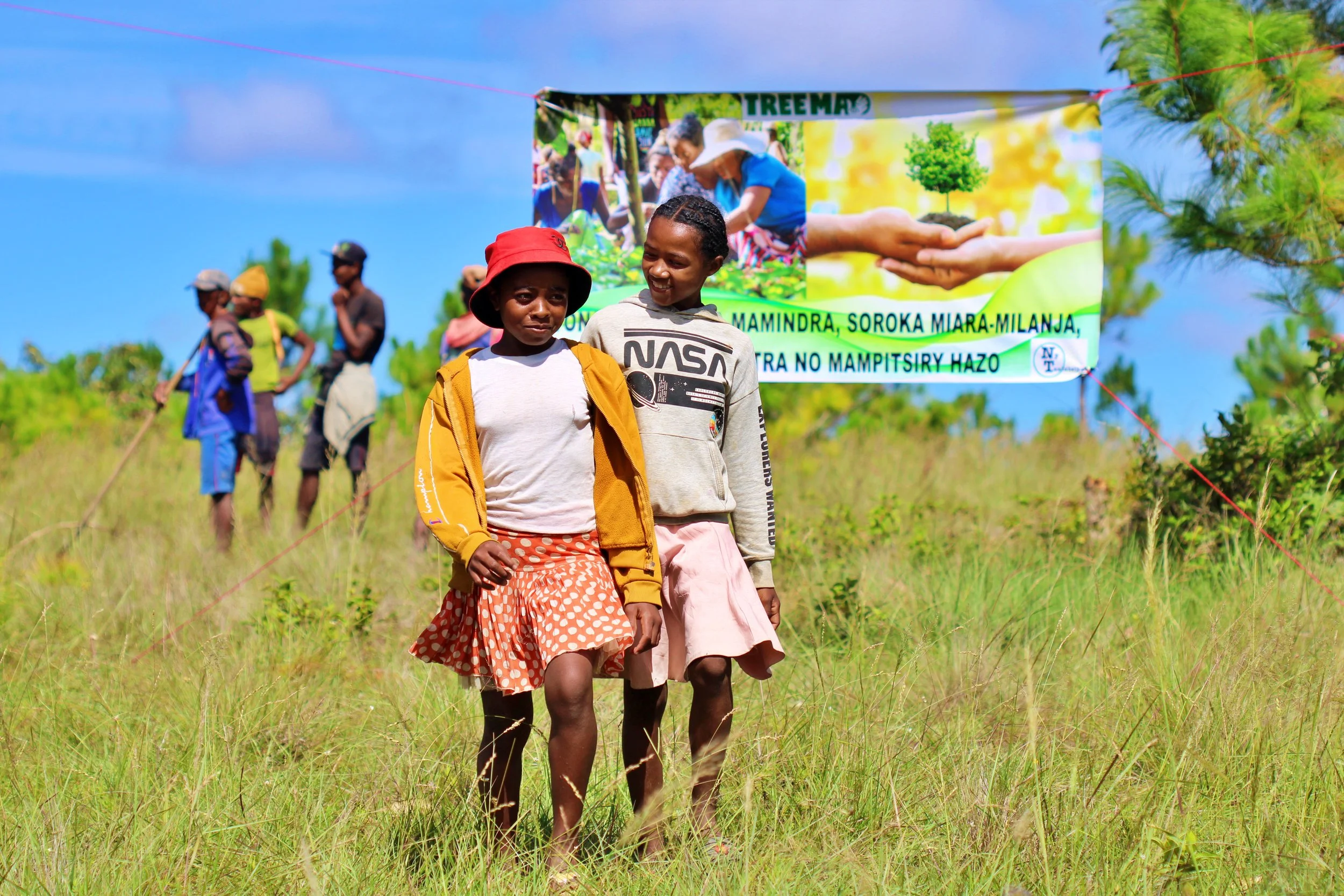

Millions of trees. Thousands of lives.
The right trees, for the right reasons, in the right places
In rural Madagascar, trees are central to daily life. Families rely on them for firewood, construction, fruit, fodder, fencing, medicines and income. They protect watersheds and wildlife, stabilise soils, and help regulate the increasingly unpredictable climate.
But when people depend on forest resources for survival, and no sustainable alternatives exist, the pressure on these precious ecosystems becomes immense.
TreeMad exists to change that relationship — for trees to grow and be protected long-term, they must also directly benefit the people who care for them and by supporting communities to grow the right trees, for the right reasons, in the right places, we can strengthen livelihoods and protect forest habitats long into the future.
Growing TreeMad
Together with our partner communities, we have grown more than
2 million trees across our conservation and agricultural work.
And over the past years, one thing has become unmistakably clear:
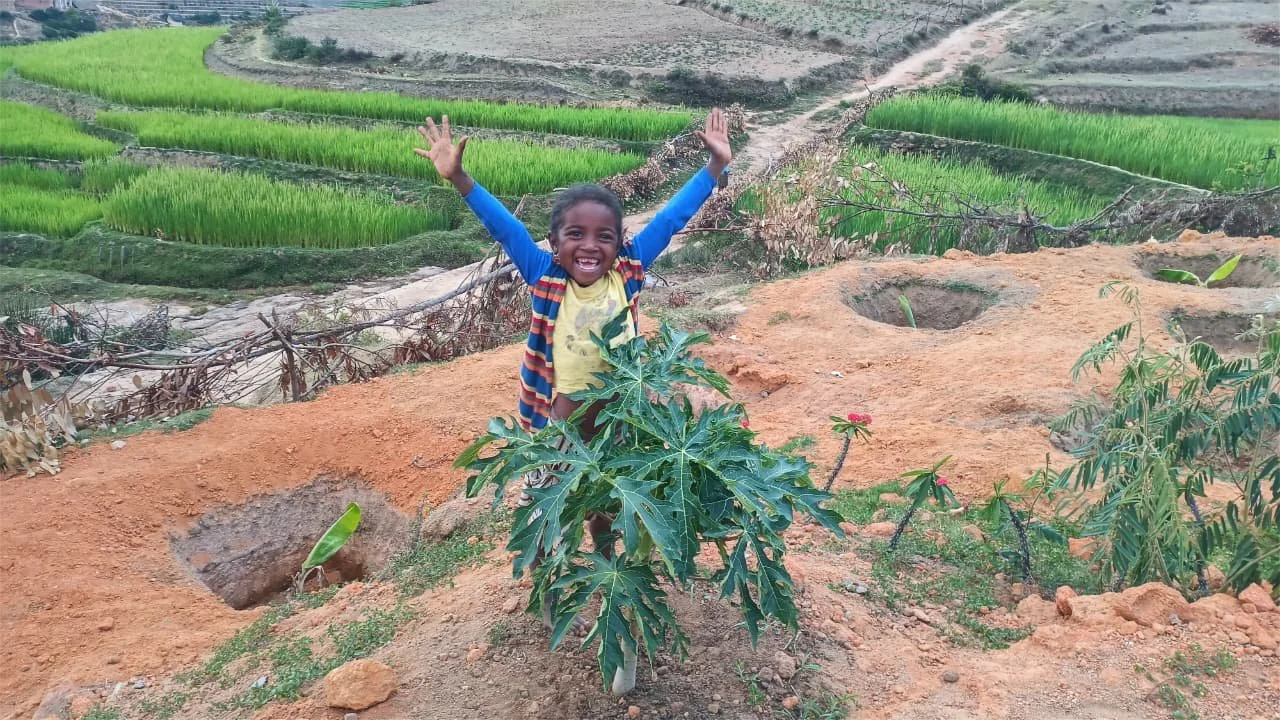
people want to plant — to grow more trees, try new approaches and restore their land. TreeMad is our response to that readiness: a programme shaped by those who are eager to act and designed to strengthen the momentum already alive in the communities living in and around the COFAV rainforest corridor.
TreeMad now brings together multiple new community-managed nurseries, dedicated planting sites, improved training and a much deeper level of community involvement and leadership. Together we raise awareness, strengthen skills and grow a carefully selected mix of species where they are needed most and have the best chance of continued care and survival.
TreeMad Stages
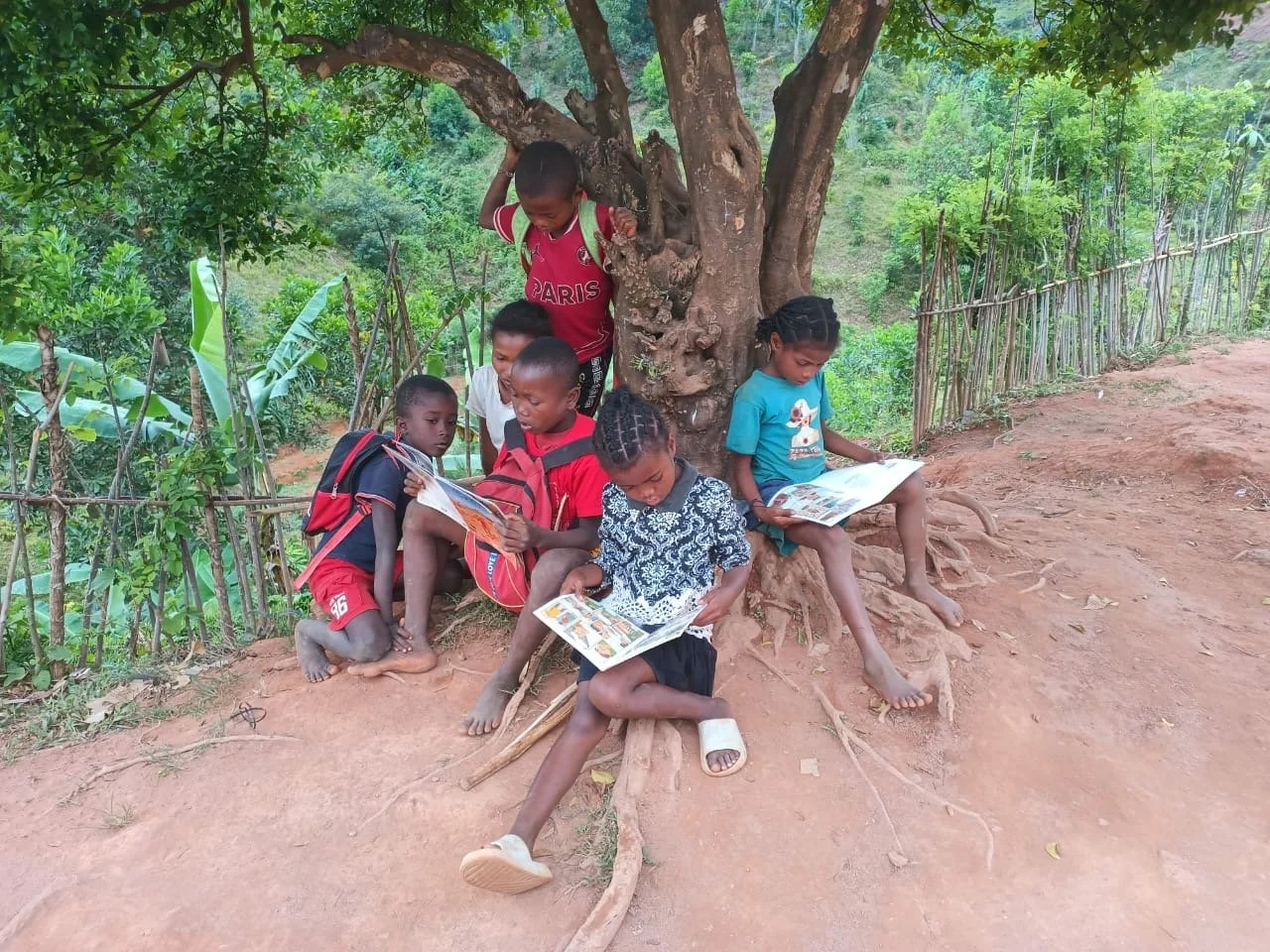
First, our team meets with community leaders and local authorities, women’s groups, teachers and community forest managers (VOI’s) to choose the right sites, agree on responsibilities and make sure the work reflects the community’s priorities.
From the very beginning, our partner communities guide the direction of TreeMad.
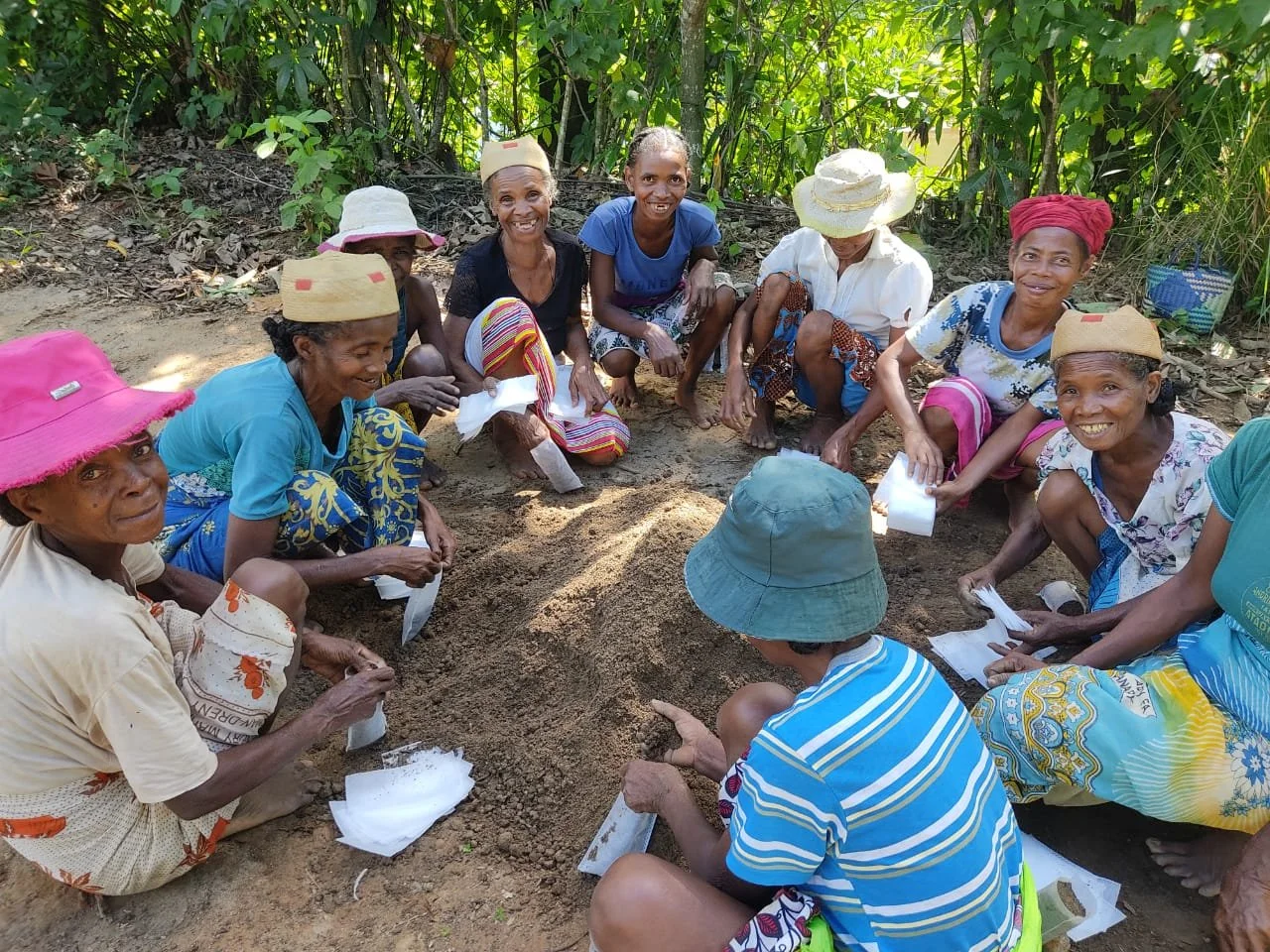
Before any planting begins, everyone involved takes part in practical training — from seedling production and composting to soil preparation, to planting and growing techniques.
-
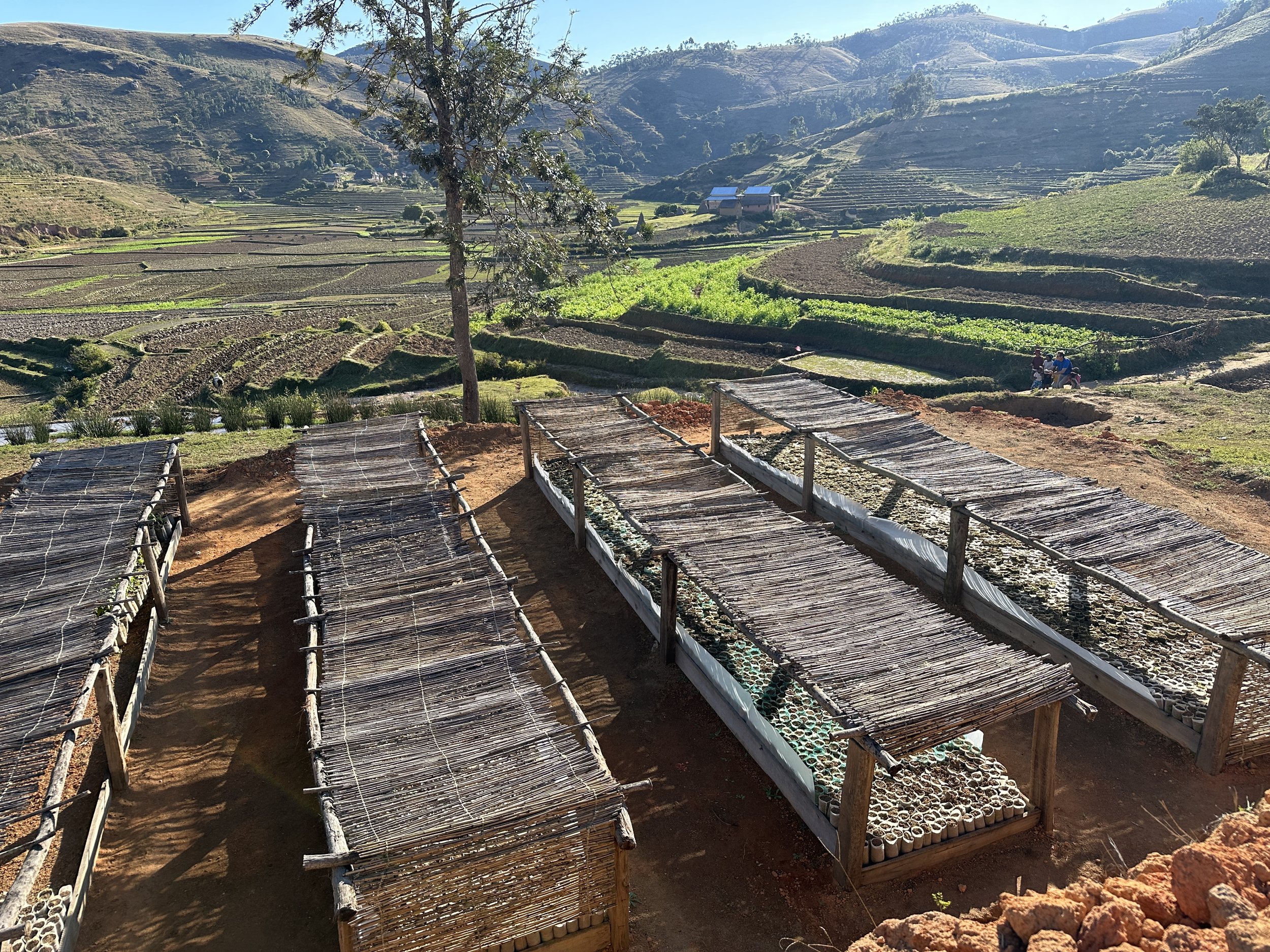
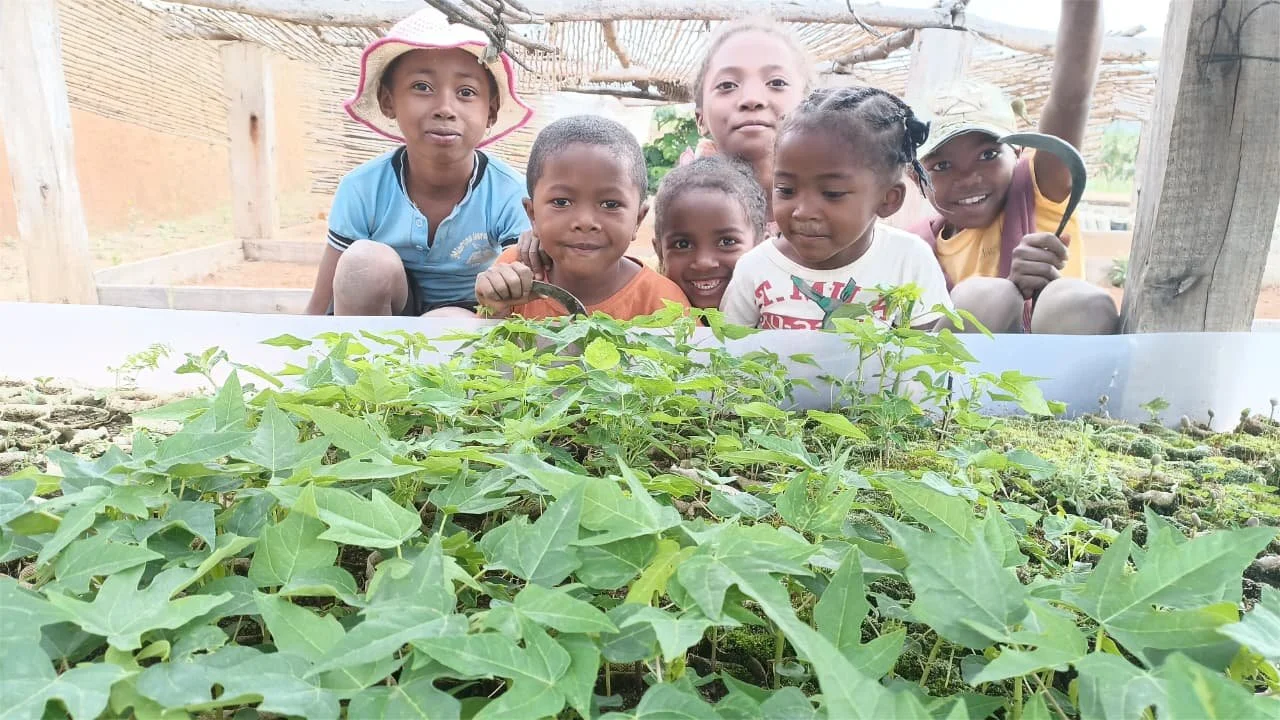
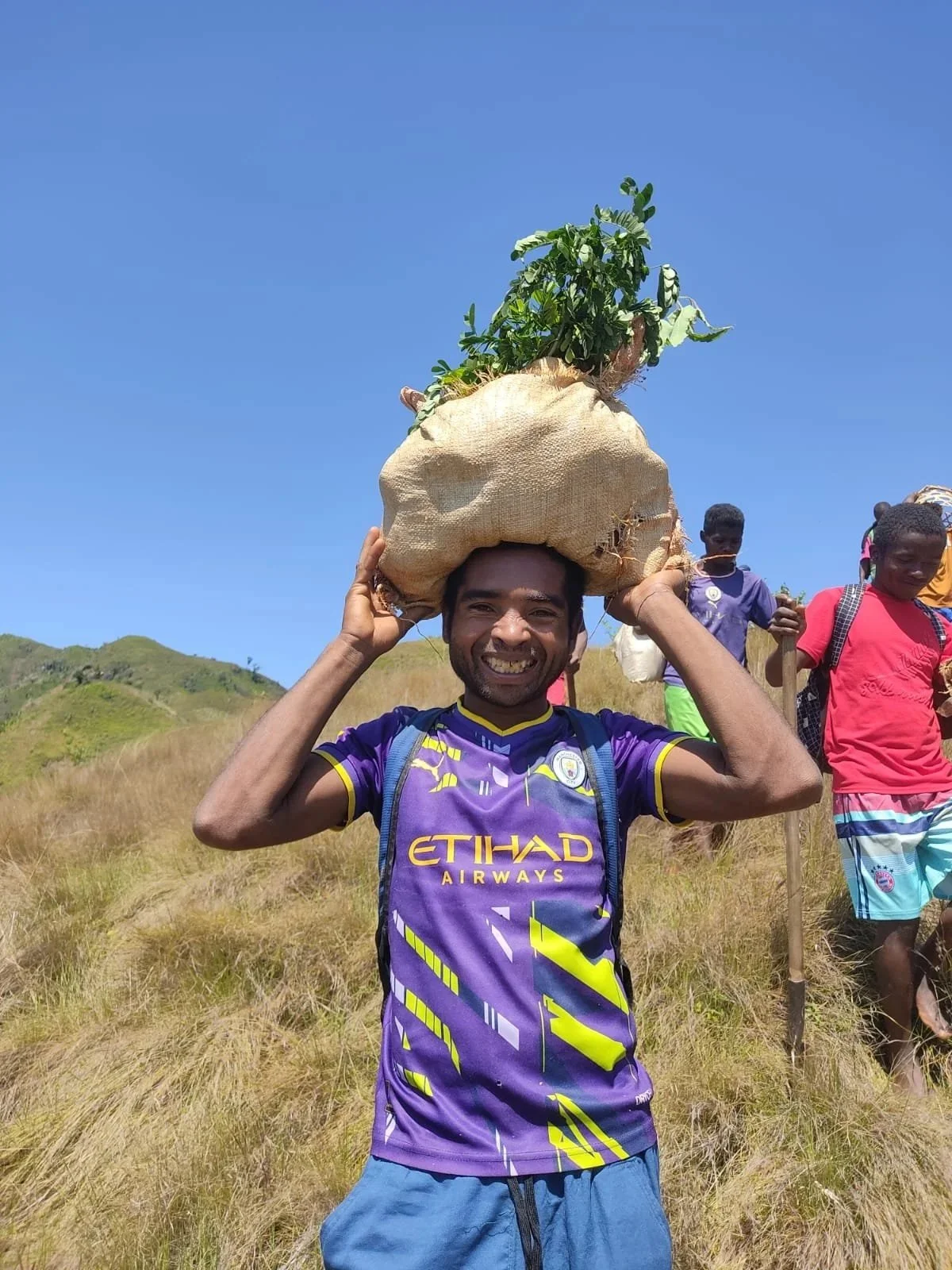
Community-managed tree nurseries are at the heart of TreeMad. They are where seedlings are raised and where community members of all ages can engage directly with the tree growing process. In our TreeMad nurseries we grow a wide range of saplings: fruit trees for food, income-generating species, utility wood and fast-growing firewood alternatives, as well as exotic and native forest trees that help restore wildlife habitats and stabilise soil, climate and water levels. Here we grow the beginnings of tomorrows forests, together.
-
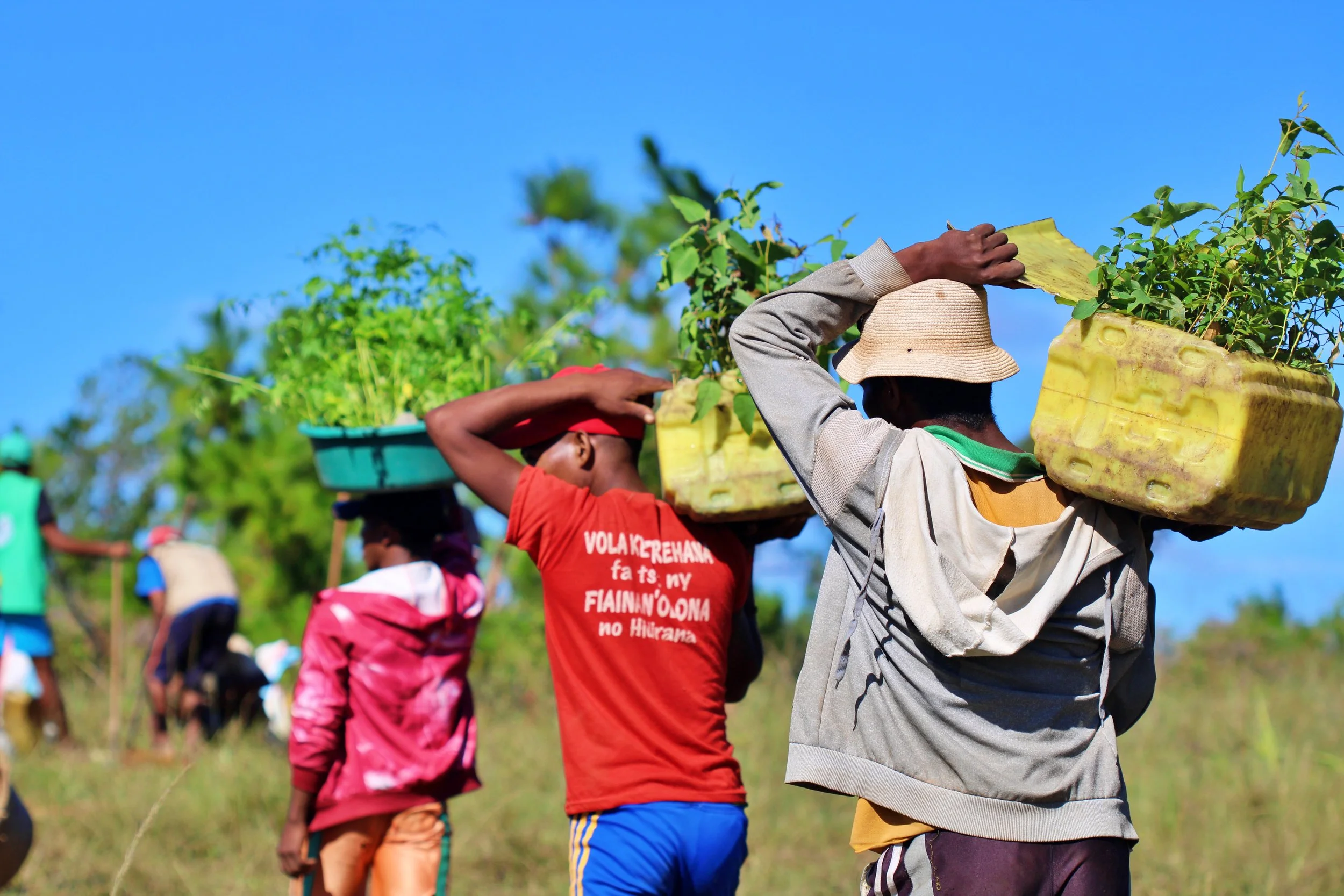
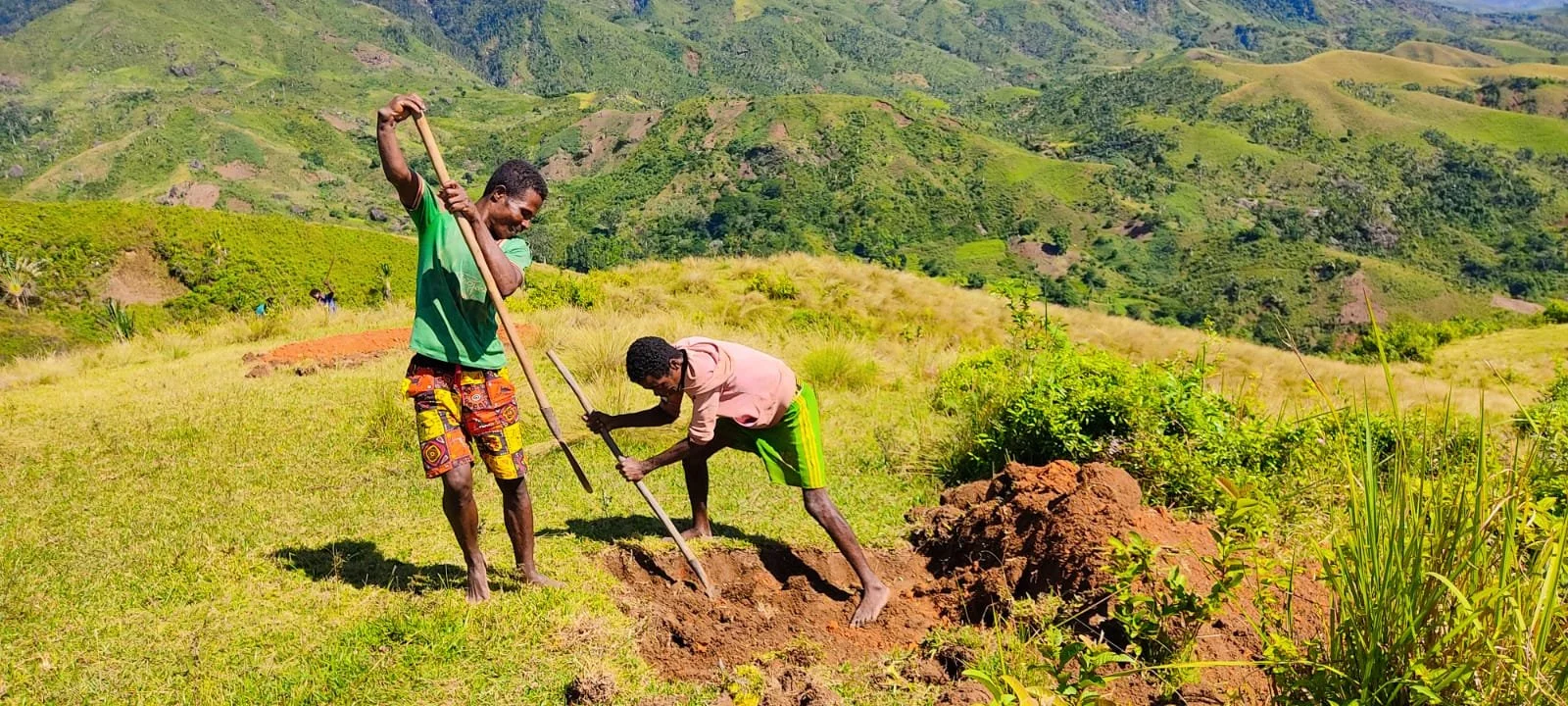
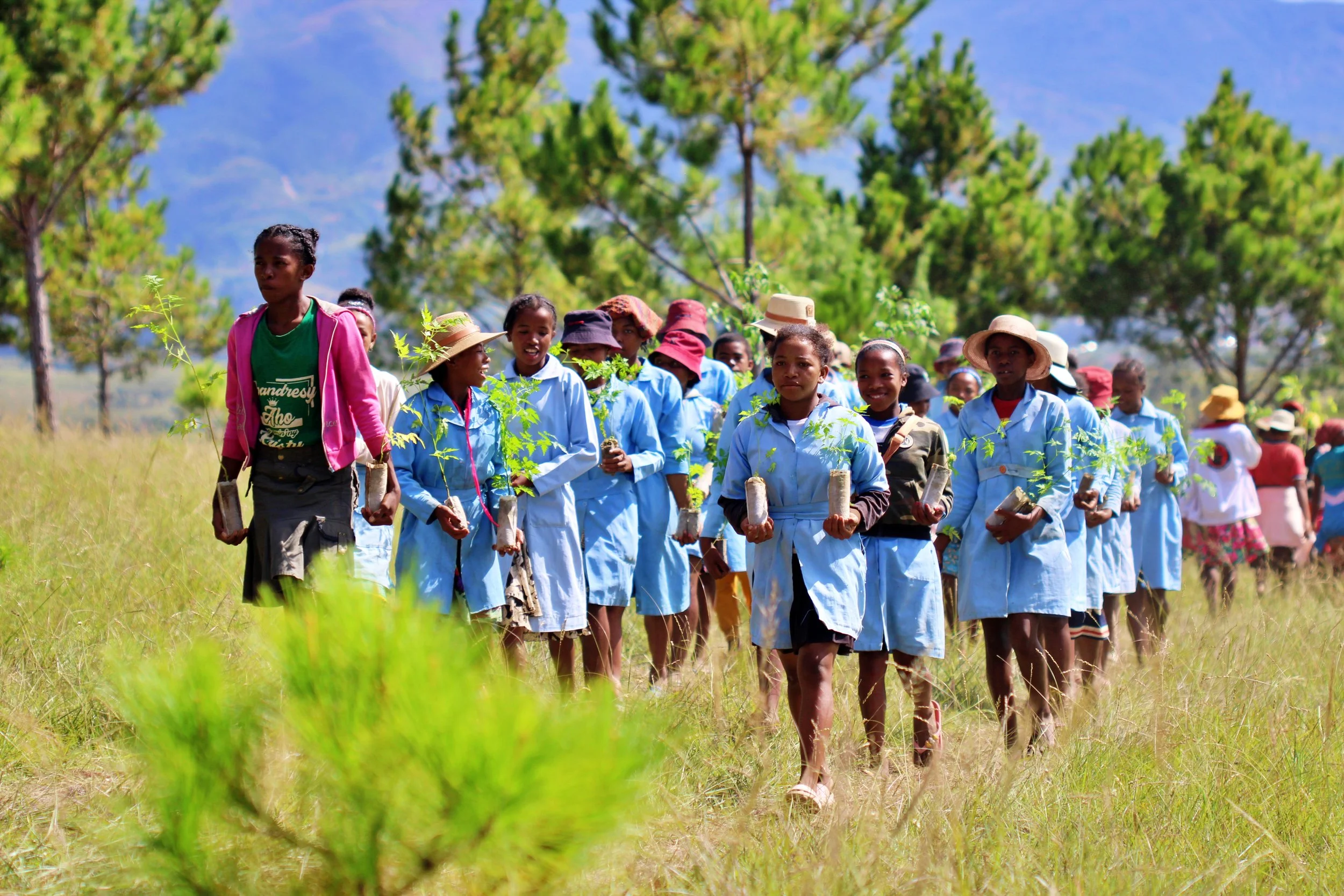
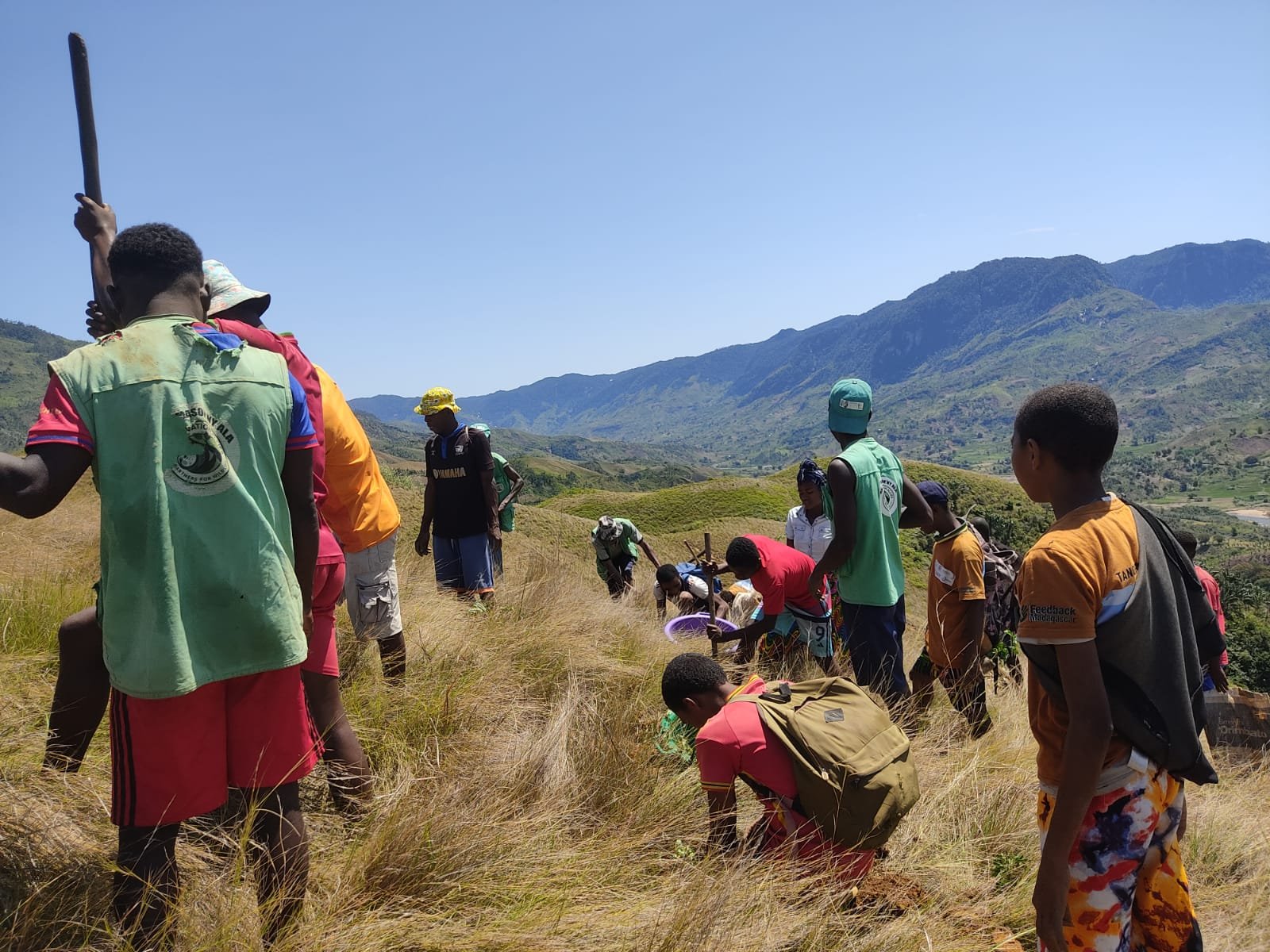
When the seedlings are ready, community members prepare the land together, establish firebreaks and organise planting days. VOIs and community volunteers care for the young trees through their vulnerable early months, monitoring survival and keeping the sites protected. The trees are planted in places where they serve real purpose and have the best chance to thrive: around homes, schools and health centres, on agroforestry plots and dedicated reforestation sites in and around the rainforest.
-
TreeMad is as much about technical skills and tangible change as it is about awareness, learning and shared inspiration. We are setting out to strengthen understanding through films, festivals and music, as well as art, local media and educational videos. Tree growing becomes something people can see and recognise in their everyday surroundings: in town, at the market, around homes, schools and health centres, along footpaths and all kinds of other shared spaces. As this work expands, these moments of visibility and learning help build motivation and draw more people into this tree growing movement that supports both livelihoods and Madagascar’s precious forest habitats.
Types of Trees We Grow
-
Mango (Mangifera indica)
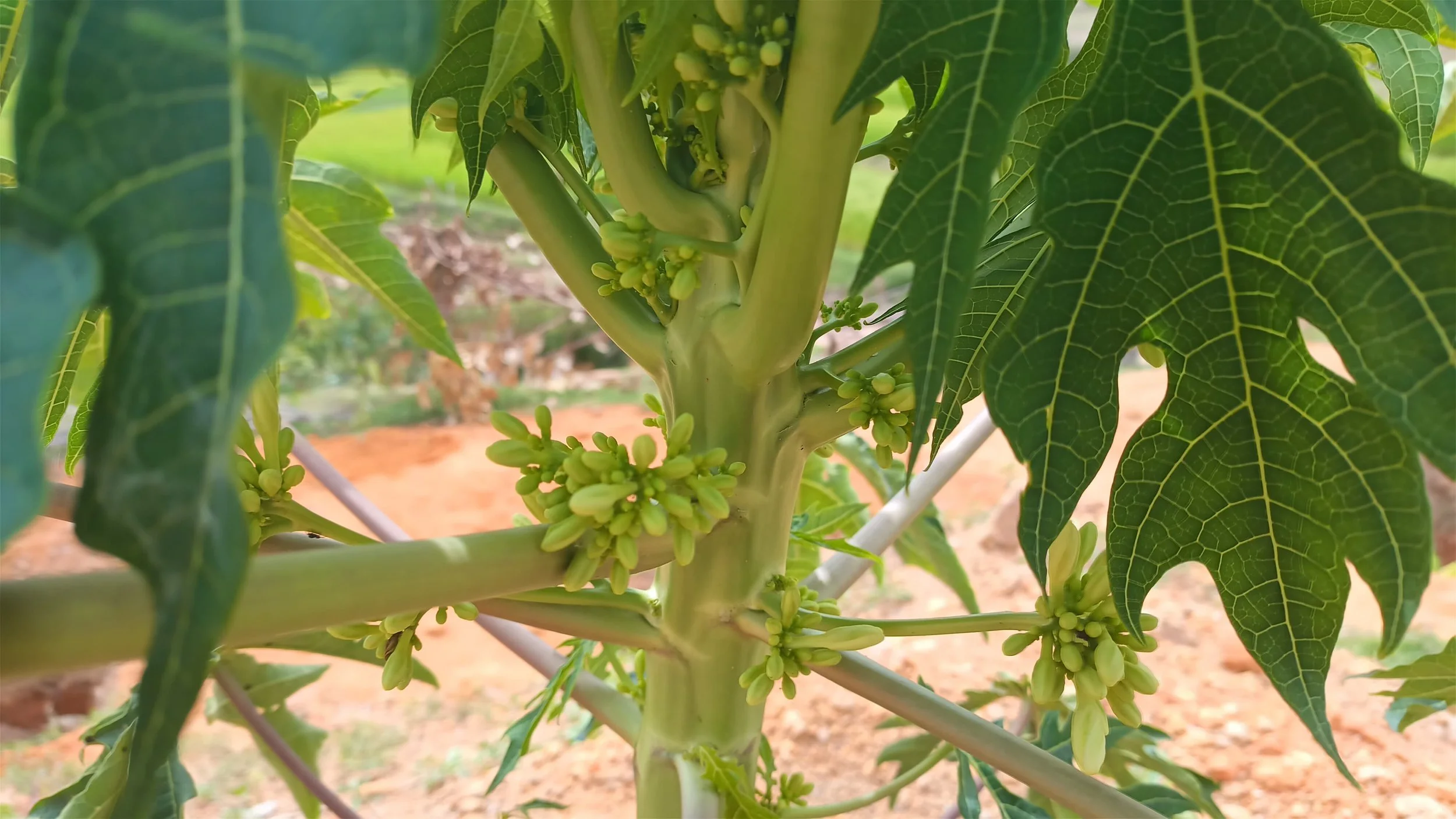
Papaya (Carica papaya)
Banana (Musa spp.)
Pineapple (Ananas comosus)
Soursop (Annona muricata)
Guava (Psidium guajava)
Avocado (Persea americana)
Jackfruit (Artocarpus heterophyllus)
Lychee (Litchi chinensis)
Fruit trees play an important role in reforestation because they restore vegetation cover while also providing food and income for local communities. Their dense foliage improves soil fertility and limits erosion through leaf fall and deep root systems. They also promote biodiversity by attracting birds, bees, and other pollinators. Planting fruit trees like mango, avocado, or guava connects reforestation with sustainable economic development.
-
Vanilla (Vanilla planifolia) - a vine to be exact
Coffee (Coffea arabica, C. robusta)
Clove (Syzygium aromaticum)
Lychee (Litchi chinensis)
Ravintsara (Cinnamomum camphora)
Integrating cash crops into reforestation efforts makes it possible to combine ecological restoration with economic profitability for local communities. These crops (vanilla, coffee, clove, etc.) motivate farmers to protect reforested areas because they provide regular income. They help maintain permanent vegetative cover, which reduces erosion and improves soil quality. Ultimately, they support sustainable reforestation, where agricultural production aligns with conservation and responsible forest resource management.
-
Eucalyptus
Acacia
Grevillea
Albizia lebbeck
Leucaena
Exotic species such as Eucalyptus, Acacia, Grevillea, Albizia lebbeck, and Leucaena are important in reforestation because of their rapid growth and adaptability to different soil types. They allow for the quick restoration of degraded areas and provide communities with wood, charcoal, and animal fodder.
Some, like Acacia and Leucaena, also fix nitrogen and improve soil fertility.
These species help prevent soil erosion while supporting sustainable local economic activities. -
Harina
Tavolo
Marovavy
Varongy (Ocotea)
Harungana madagascariensis
Vagnana
Alina
Rehiaka
Voambona
These native species contribute to the natural ecological restoration of forests, as they are well adapted to the local climate, soil, and fauna.
They enhance biodiversity by providing shelter and food for animals, pollinating insects, and endemic birds. Their deep root systems protect against soil erosion and help regenerate groundwater. Using these species in reforestation ensures a stable, sustainable, and balanced forest, while preserving Madagascar’s botanical heritage.
“Feedback Madagascar’s TreeMad project is the most realistic and ambitious tree planting programme the island has ever seen.”

What We Have Already Achieved In 2025
Seedlings produced this year: 26,094
Sapling survival rate across our tree nurseries: 95%
Saplings transplanted to growing site: 79% (saplings under 20cm are retained for later planting)
Community-managed nursery beds set up: 19
Community members engaged across sites: 1,000+
What’s Next
TreeMad’s relaunch was just the beginning. In 2026 we are expanding even further: new planting cycles, native seed collection, more community-managed nurseries, and the launch of our local TreeMad campaign that brings awareness, education and creativity to the forefront.
We are building on what has already been grown — harvesting the first fruits, exploring how they contribute to the tree economy, and learning from every step to keep improving.
This year will also see TreeMad fully linked with our water work, planting 1,000 trees around the watersheds for every new borehole built. We are growing something much bigger than a programme.
Join us.