
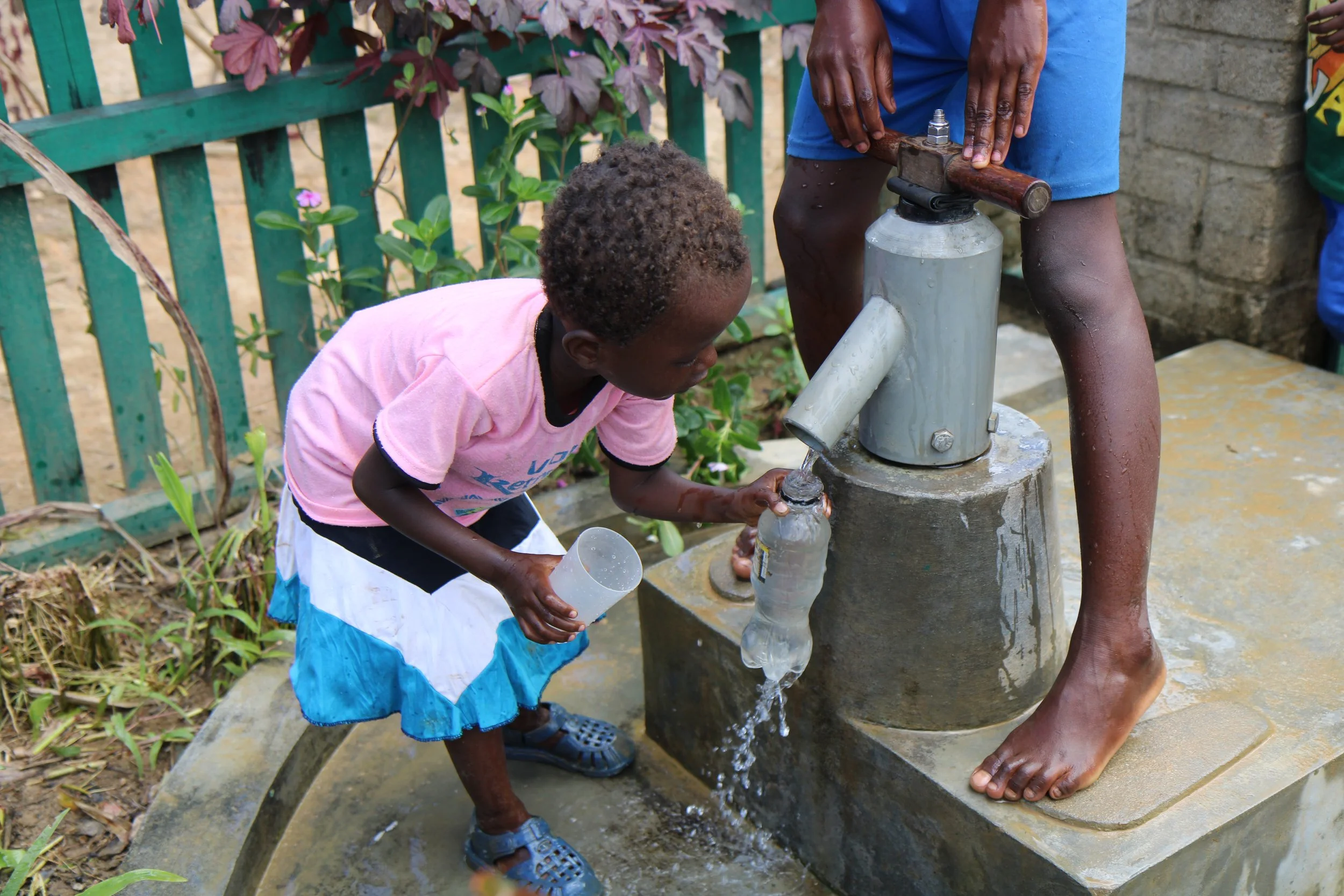
Clean water infrastructure is essential.
But on its own, it is rarely enough.
You’ve heard us say that our new, large-scale clean water initiative, funded through the Maclean Brothers’ Pacific Row, will go far beyond clean water.
That wasn’t just a nice turn of phrase. Beyond Water is the name of our pioneering, municipality-wide programme, aiming to bring reliable access to clean, safe water to the whole of Ambohimahamasina.
But what makes this programme so different? What makes it actually go beyond water?
Beyond Water pairs the most appropriate water infrastructure with a deeply collaborative process, and actively connects clean water with the wider web of our work.
Each plan, each step is co-created and co-implemented together with our partner communities. We consider the entire supply chain of water from making sure the raindrop falling onto the hillside actually infiltrates the soil, to how it is extracted, used and governed long-term.
In a nutshell: Beyond Water is not just about clean water from a tap, but everything that comes before and everything that comes after.
To understand how this works in practice, let’s take a look at the process of our first official Beyond Water borehole in Tolongoa Nord:
Coming together
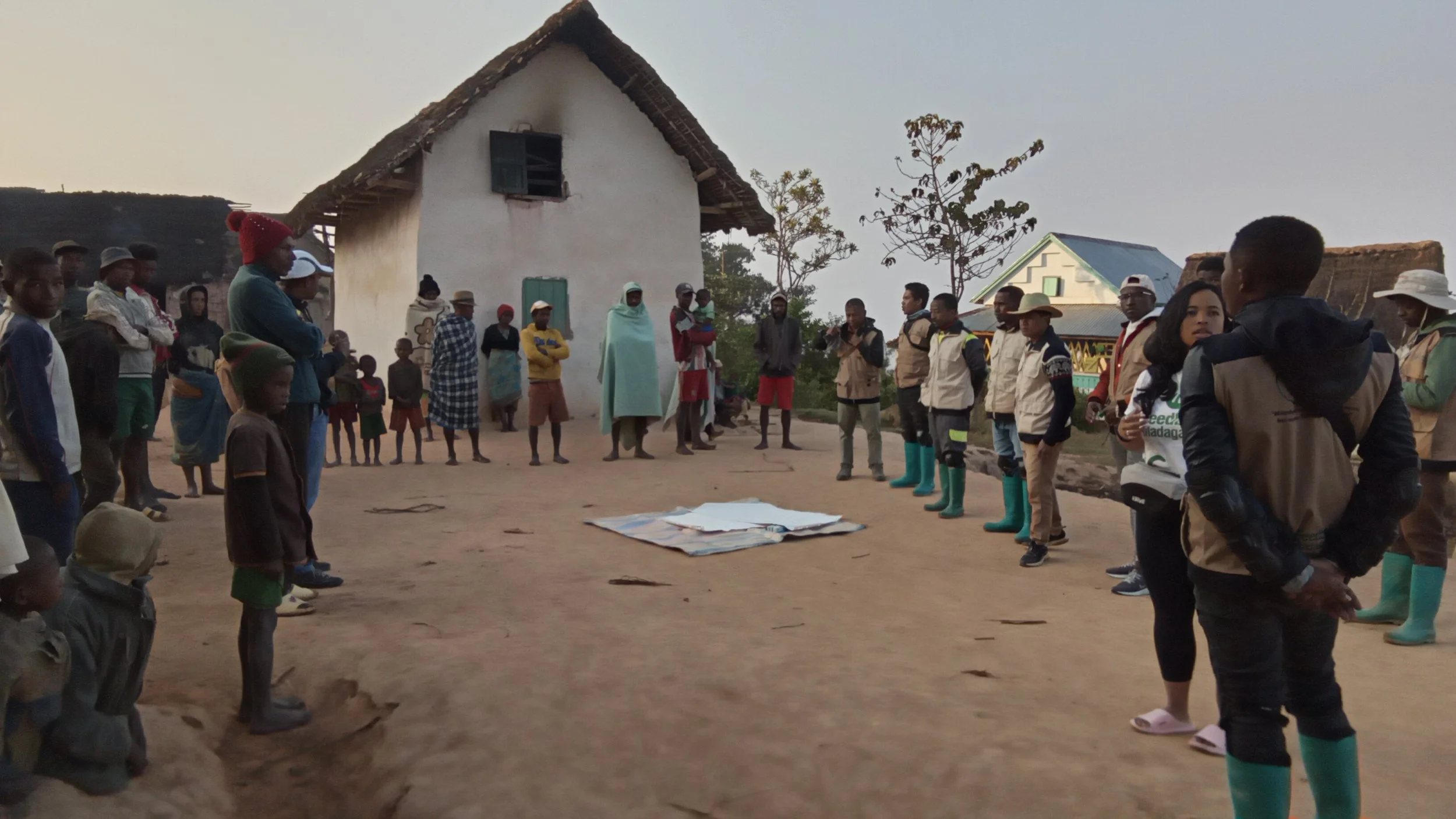
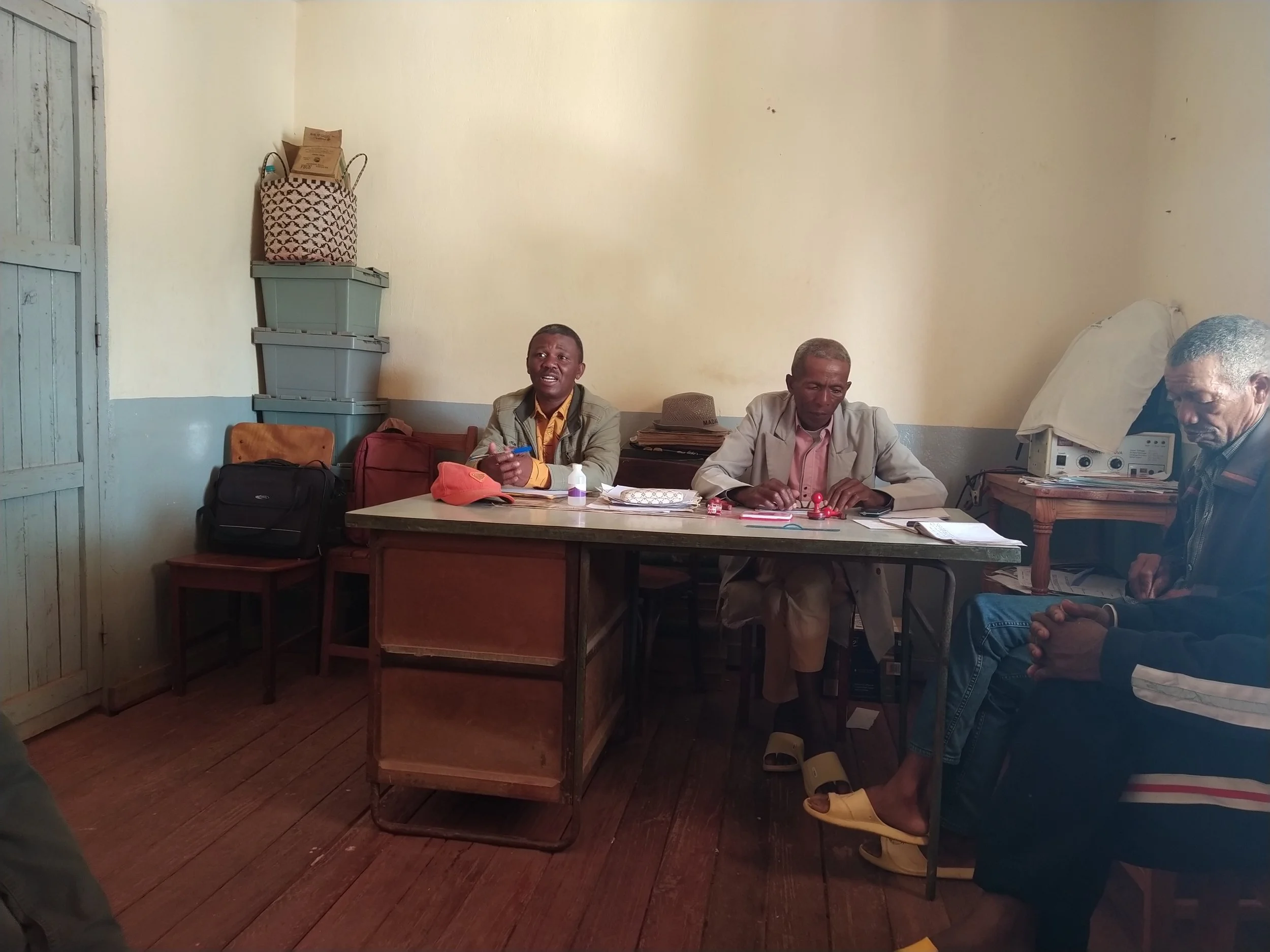
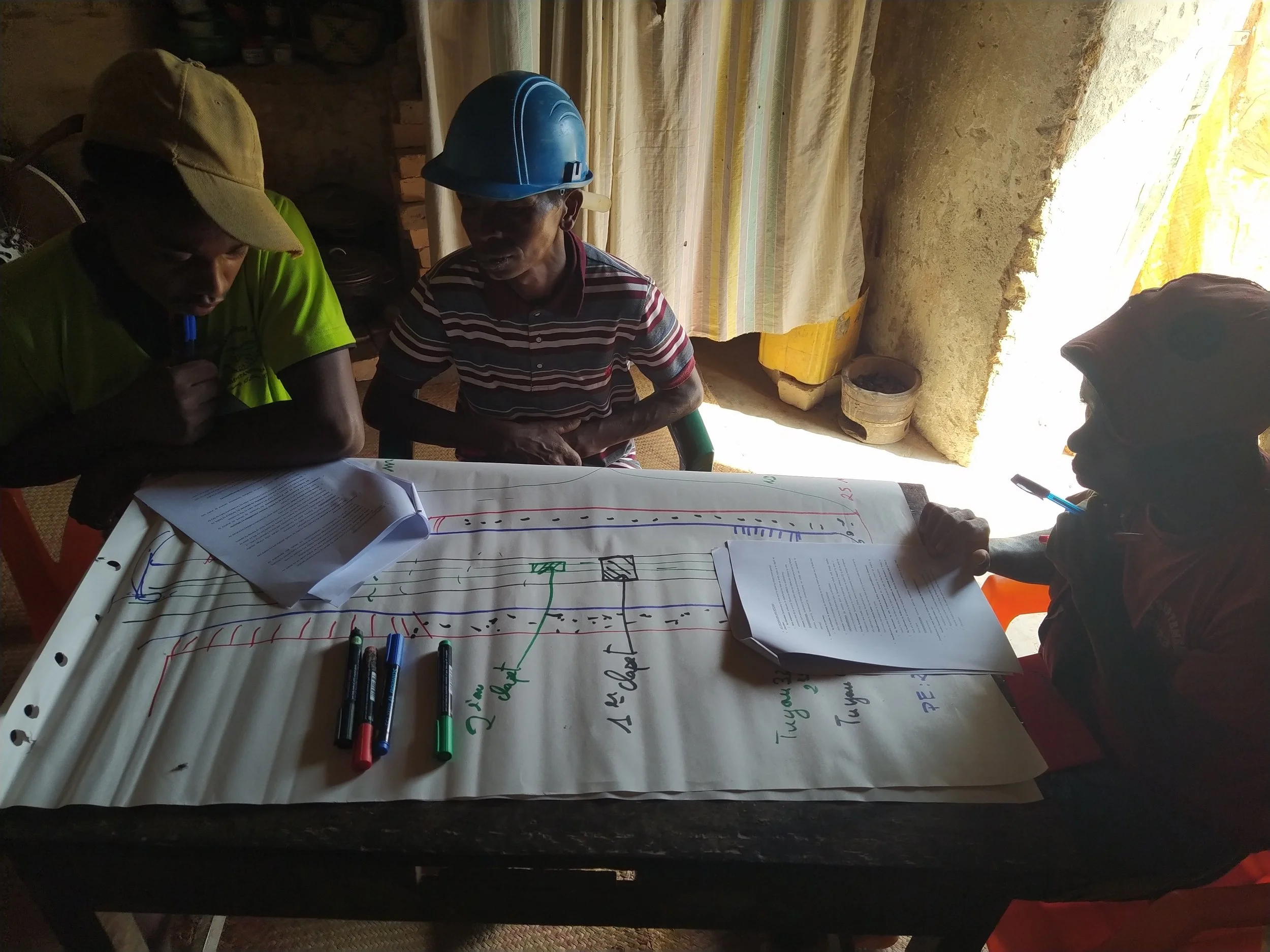
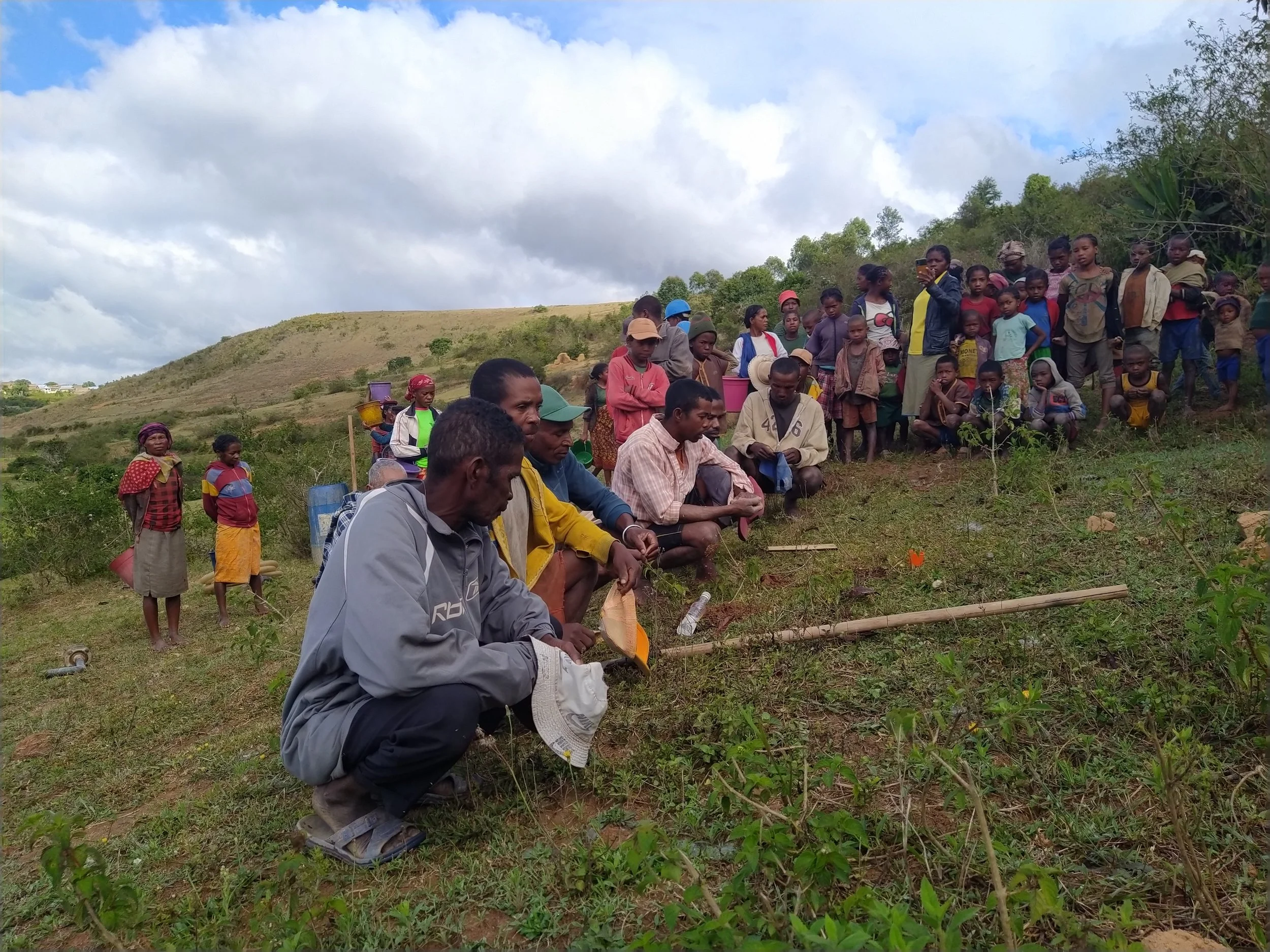
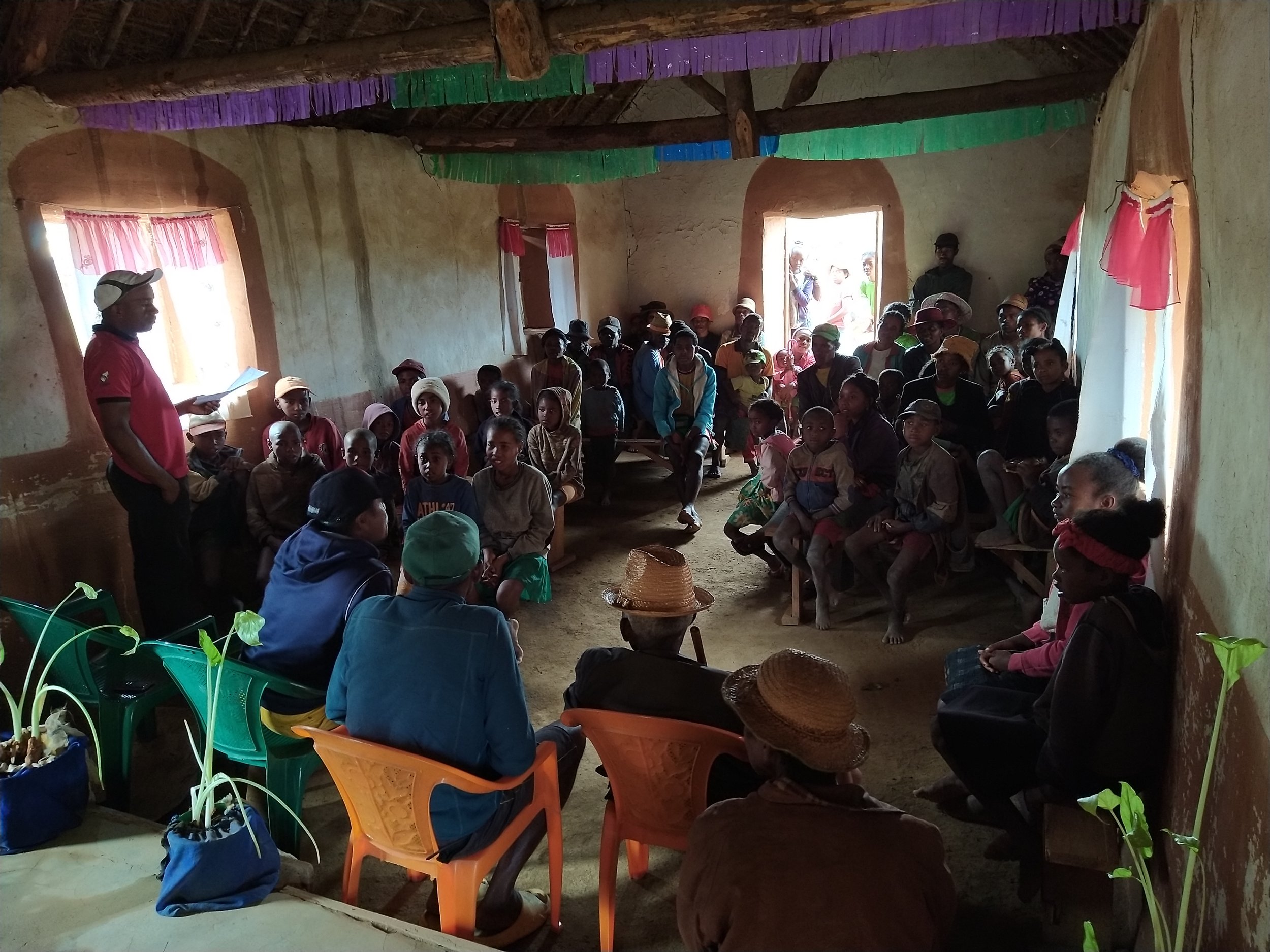
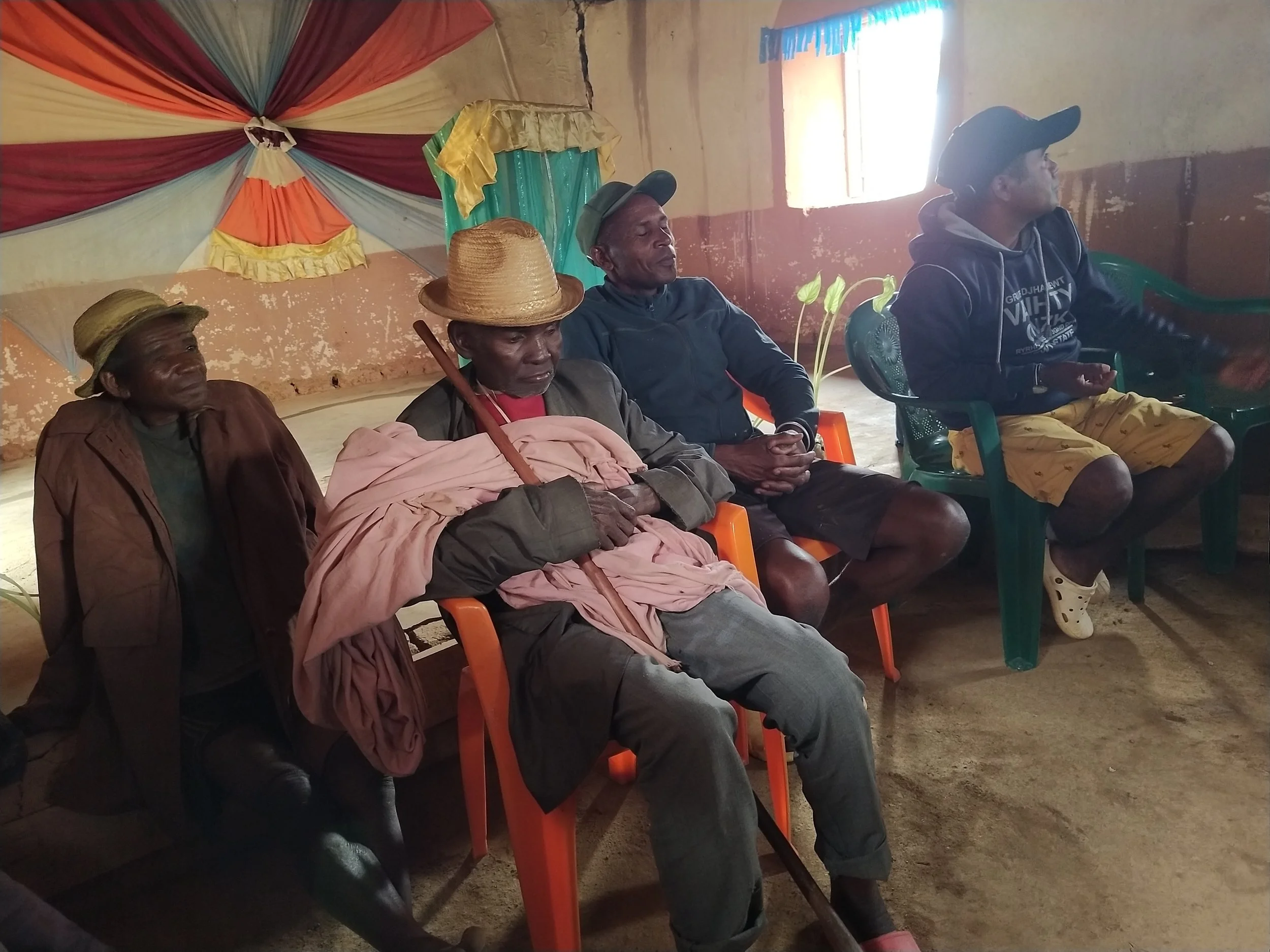
In September 2025, long before the first shovel of soil was dug out in Tolongoa Nord, we formally introduced the Beyond Water programme to the commune of Ambohimahamasina and the Regional Directorate for Water, Sanitation and Hygiene (DREAH Haute Matsiatra), and held meetings with local leaders, teachers, health representatives and community members.
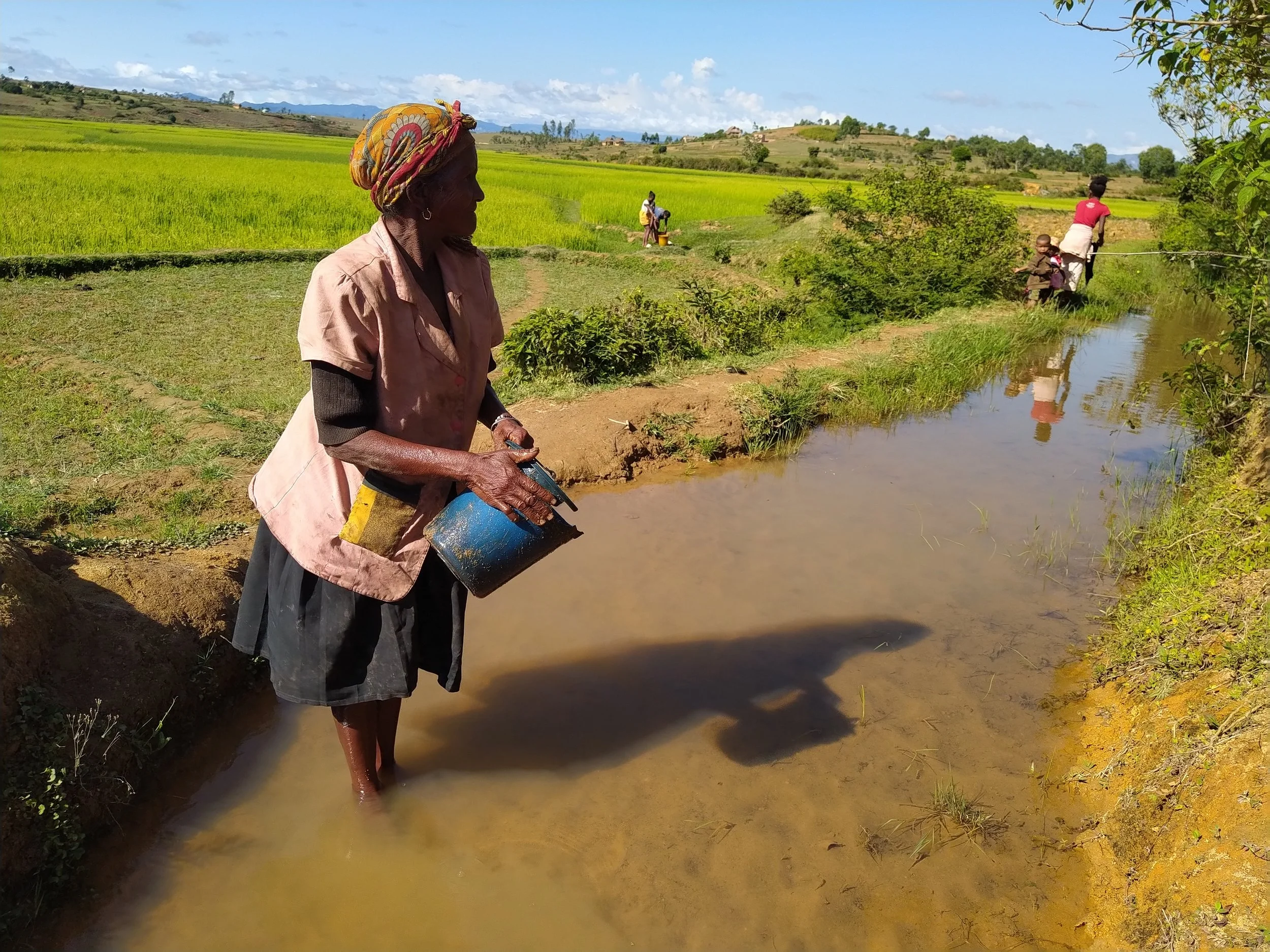
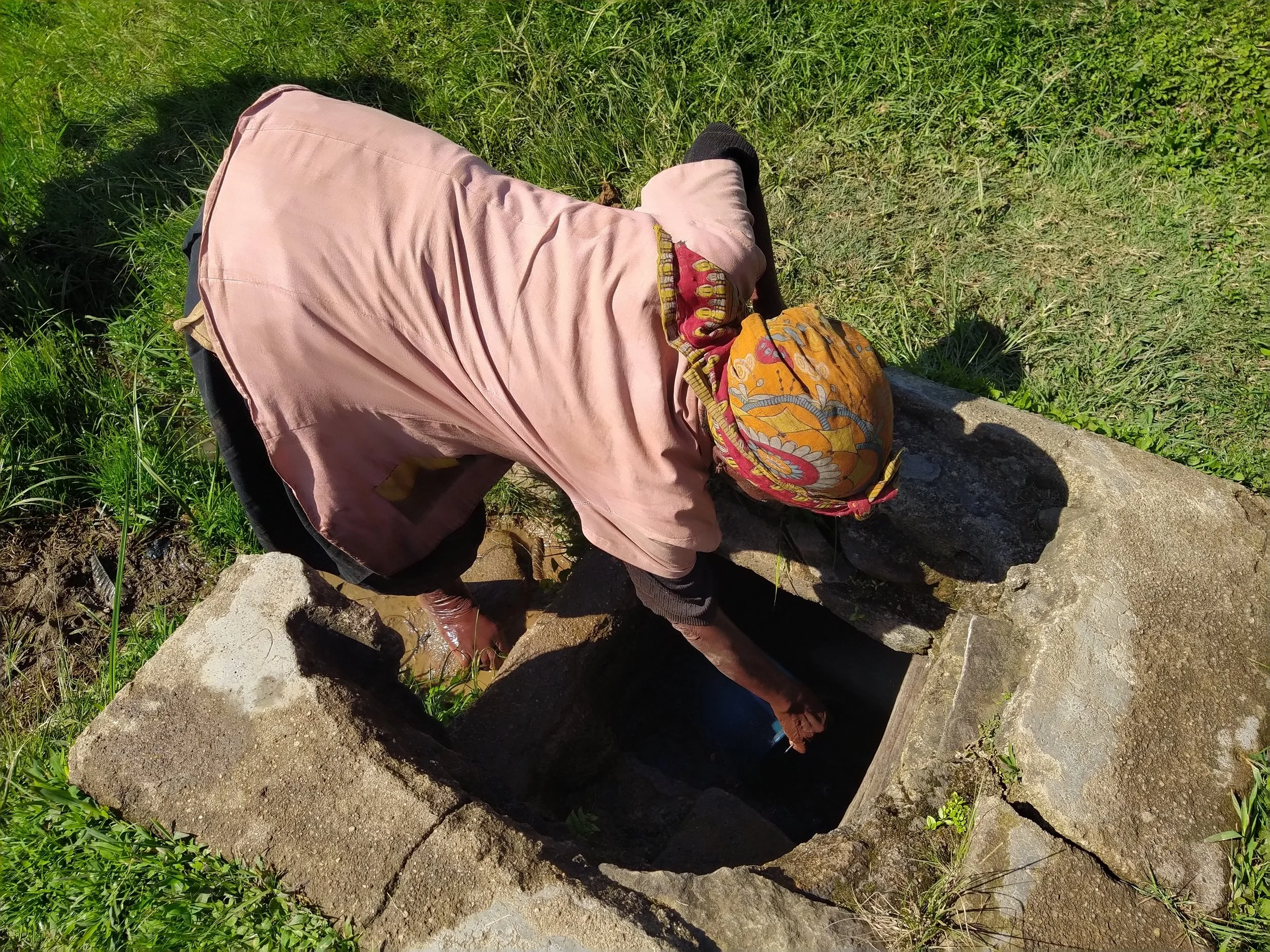
Not just to present technical plans, but to really understand the current water situation together, to explore the potential that clean water could bring, and to agree on solutions, roles and responsibilities from the outset.
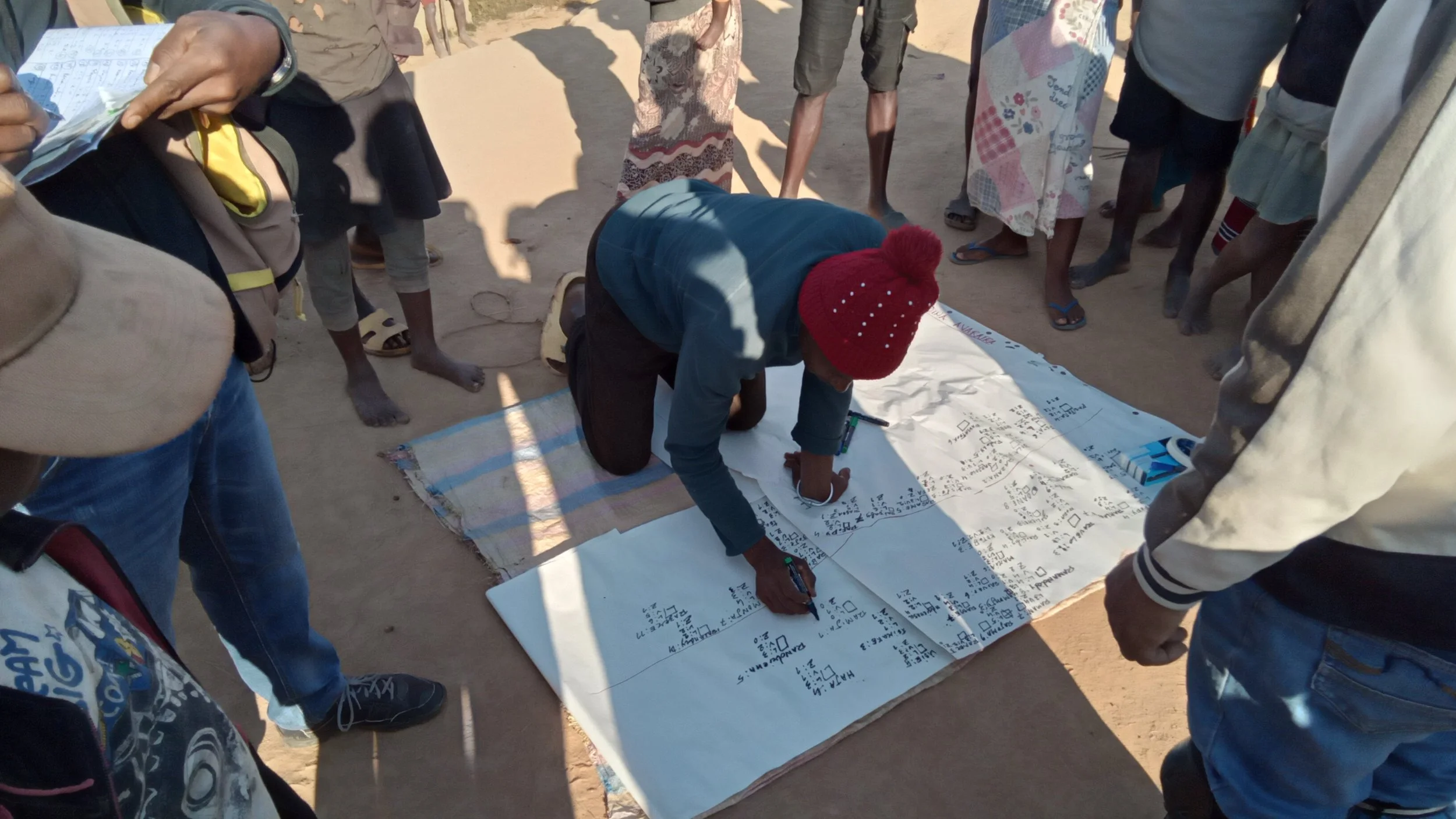
Using tools such as social and economic mapping, everybody examined their own villages in detail.
For Tolongoa Nord, this identified:
55 households
206 people
2 water points
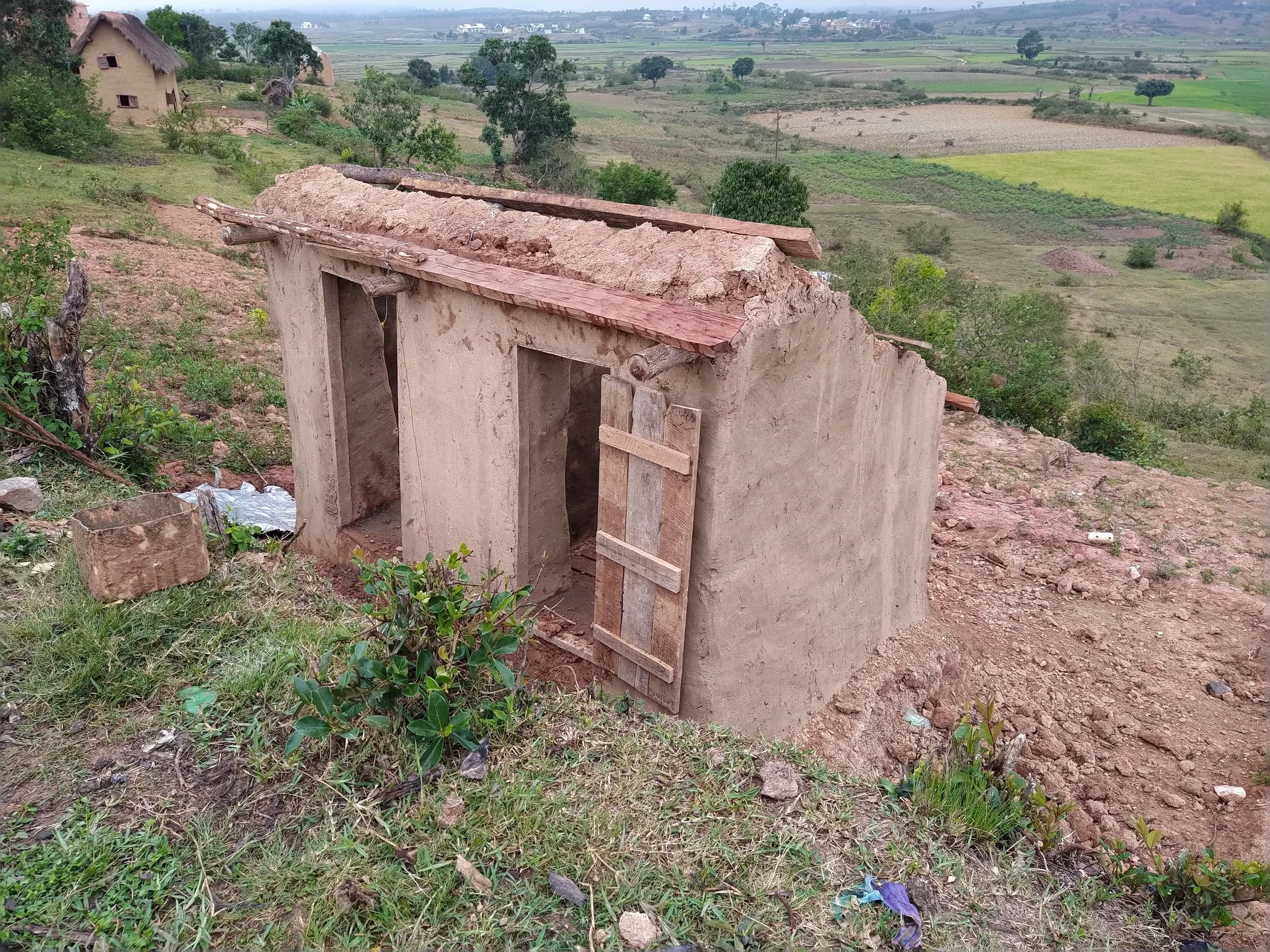
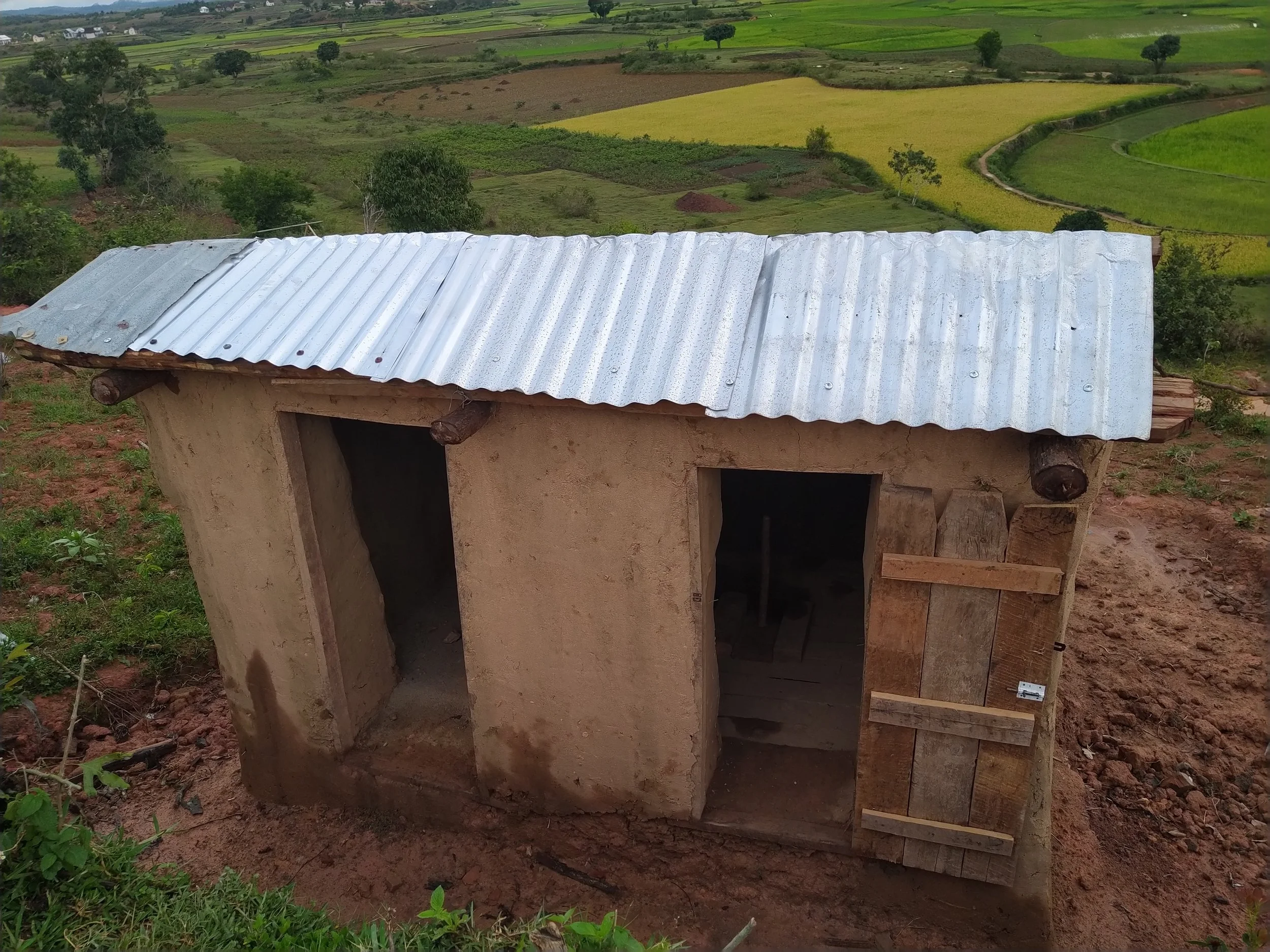
2 latrines
3 open defecation zones
The village then ranked its priorities:
Access to safe drinking water
Hydraulic infrastructure for rice irrigation
Cattle breeding and related training
Household electrification
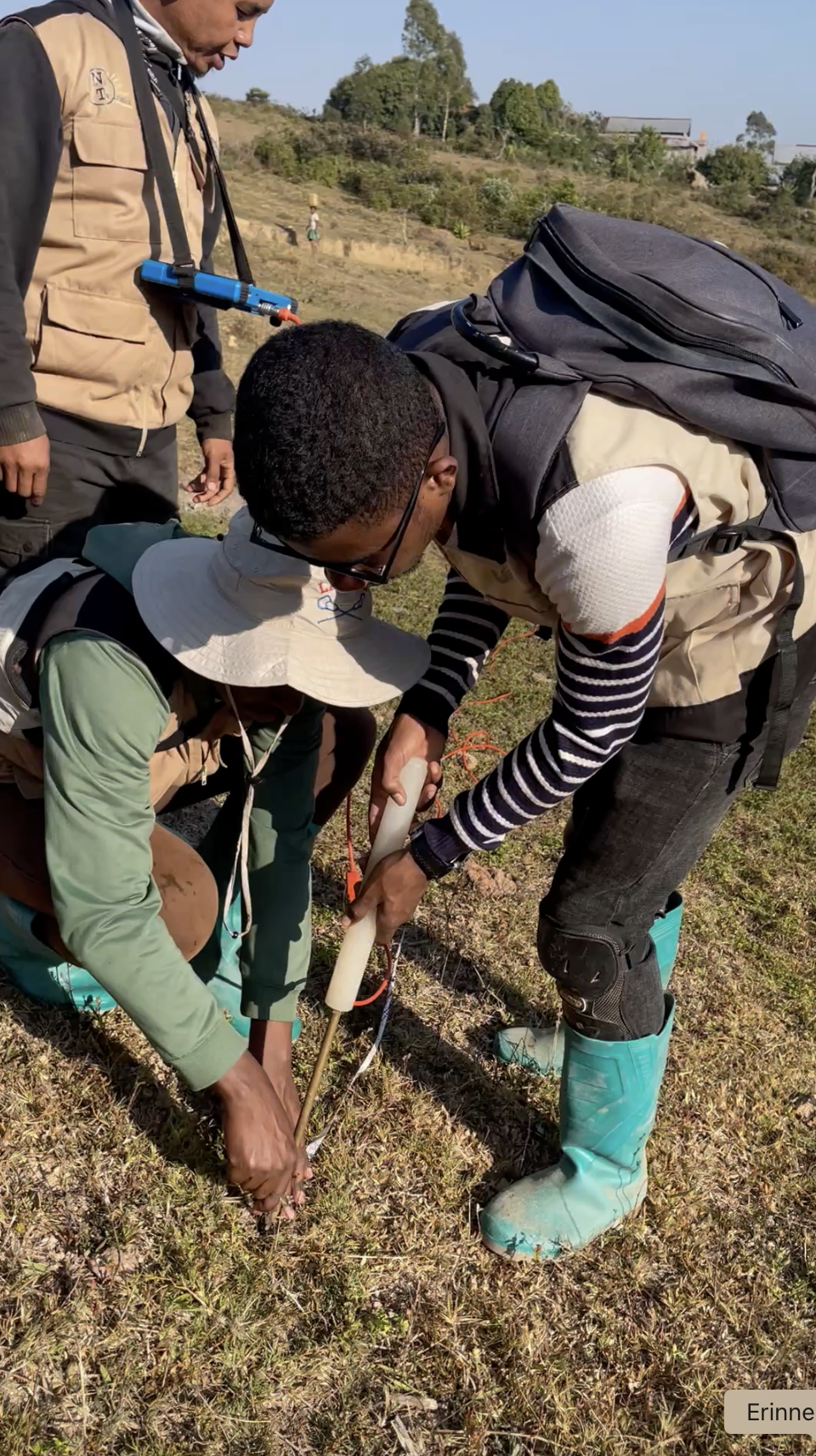
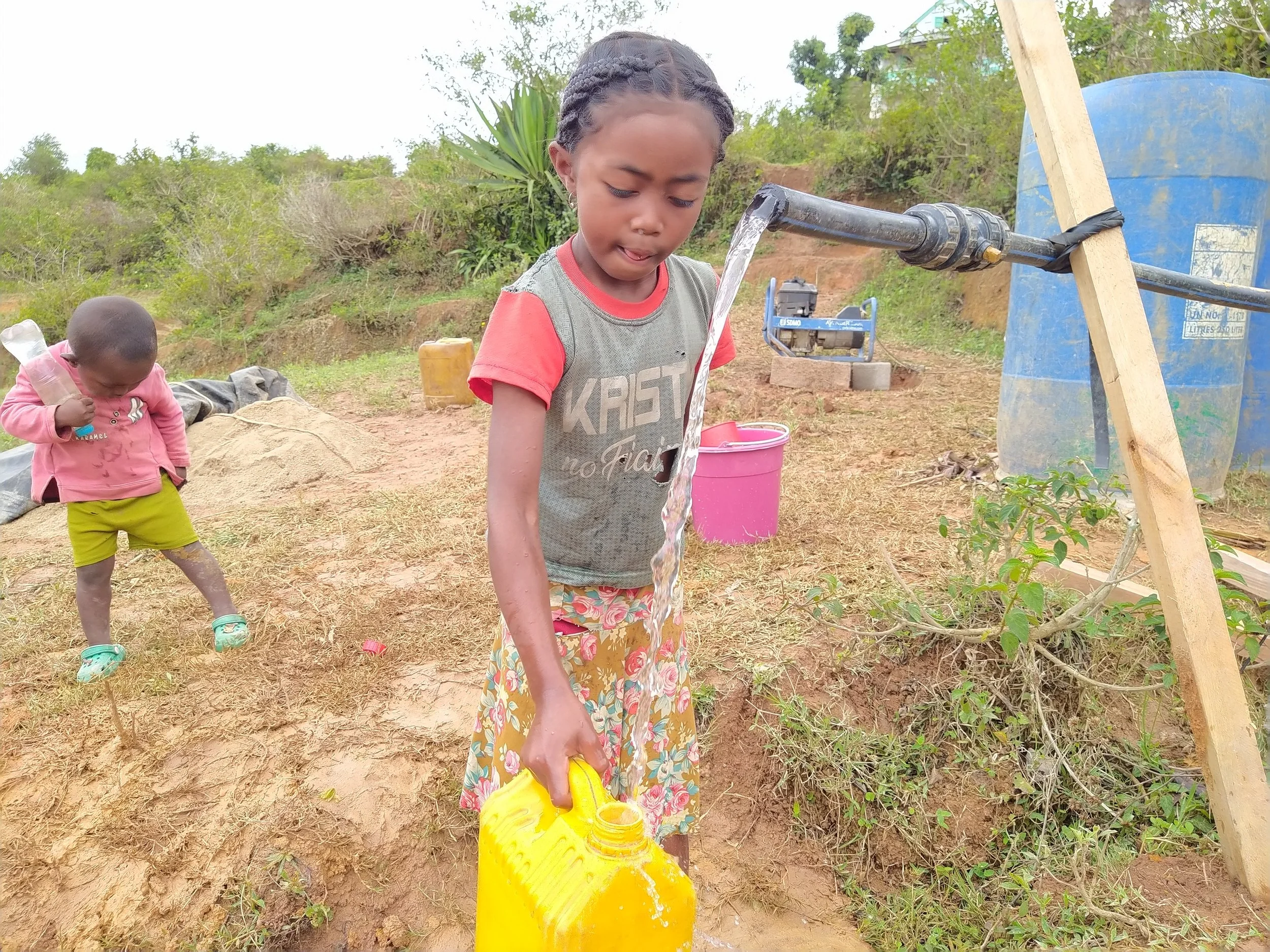
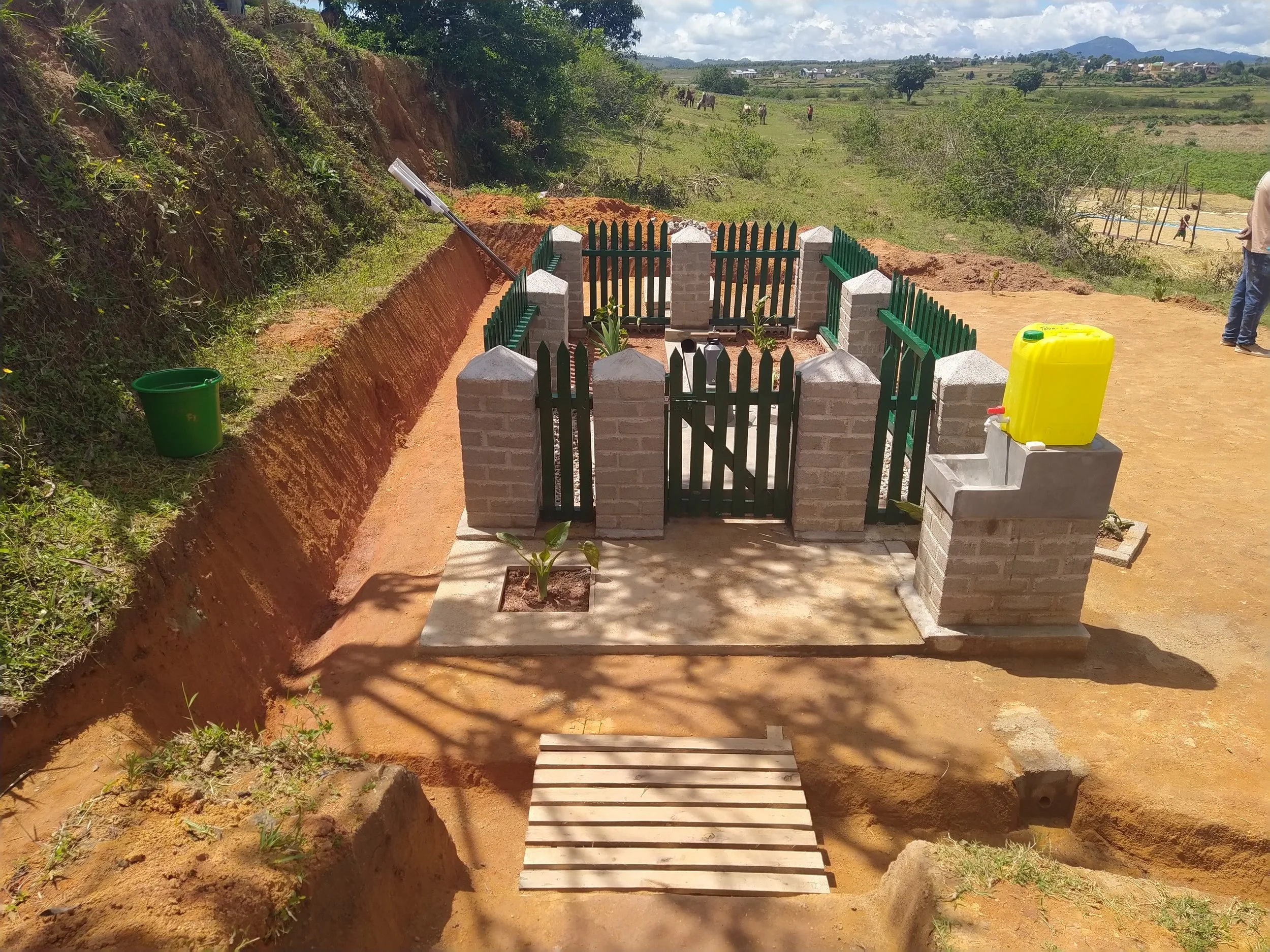
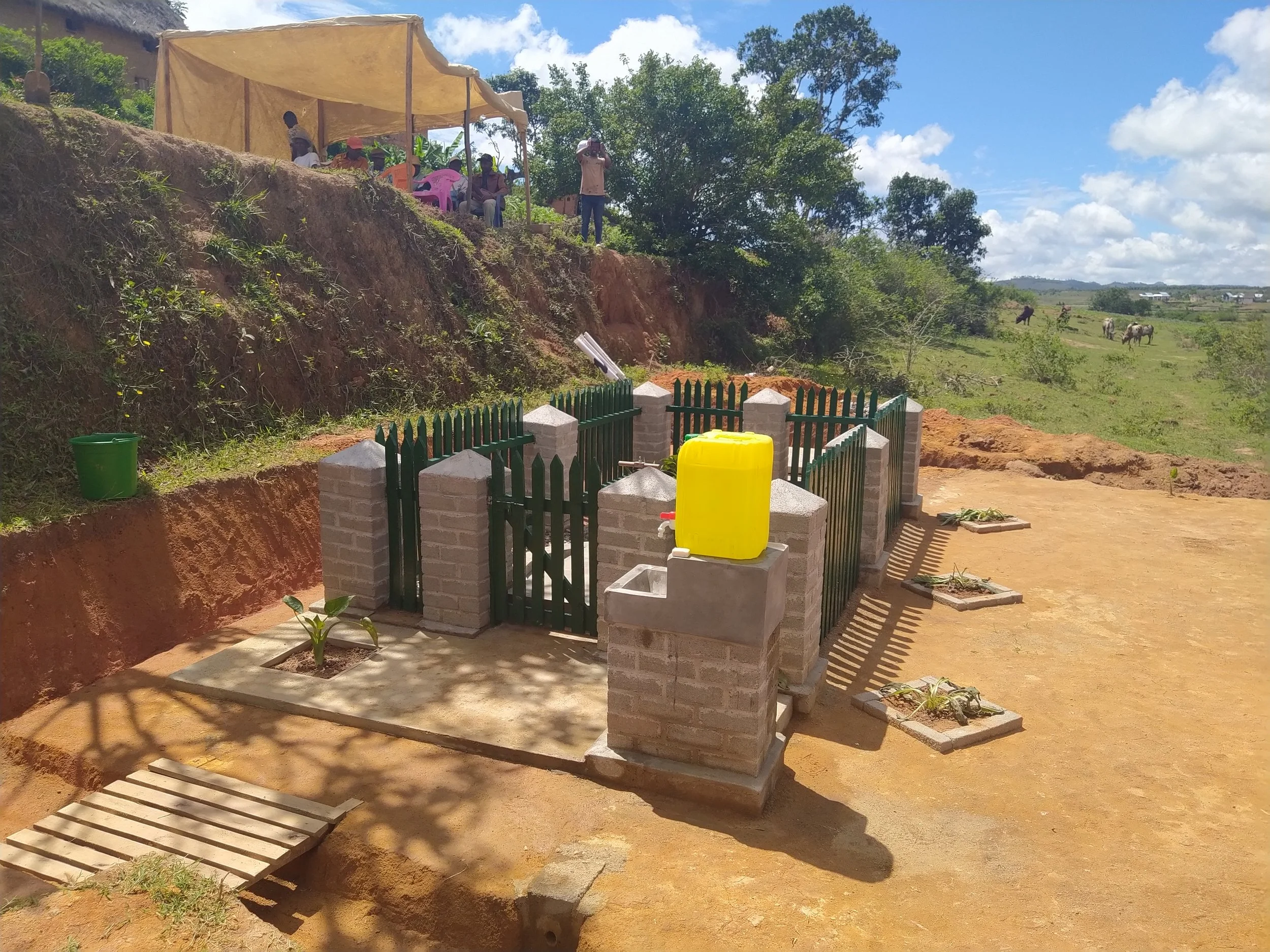
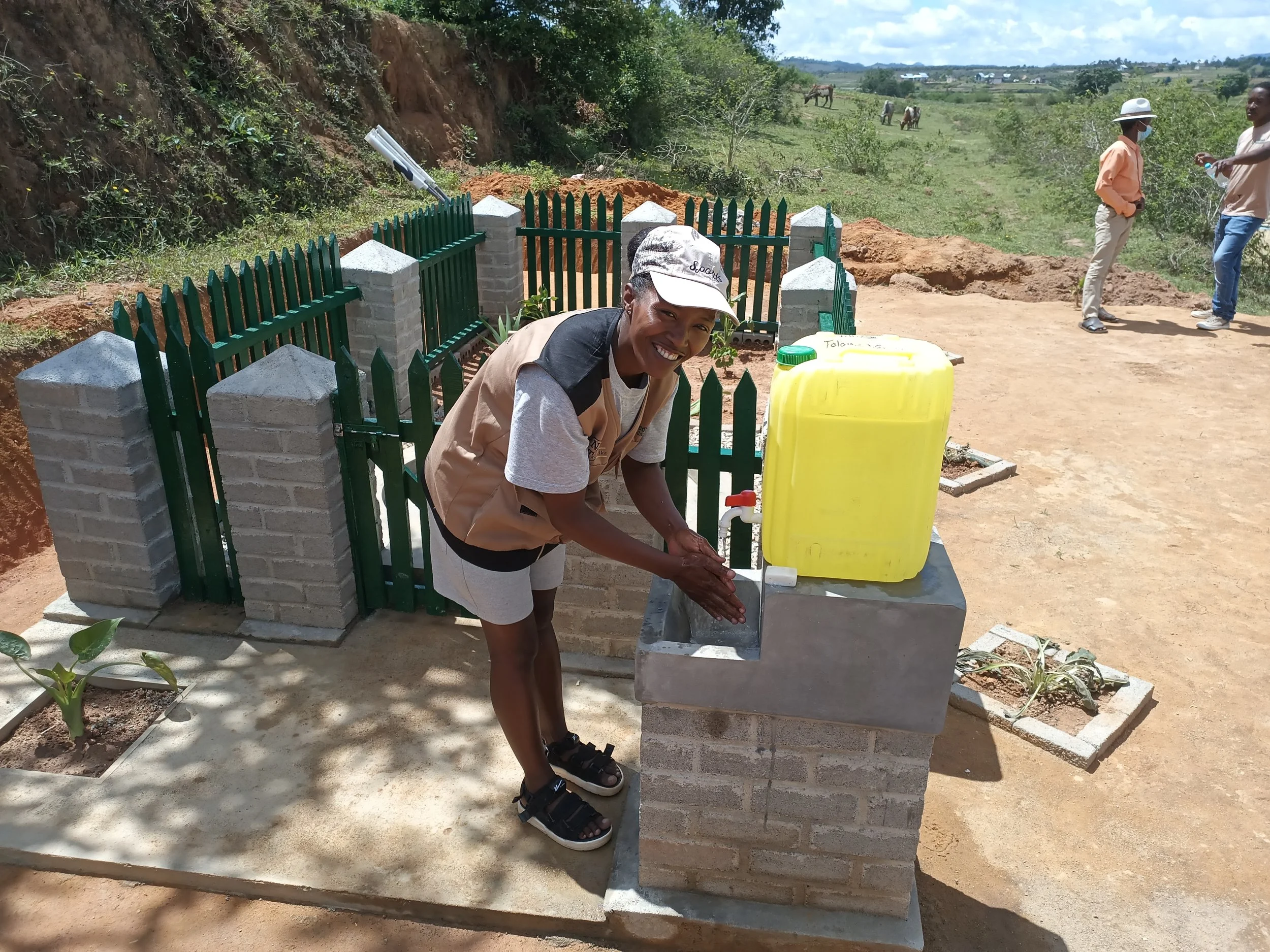
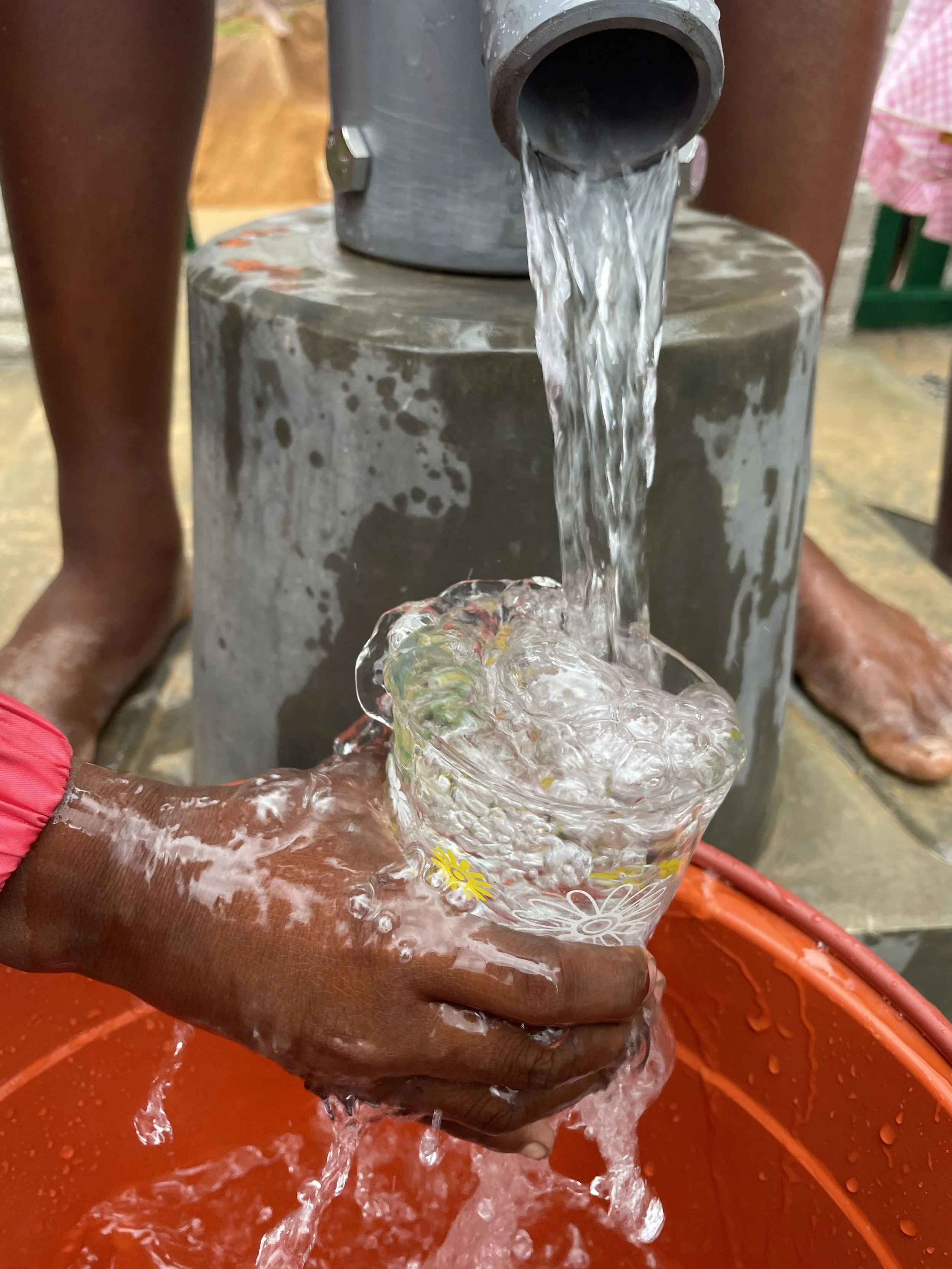
Field visits to watersheds, existing systems and potential borehole sites followed and based on the discussions and technical studies, a borehole with a hand-pump (canzee-pump) was confirmed as the most suitable option for Tolongoa Nord.
Building together
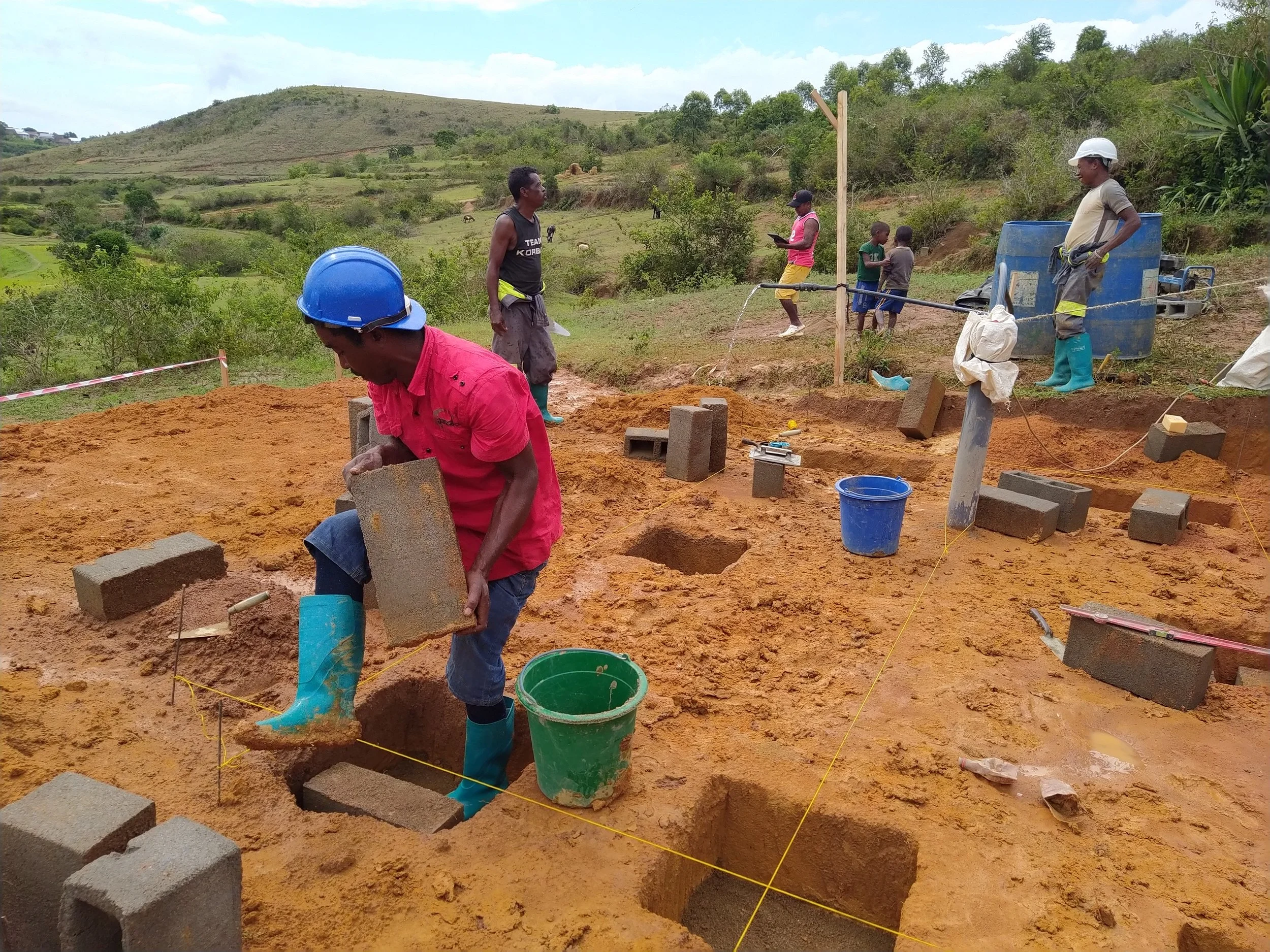
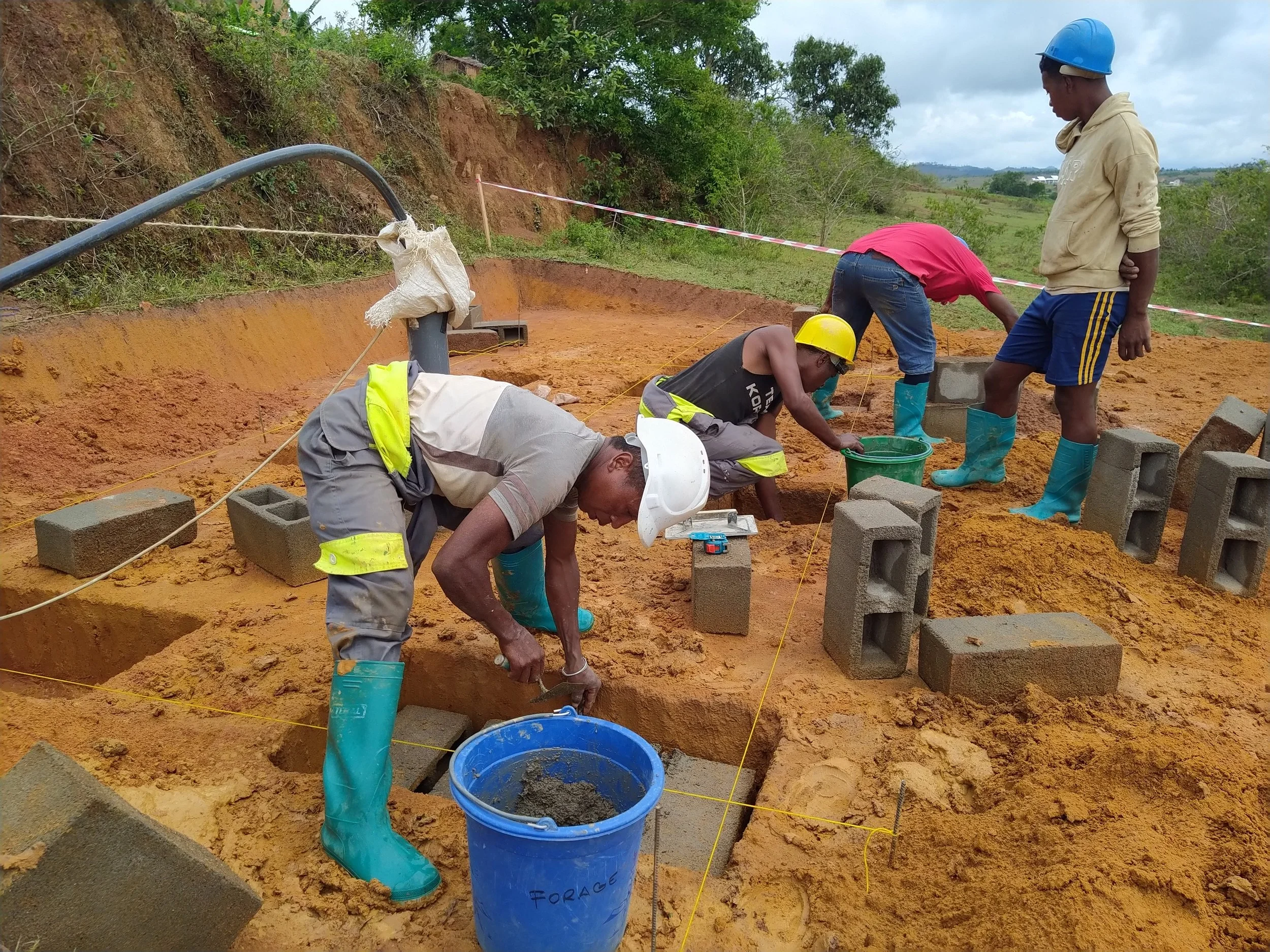
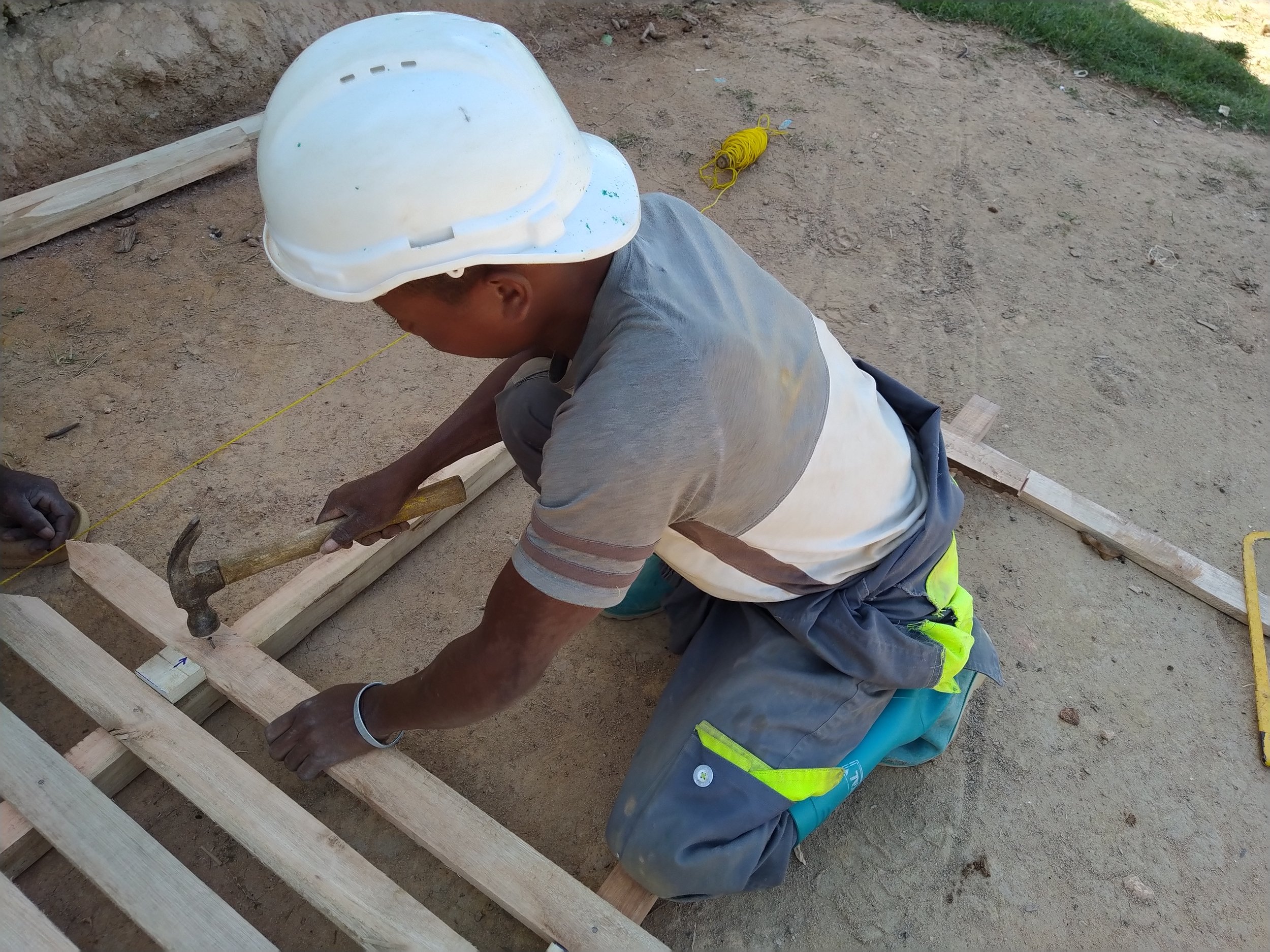
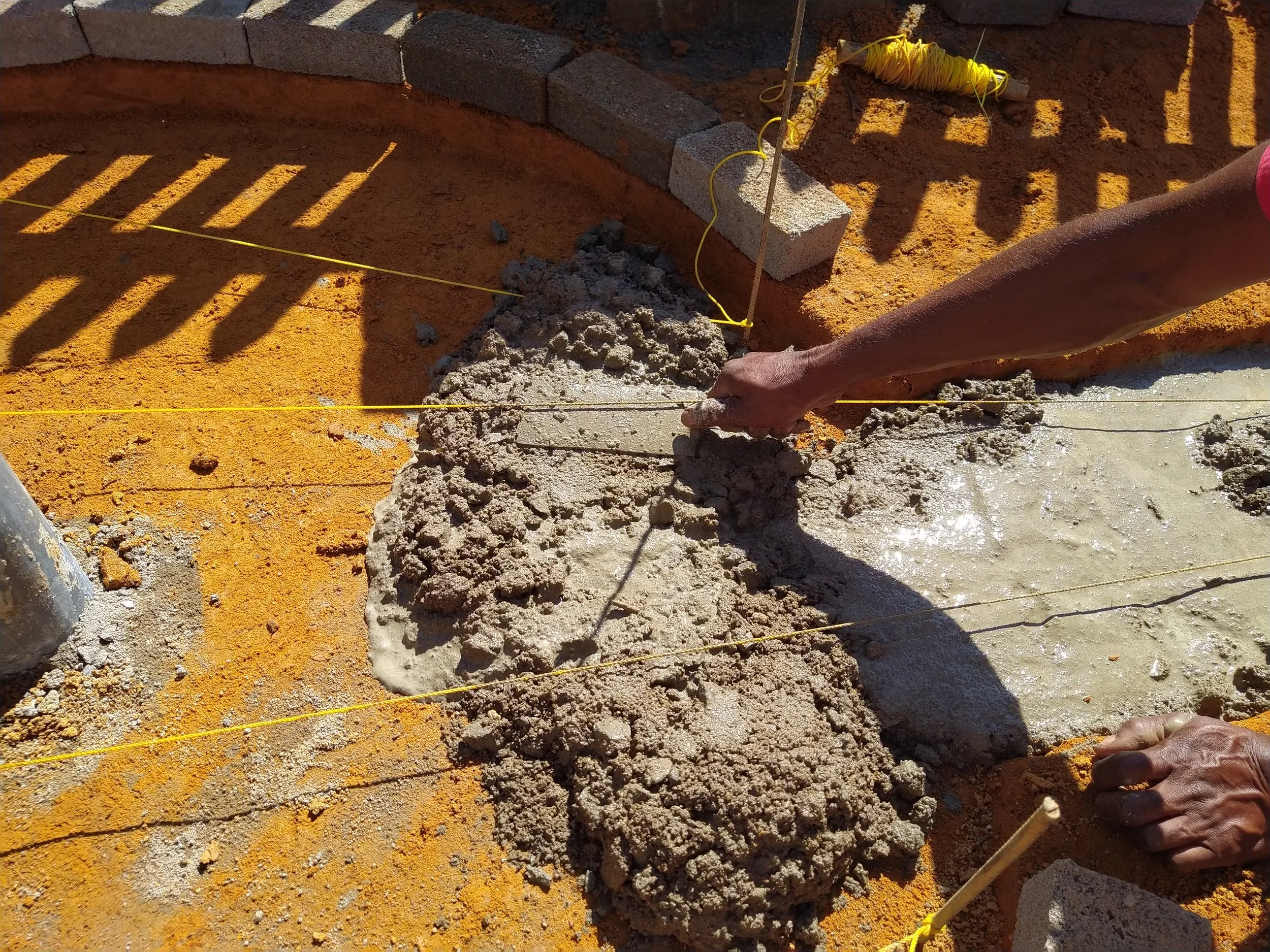
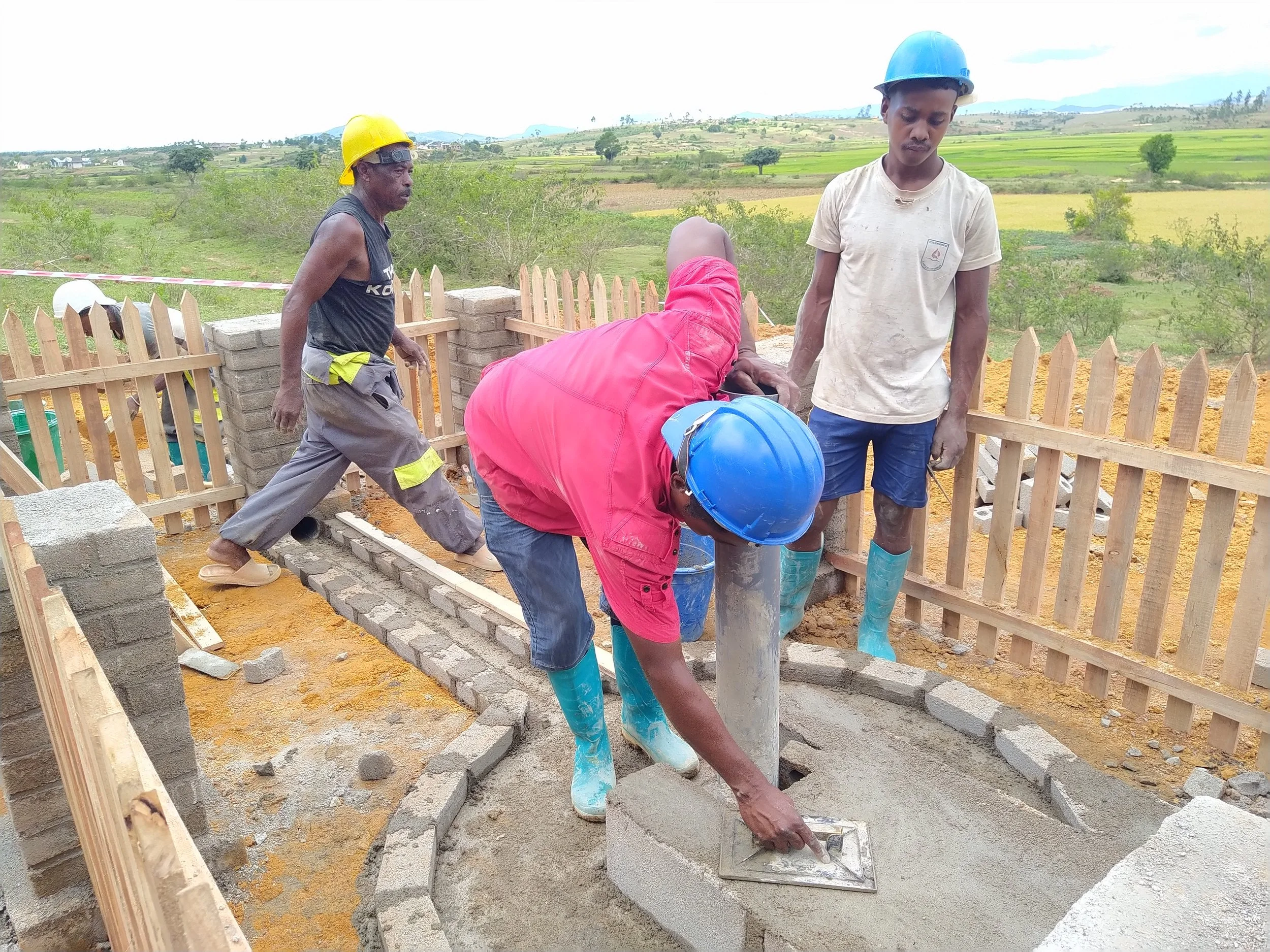
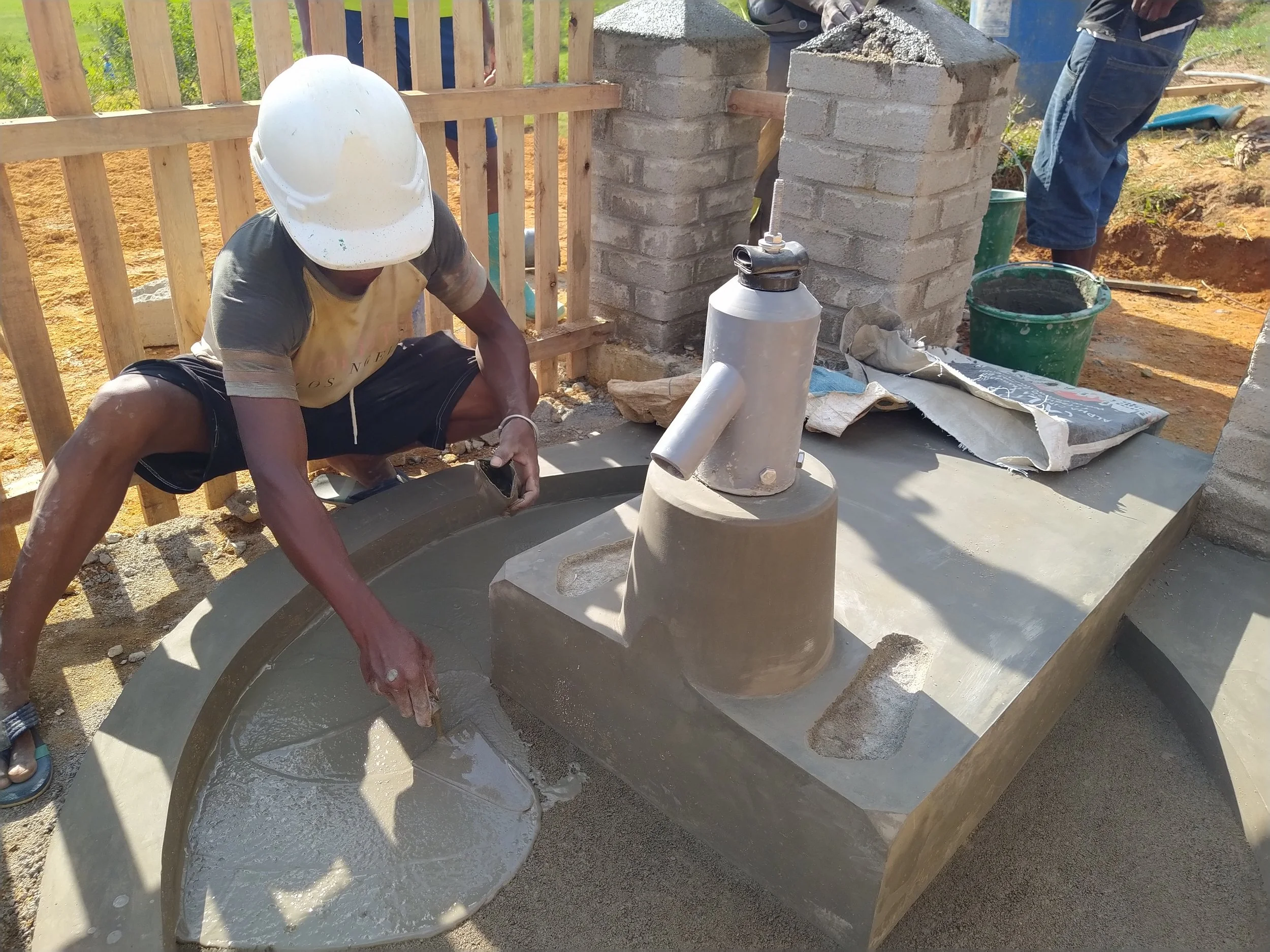
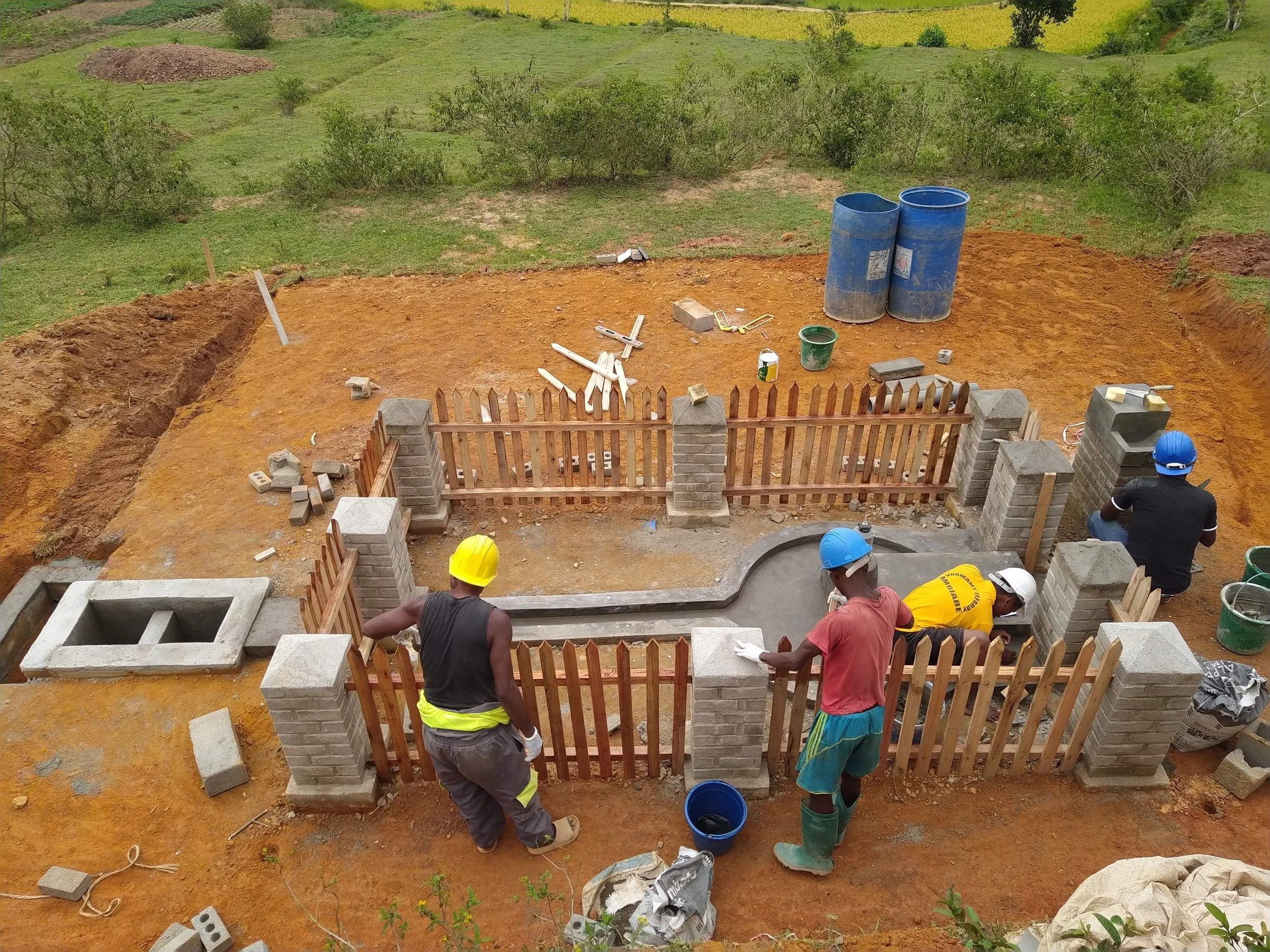
Once responsibilities had been agreed, construction began.
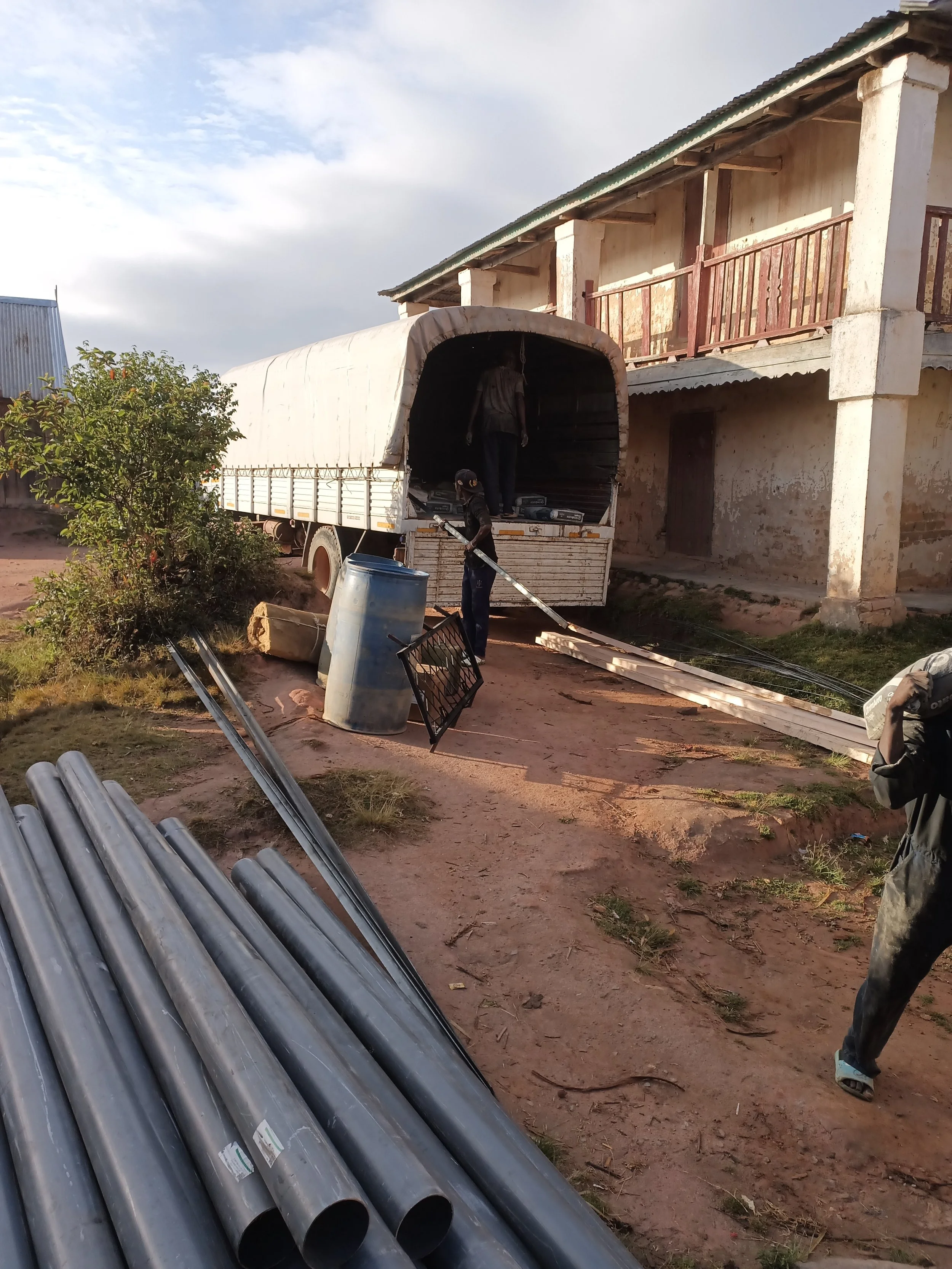
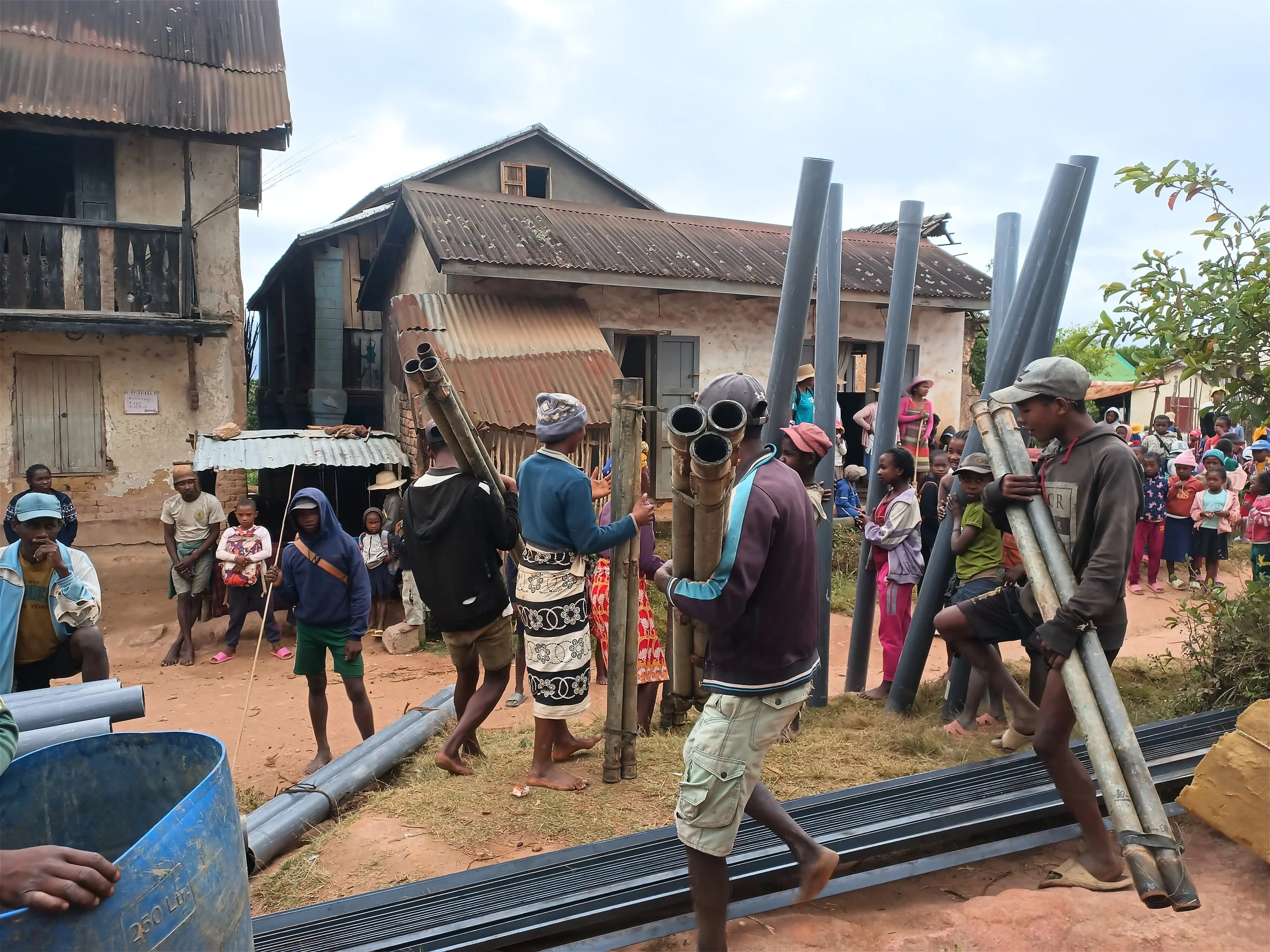
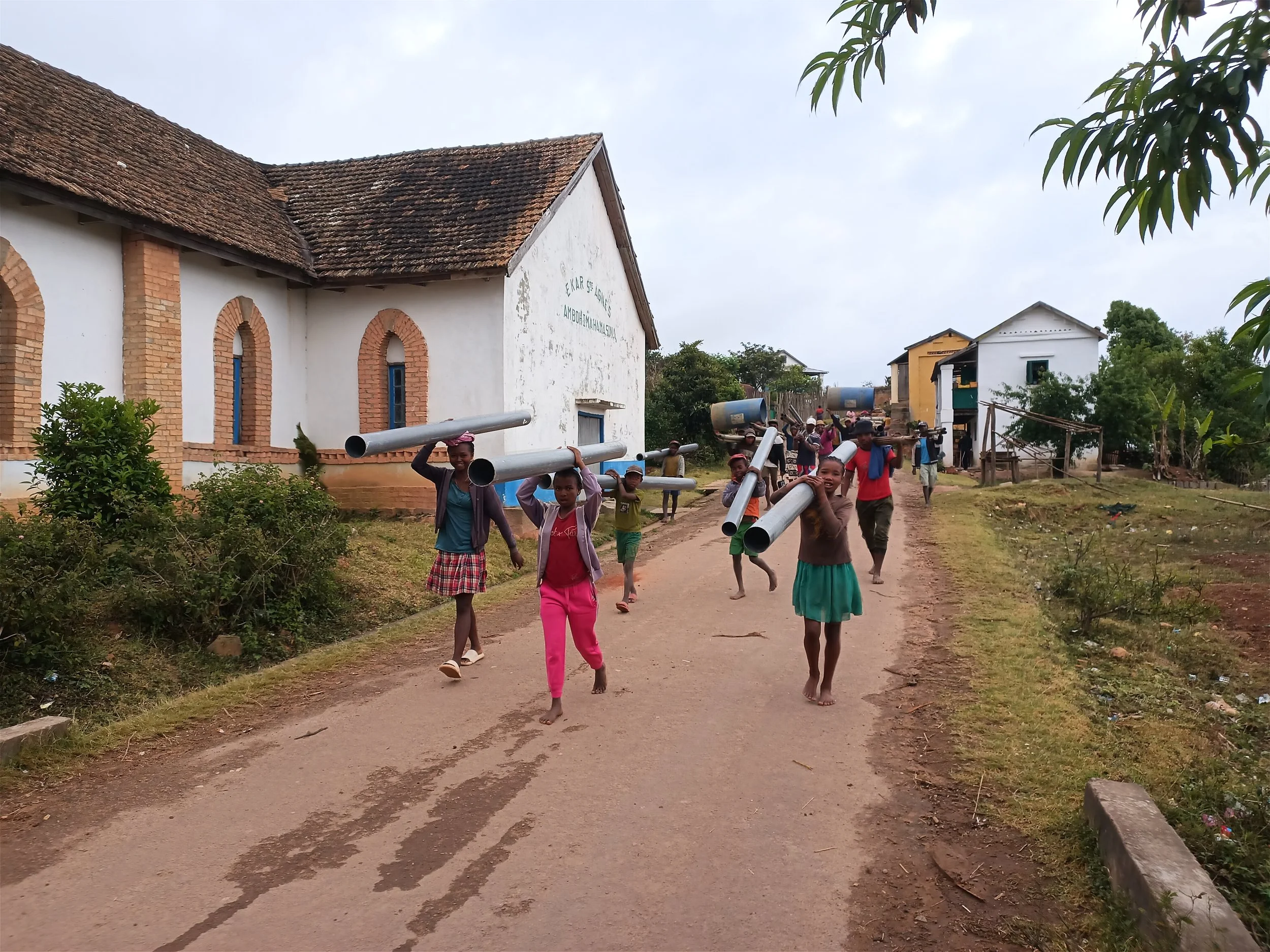
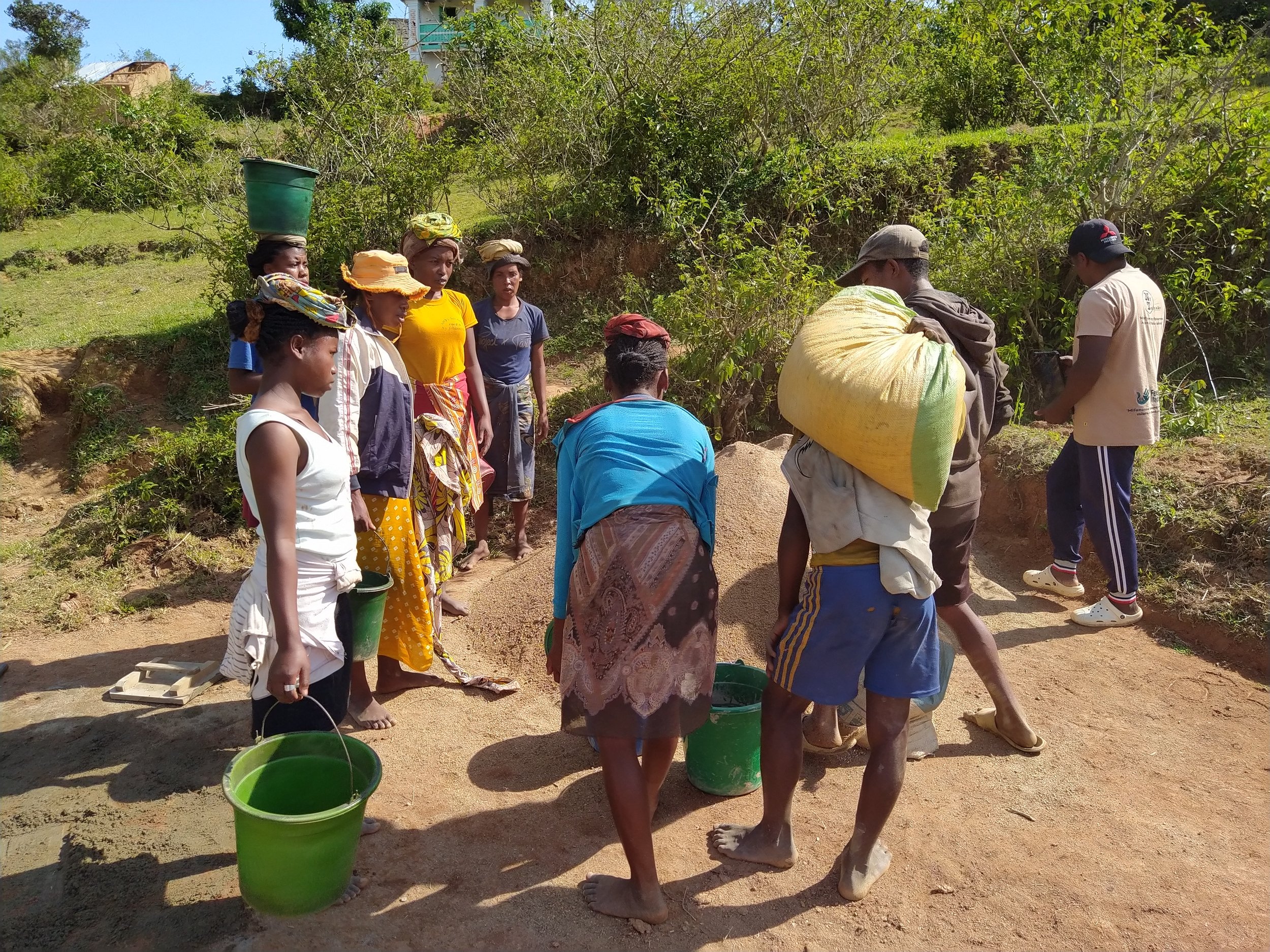
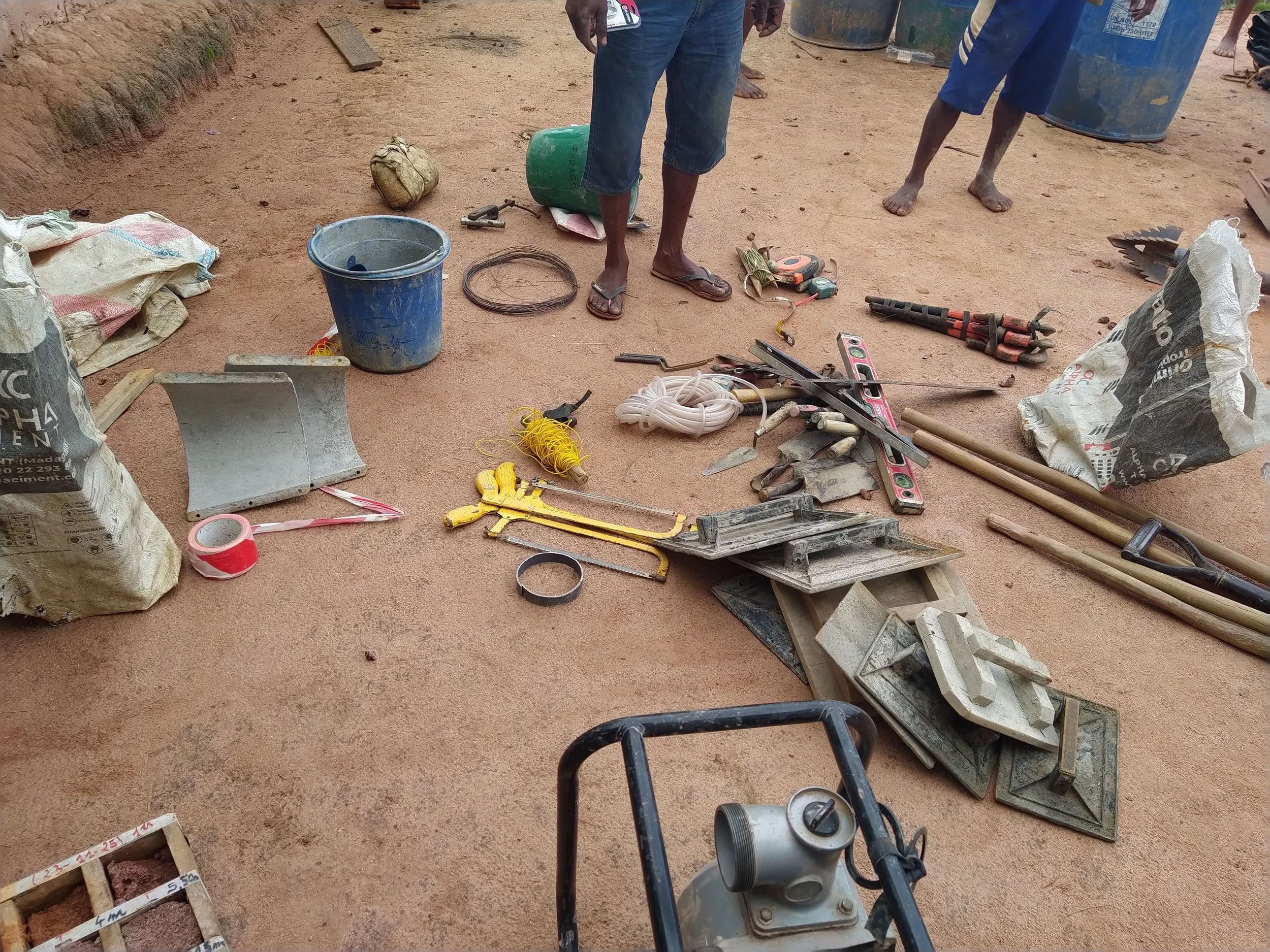
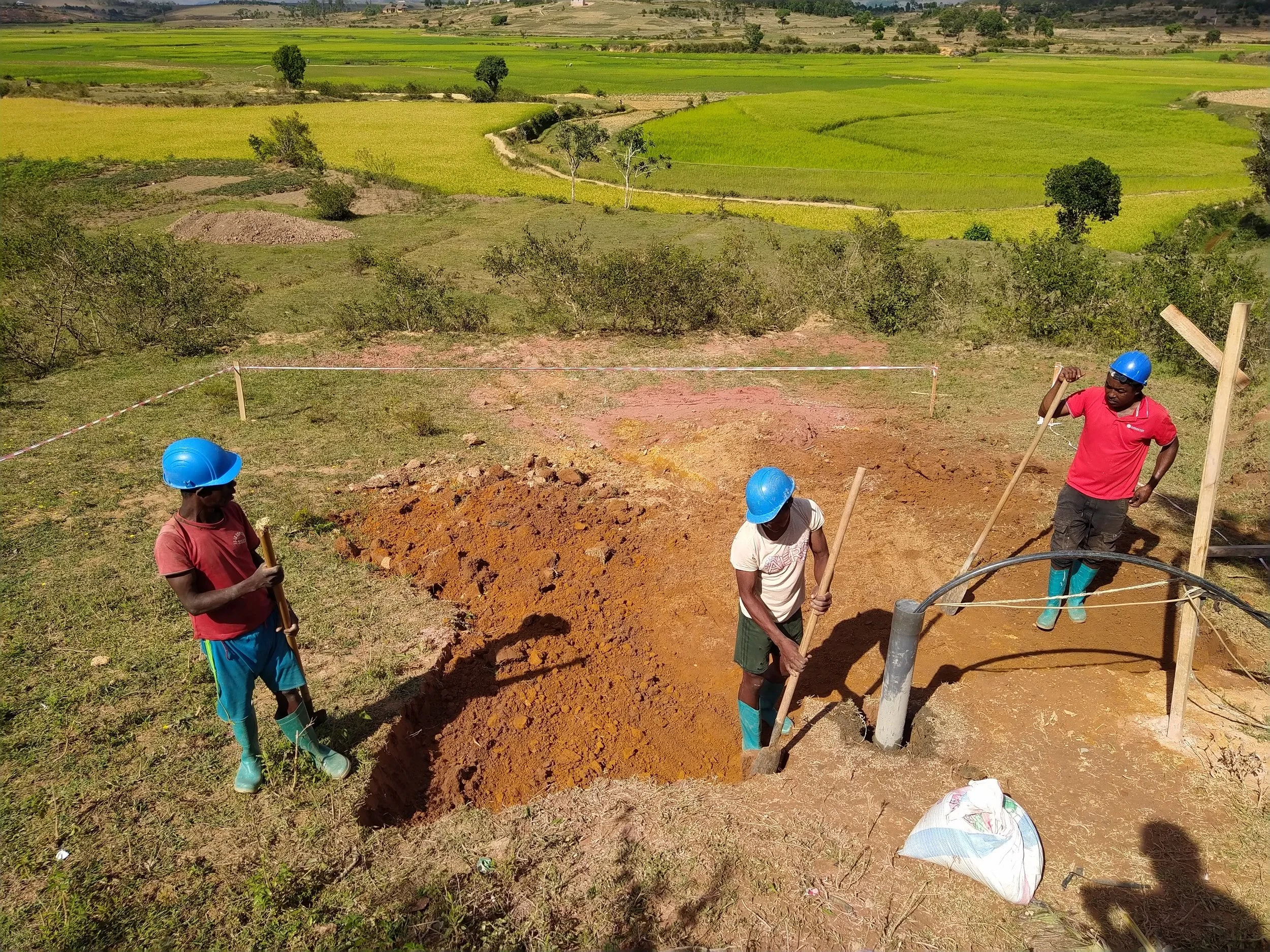
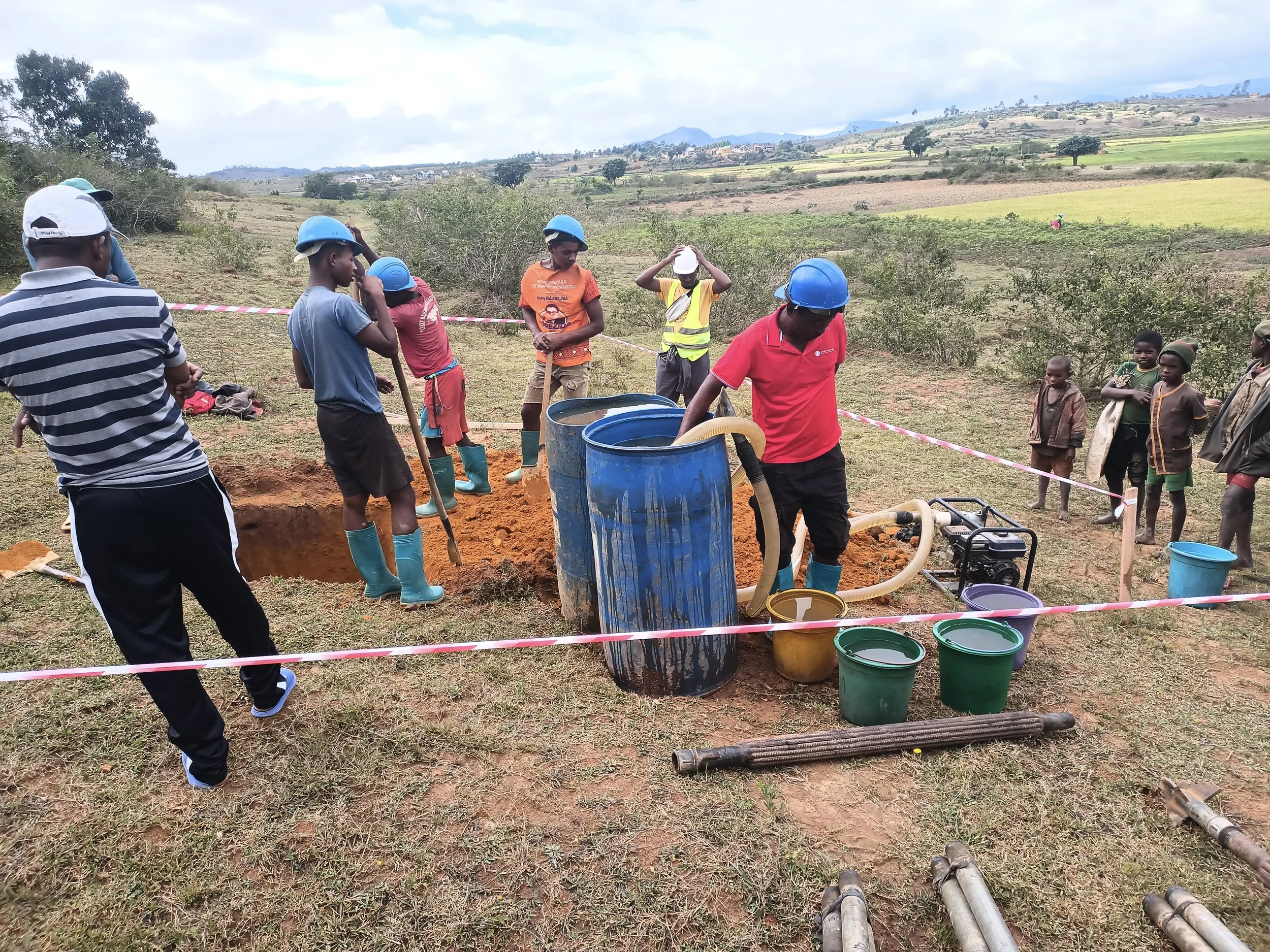
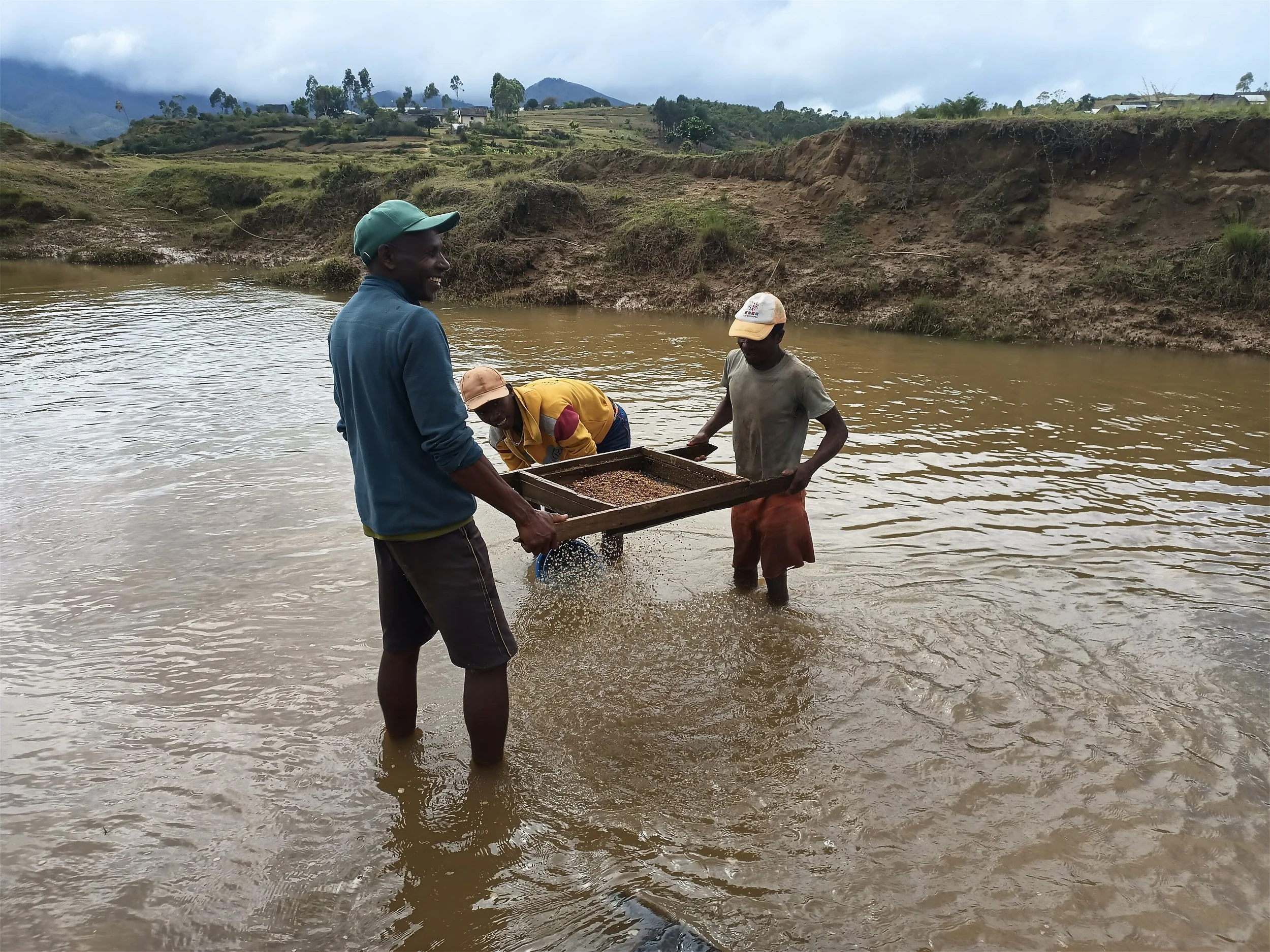
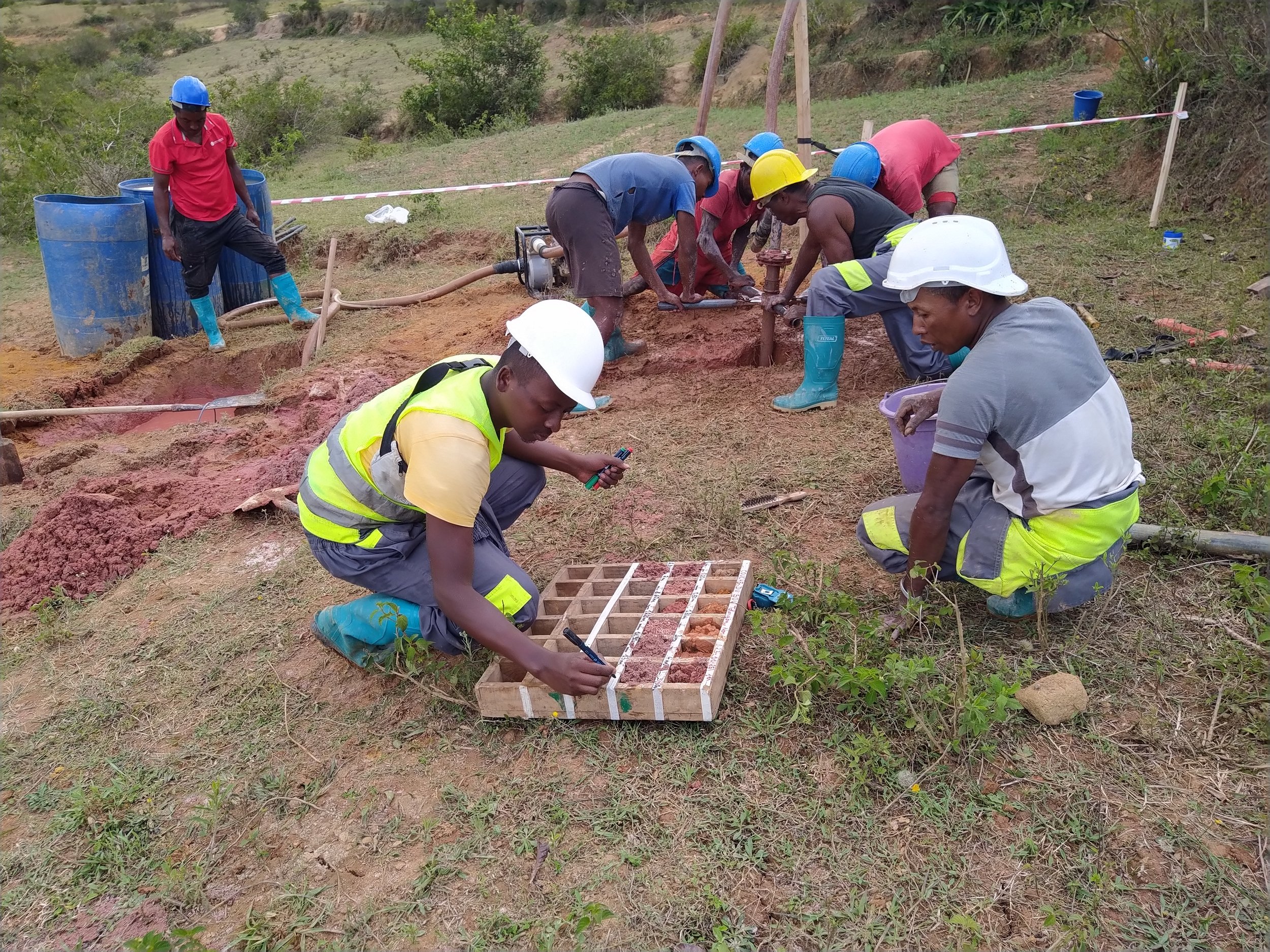
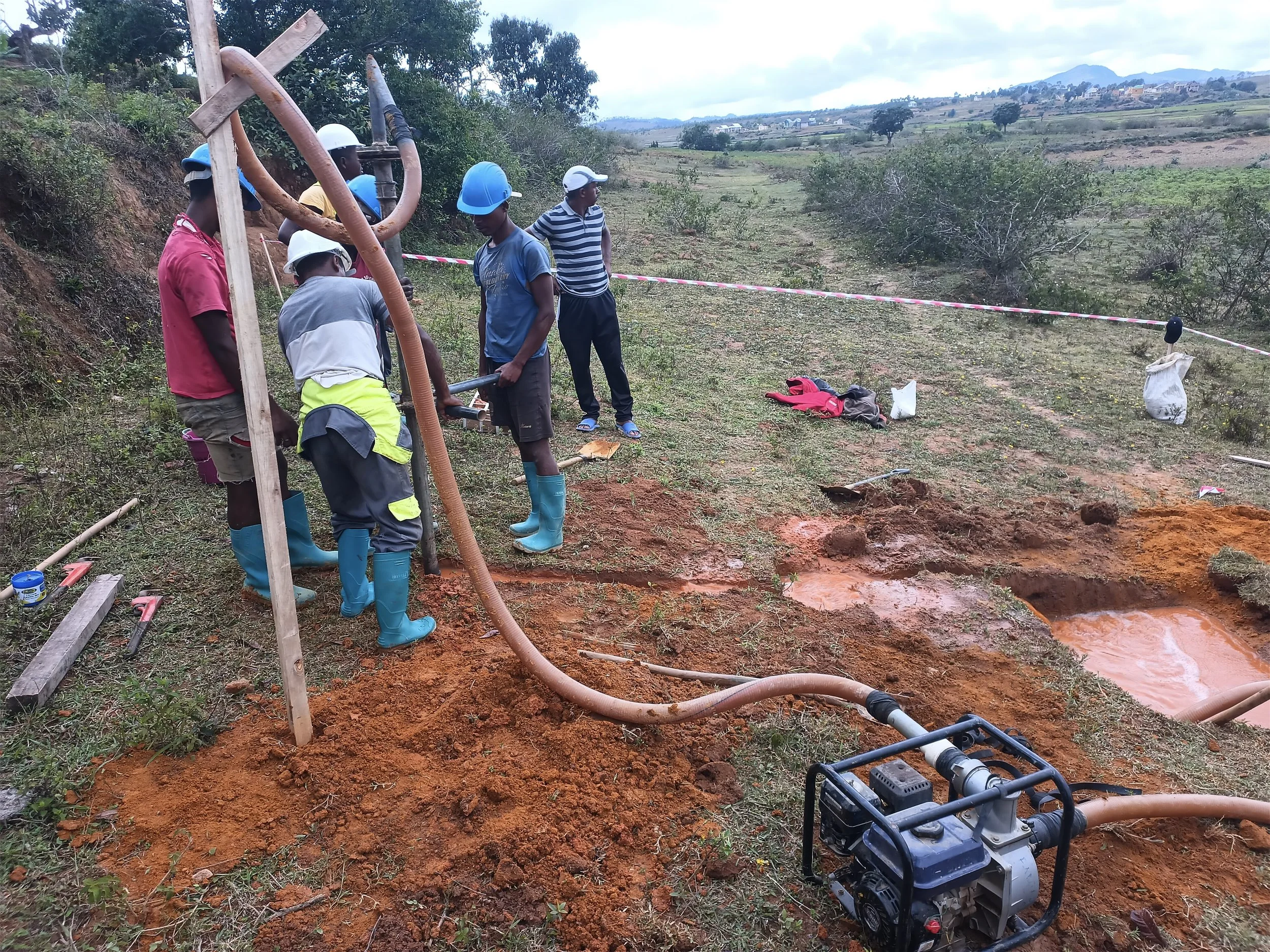
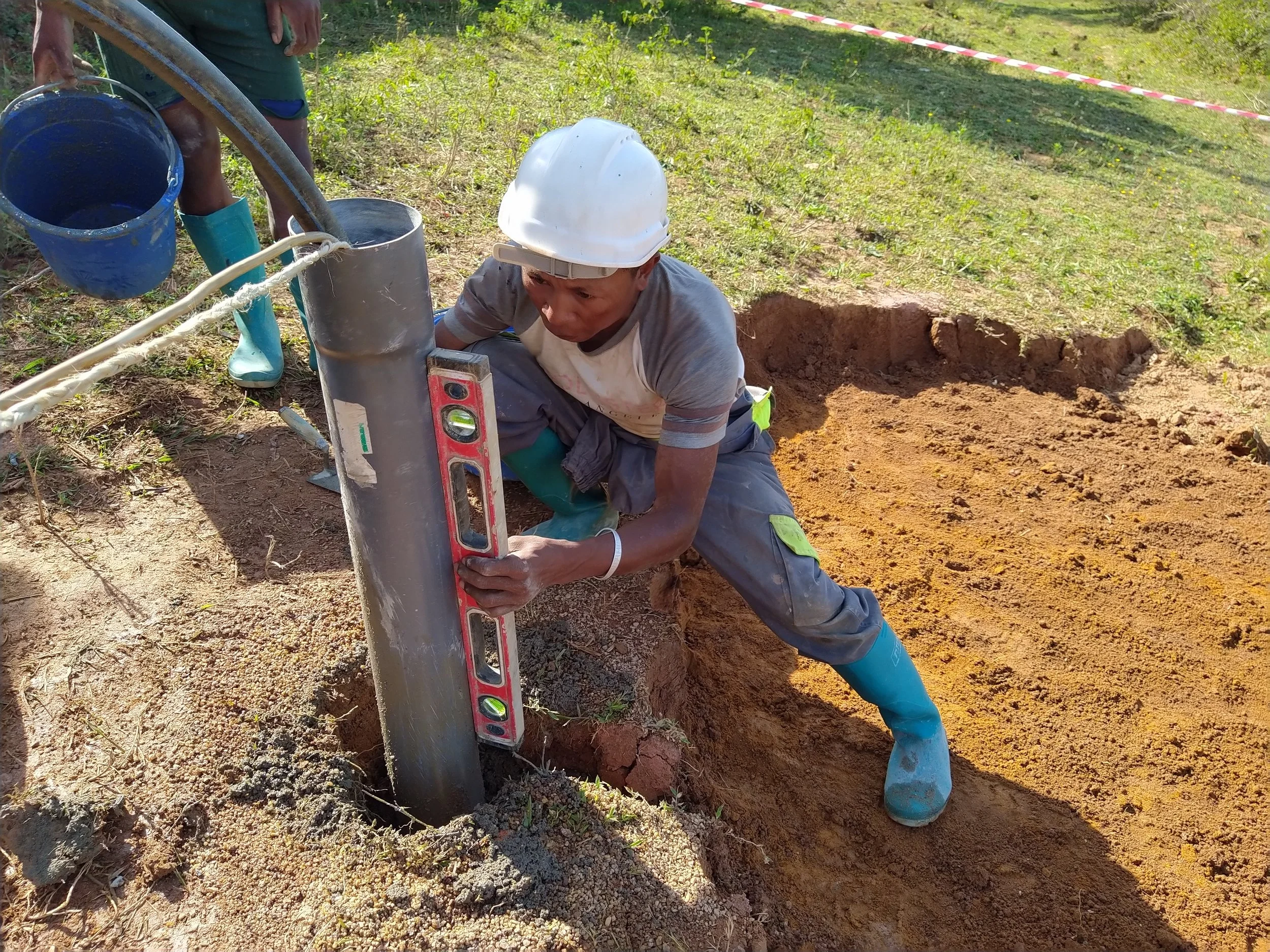
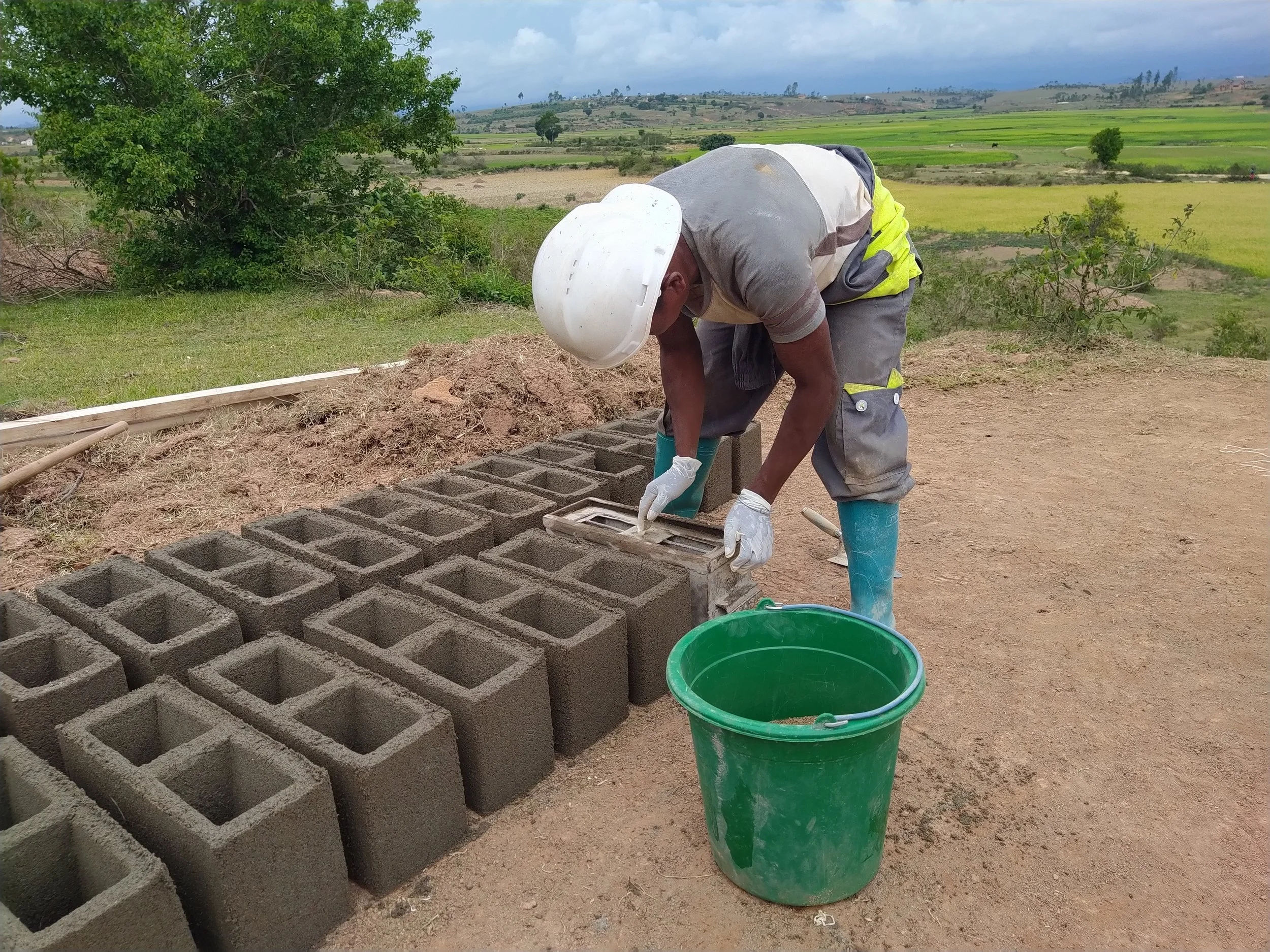
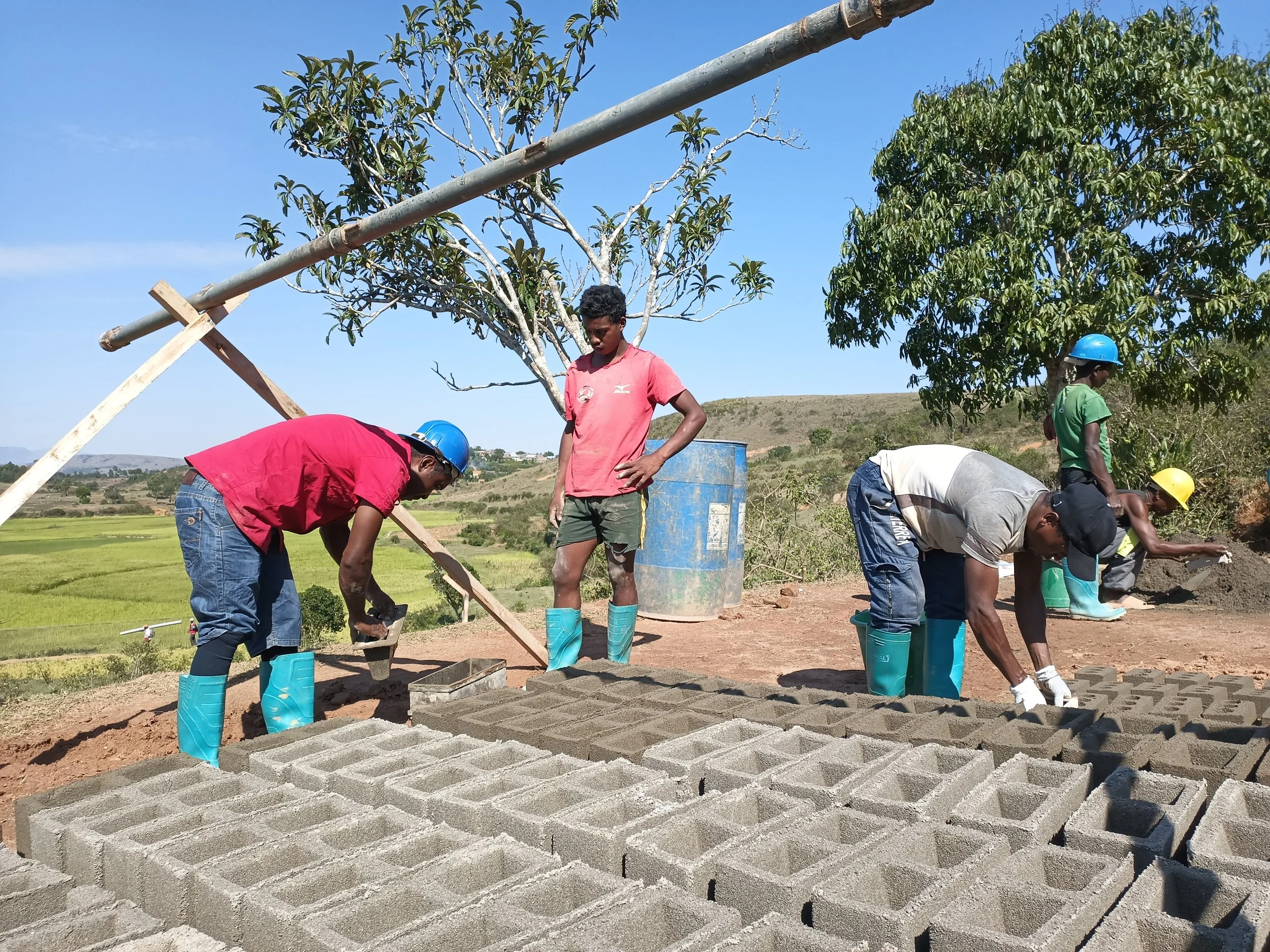
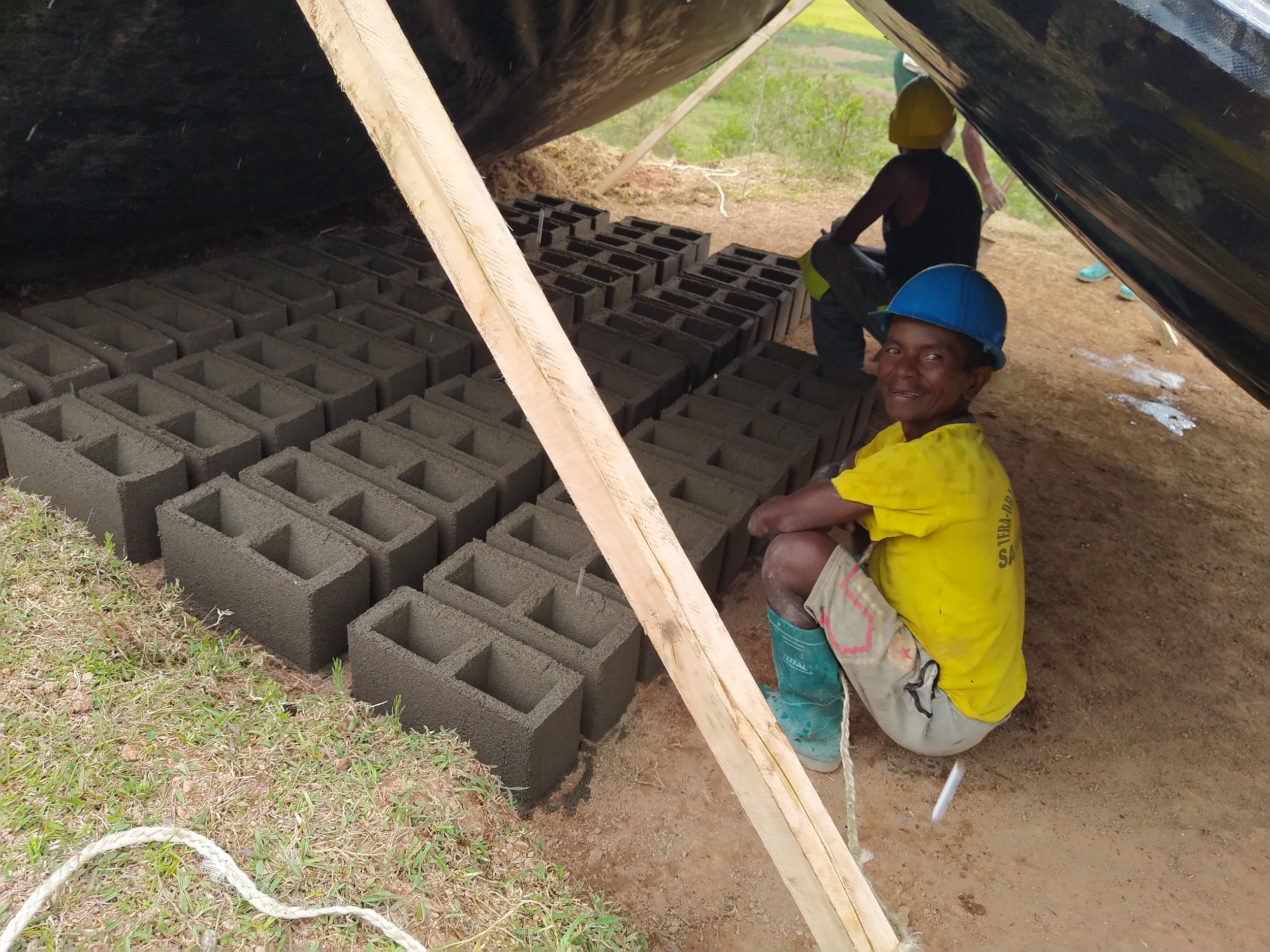
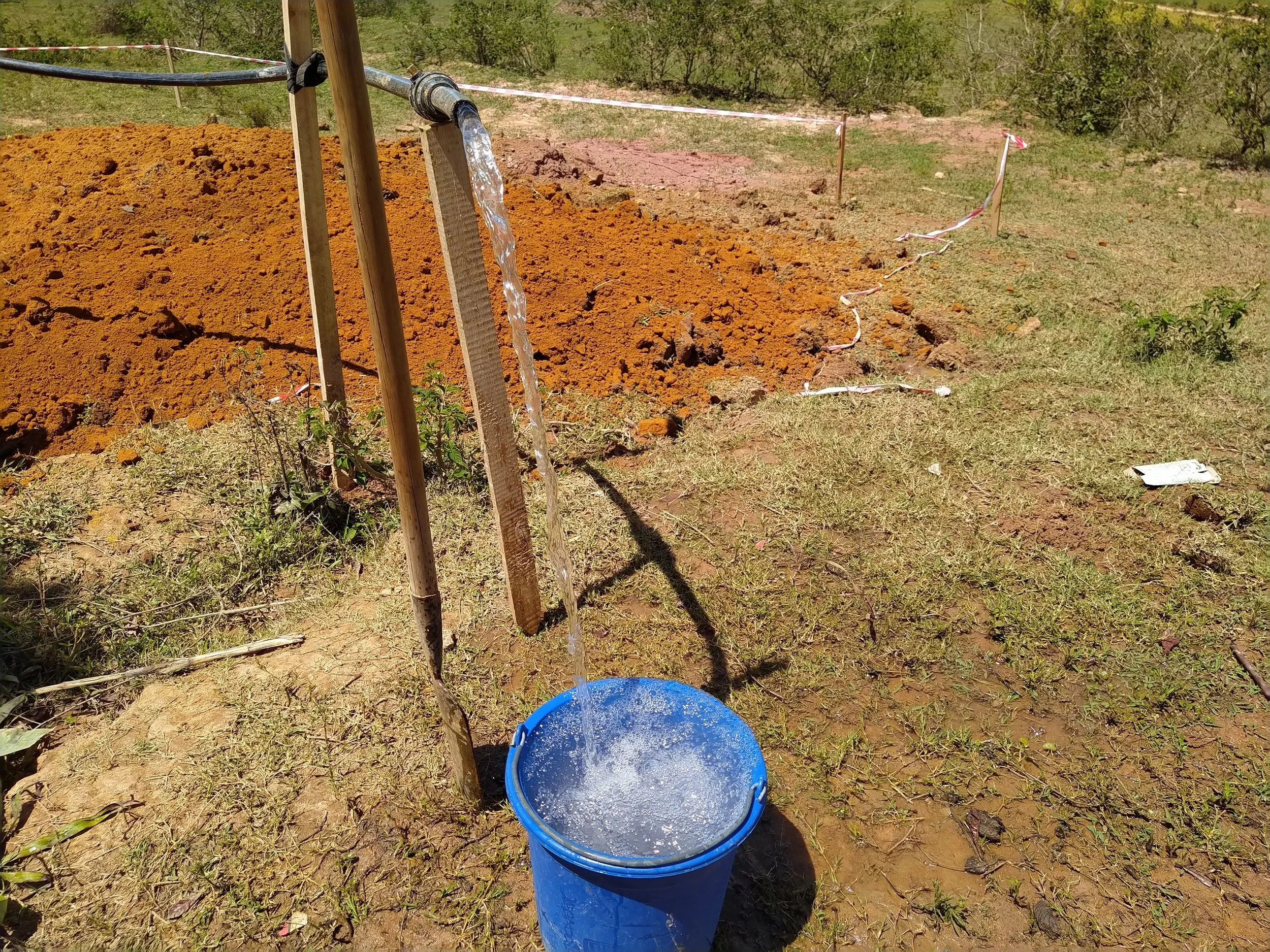
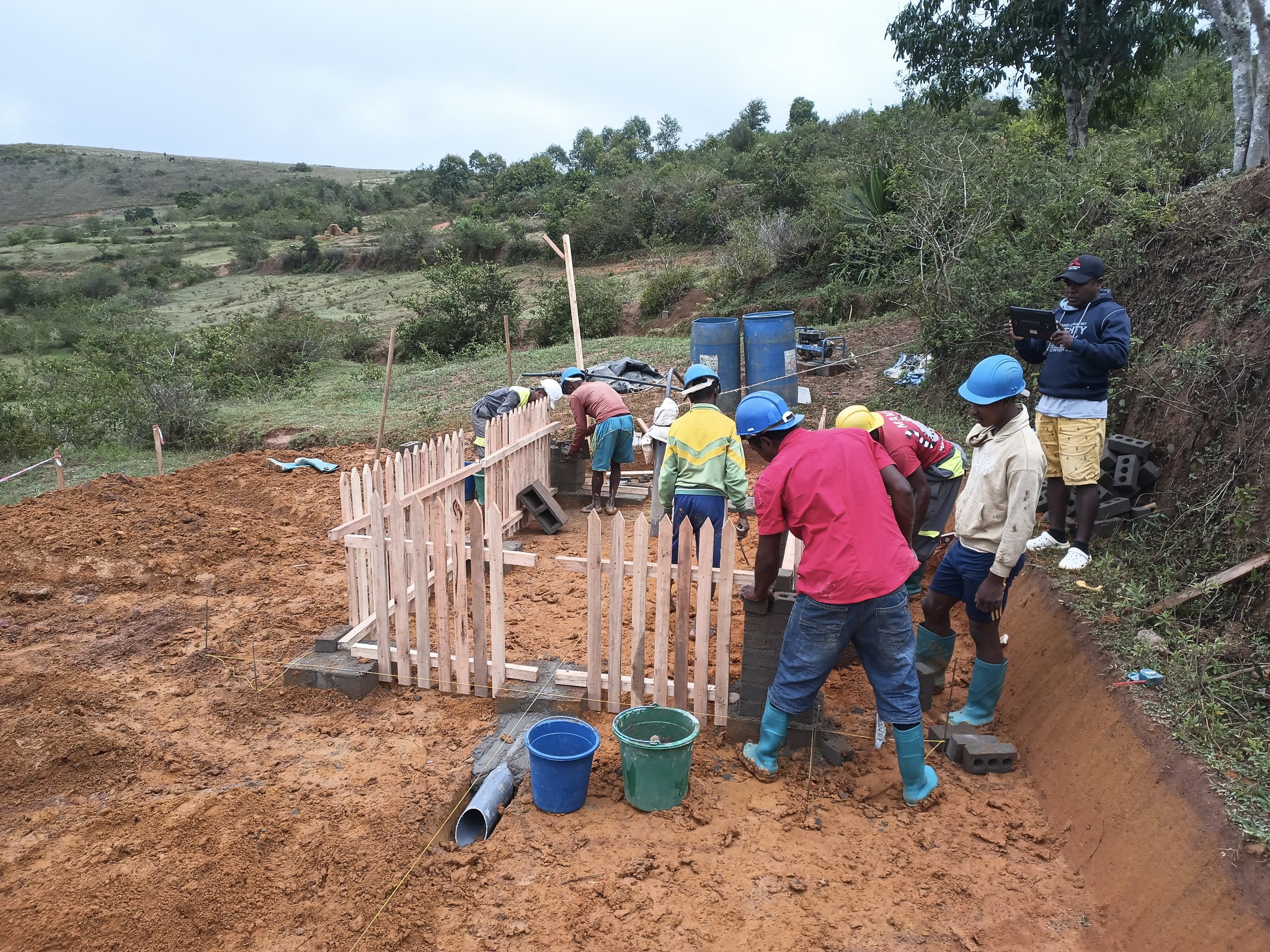
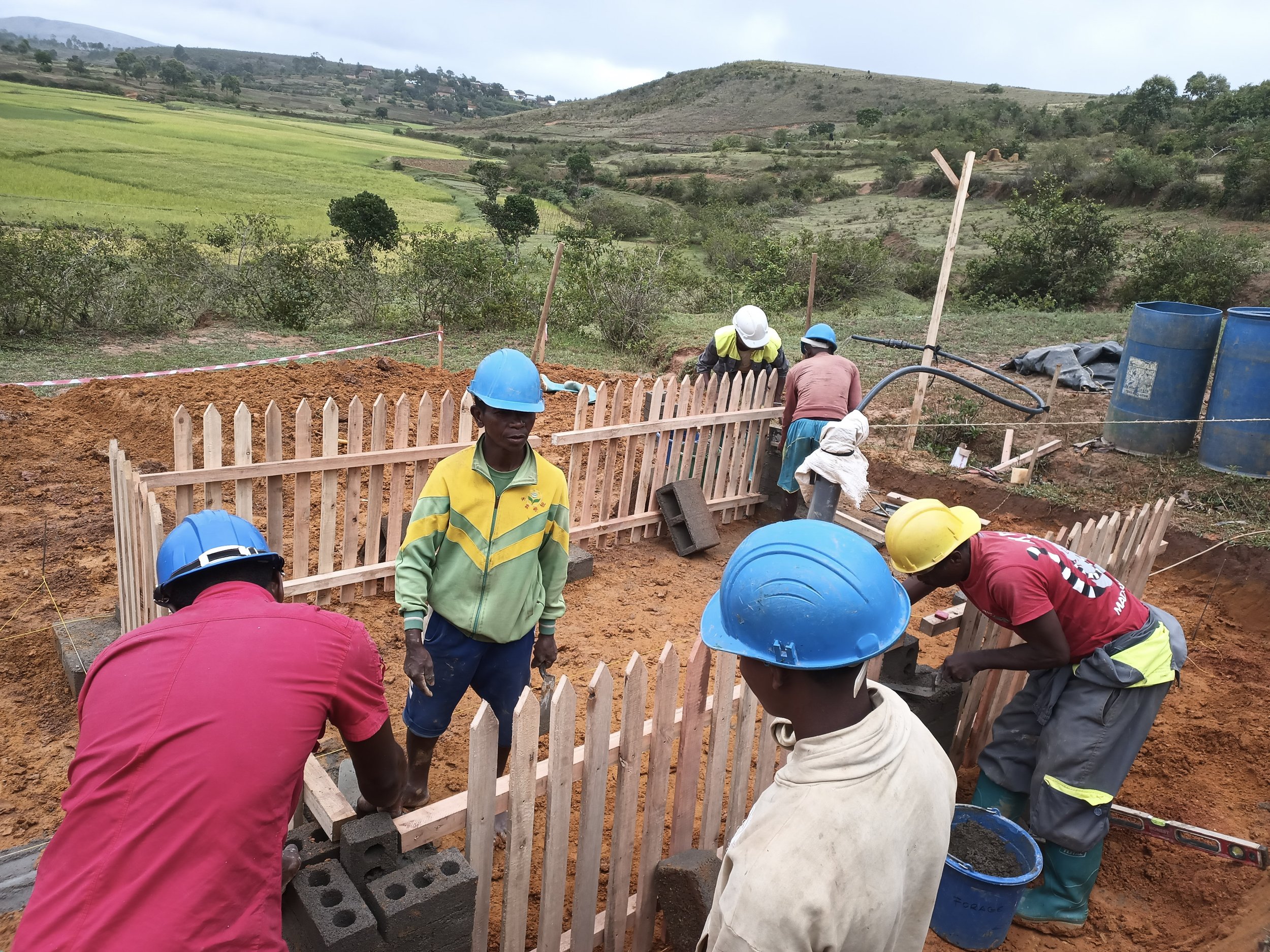
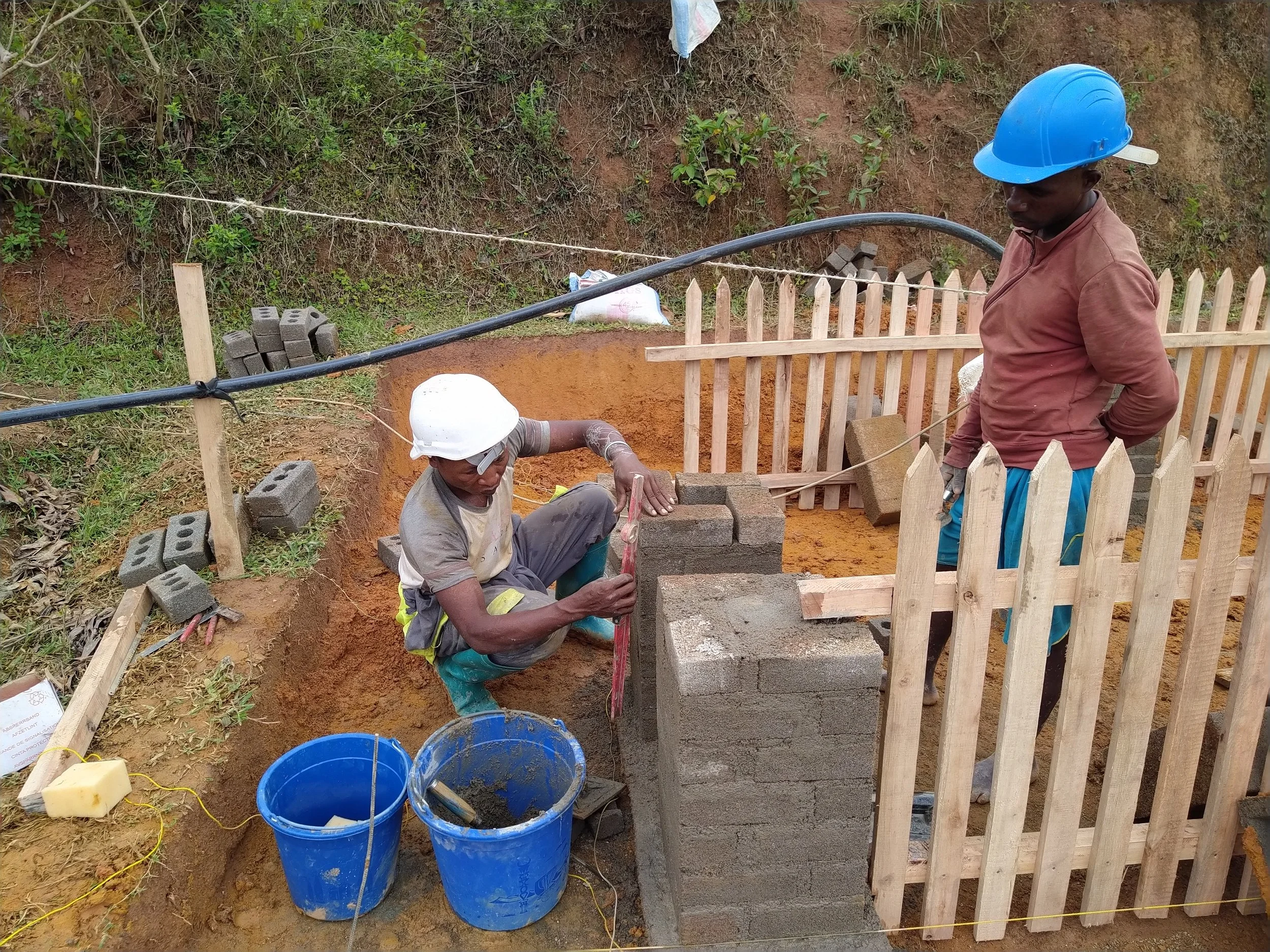
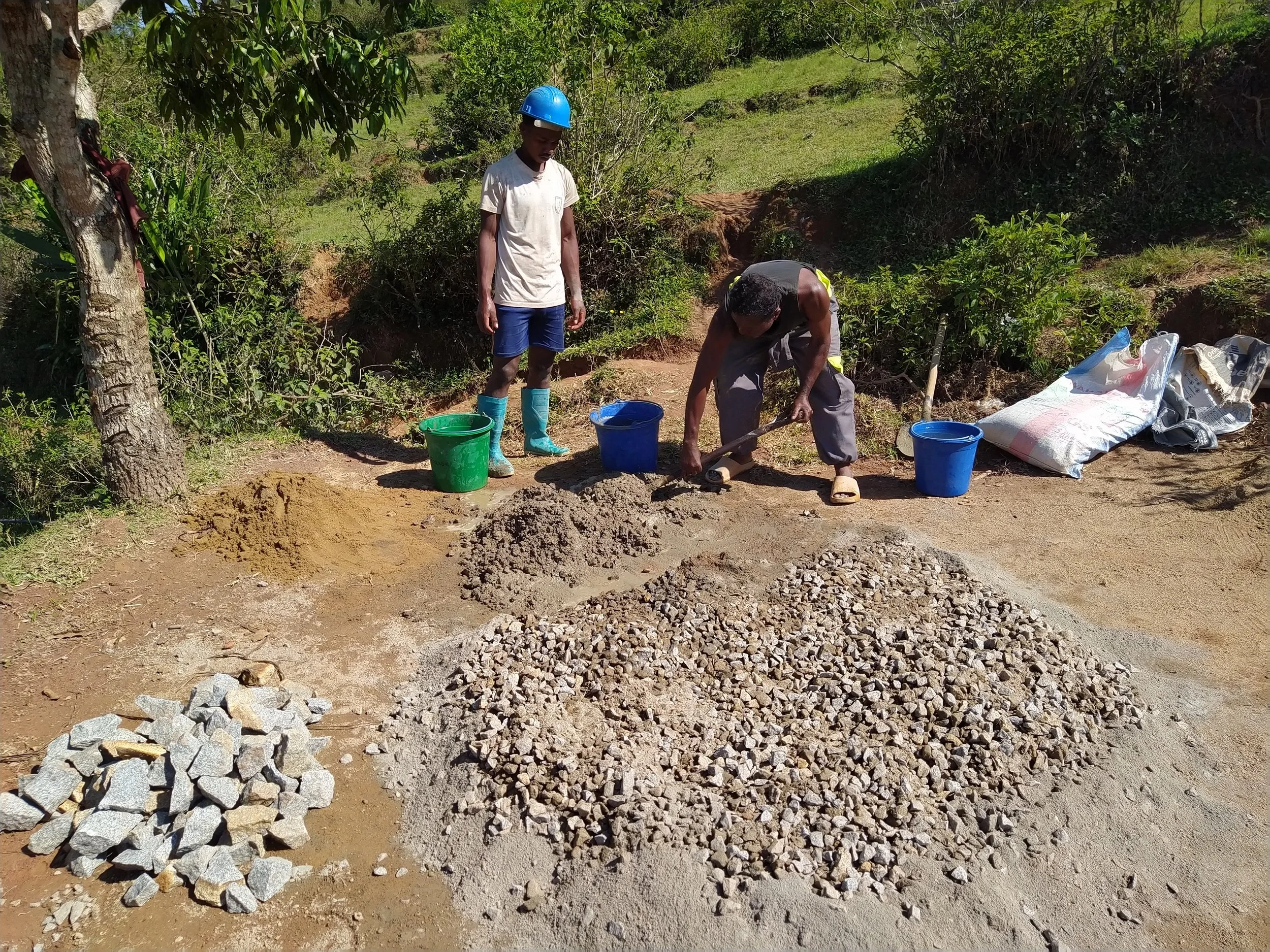
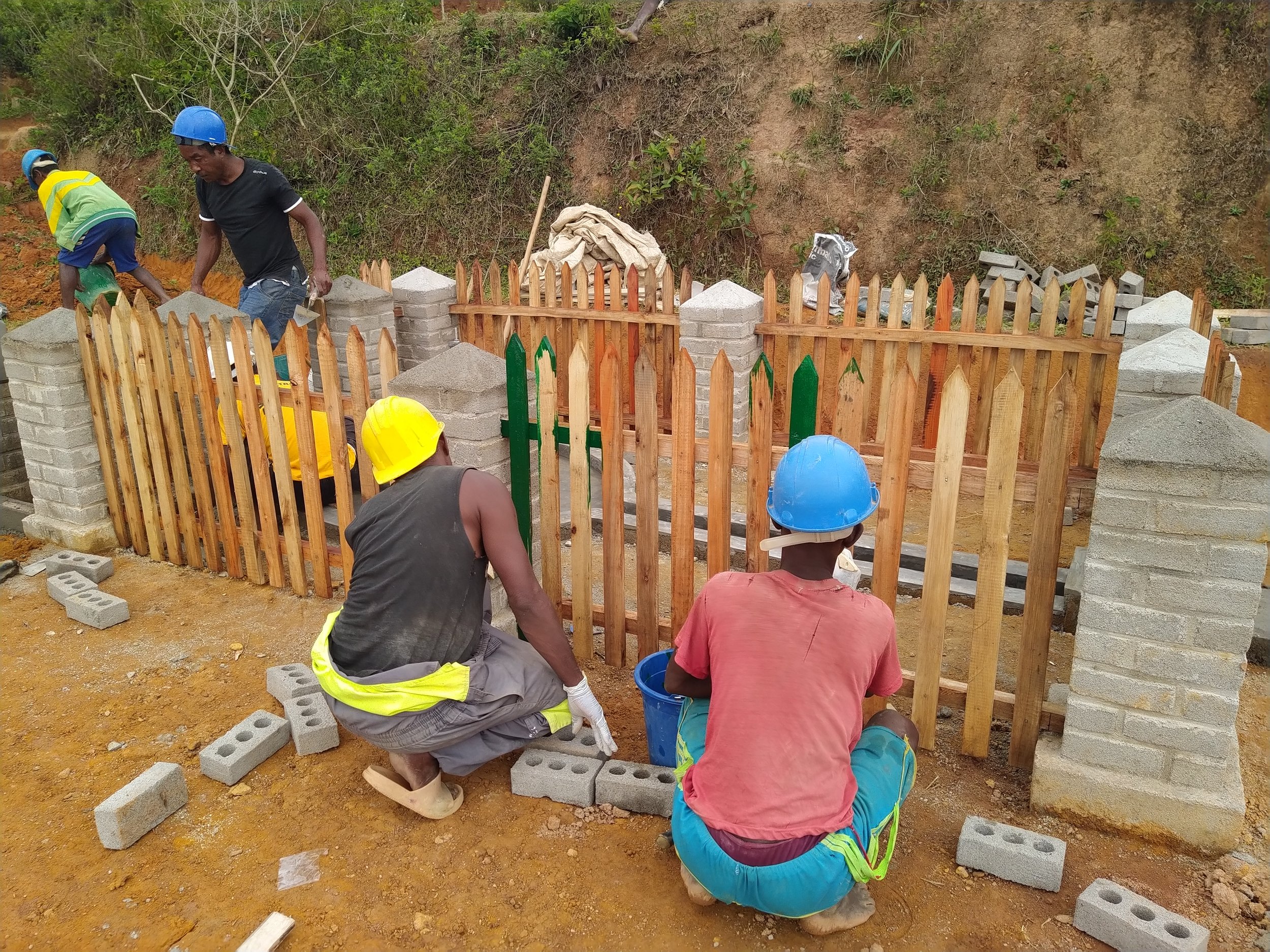
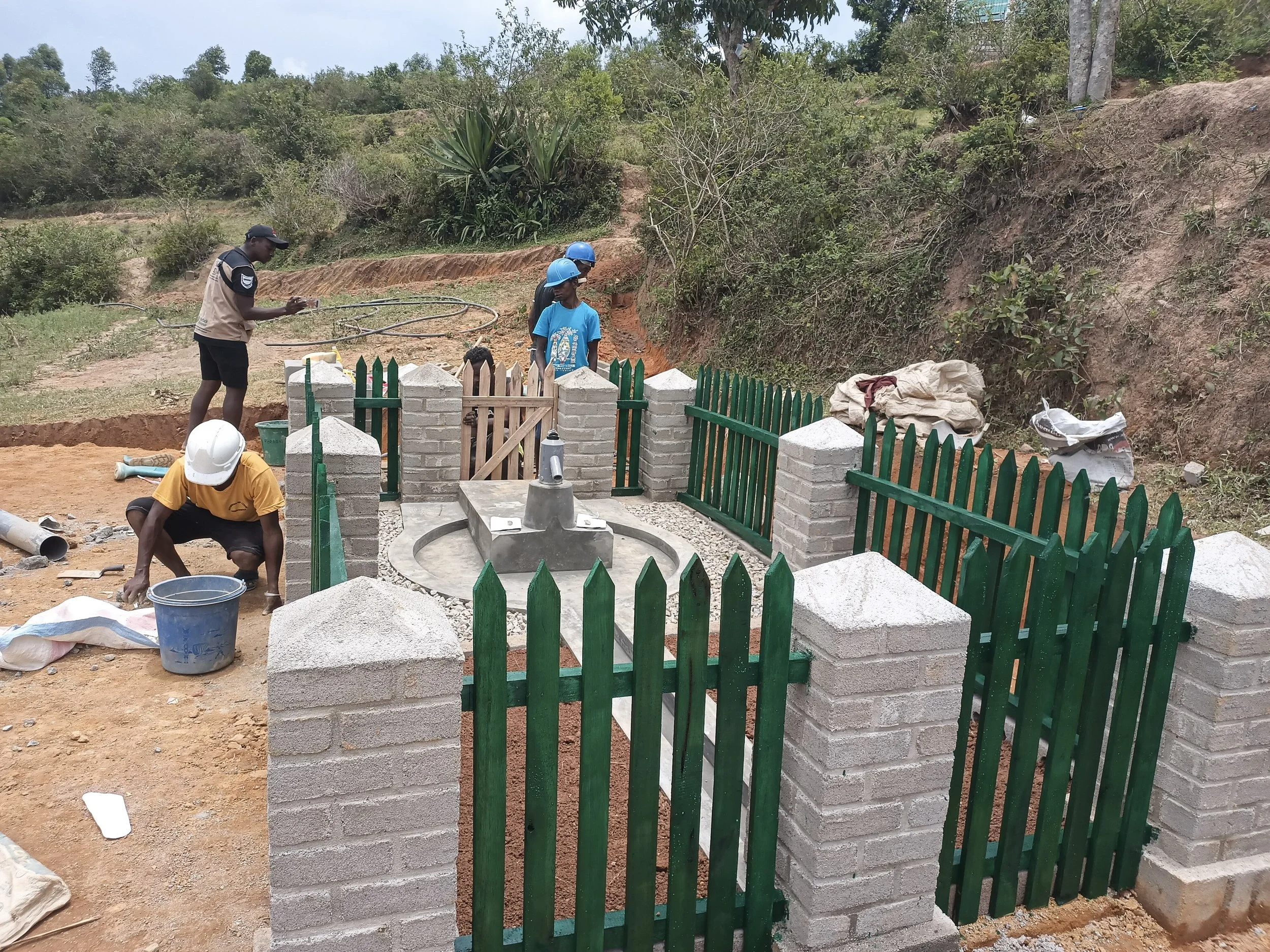
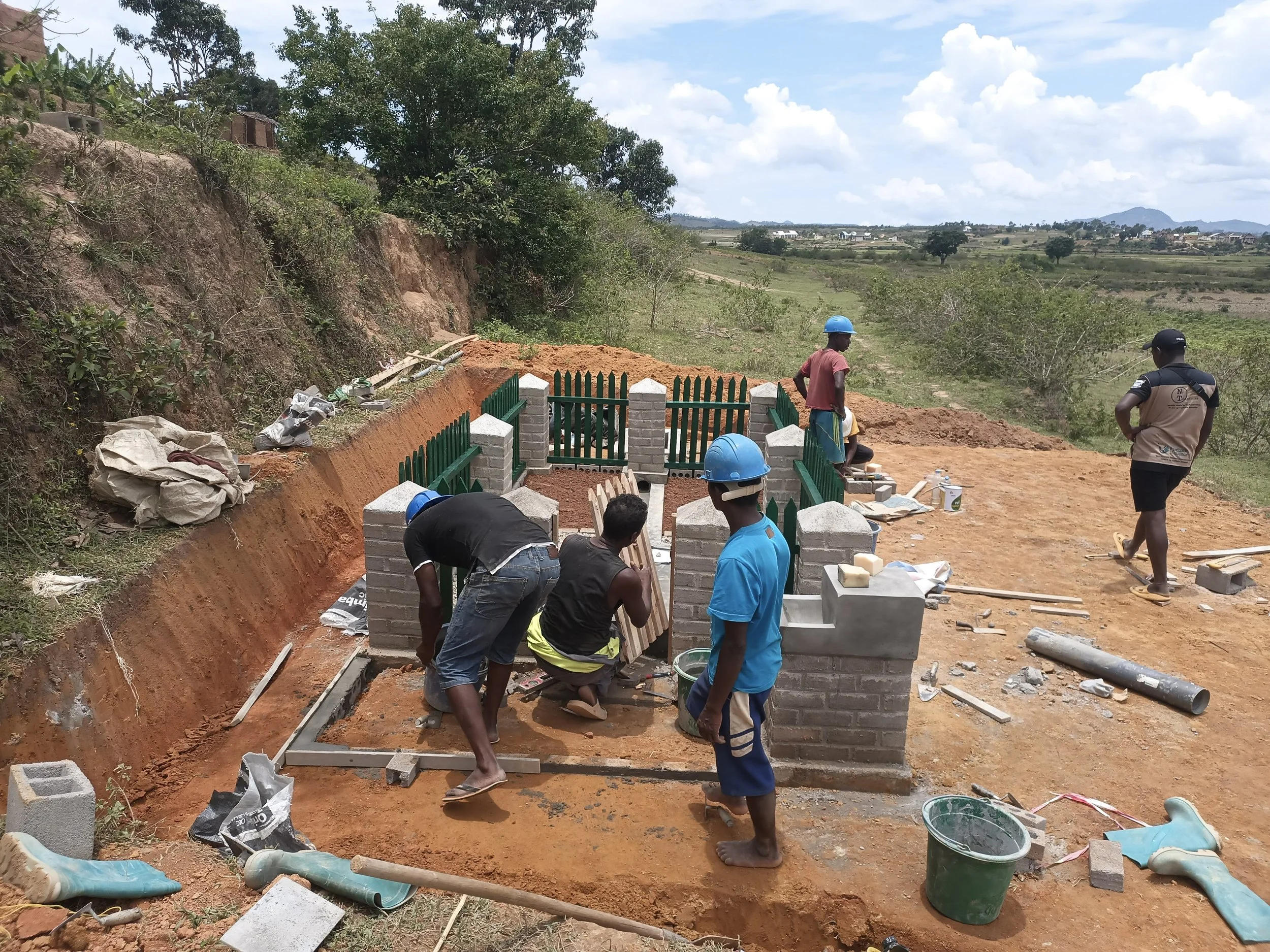
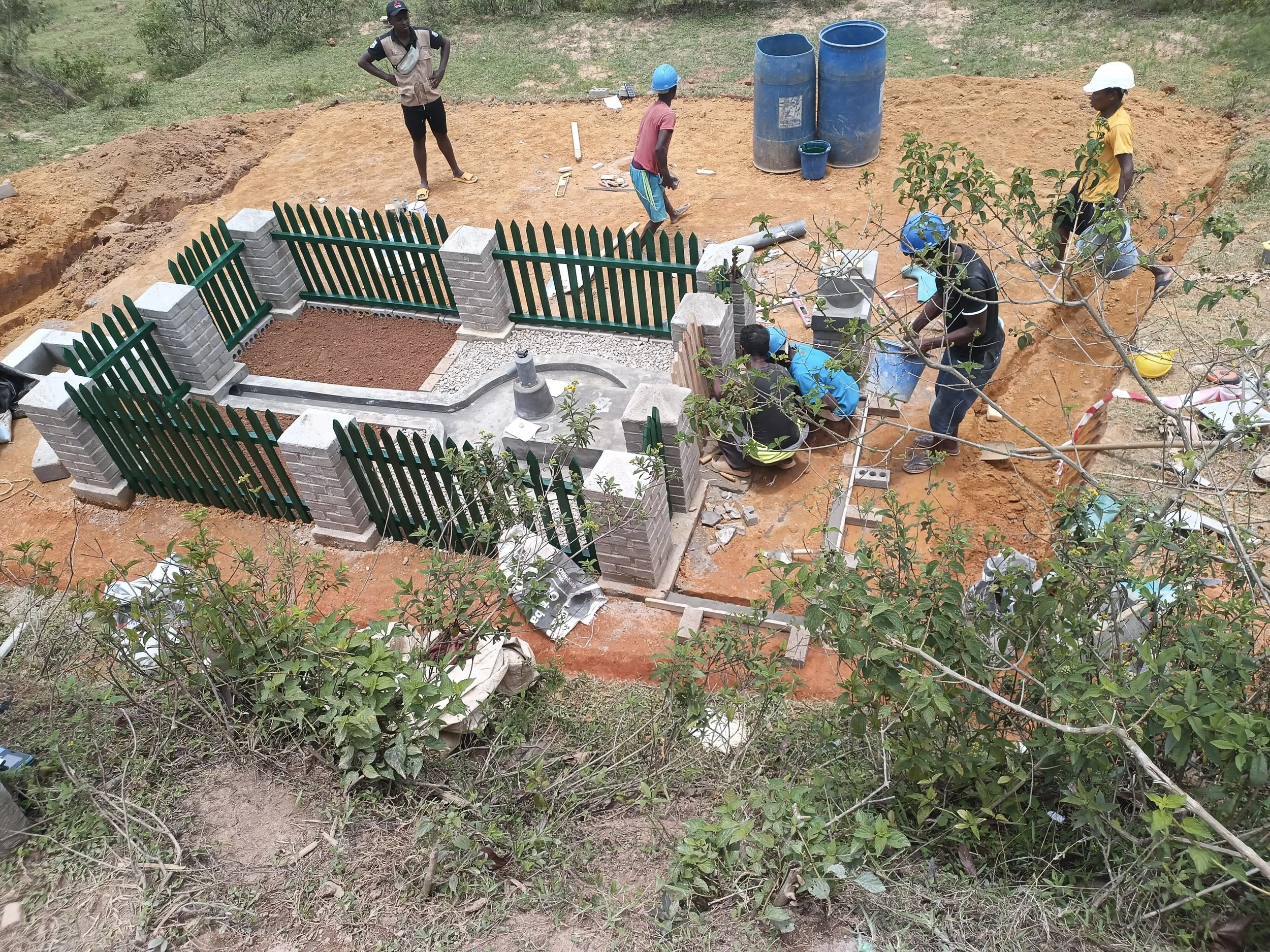
We delivered drilling equipment and construction materials to the municipal centre on the 19th of November 2025. From there, the people of Tolongoa Nord organised the final stretch of the transport themselves, carrying pipes and equipment along narrow paths to the village and contributing thousands of buckets of water to flush the borehole whilst digging, 250 buckets of sand and 30 buckets of stone for the construction.
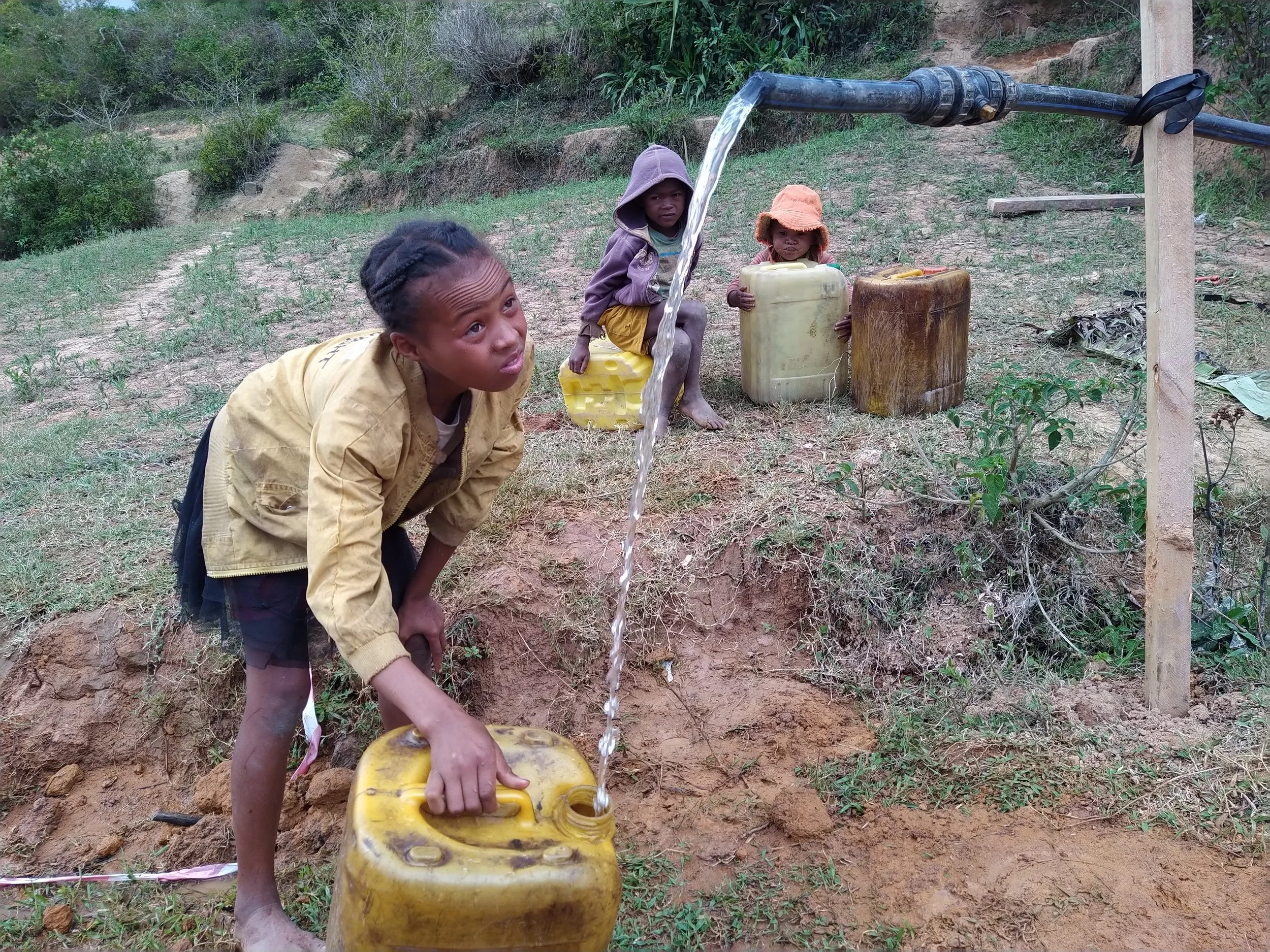
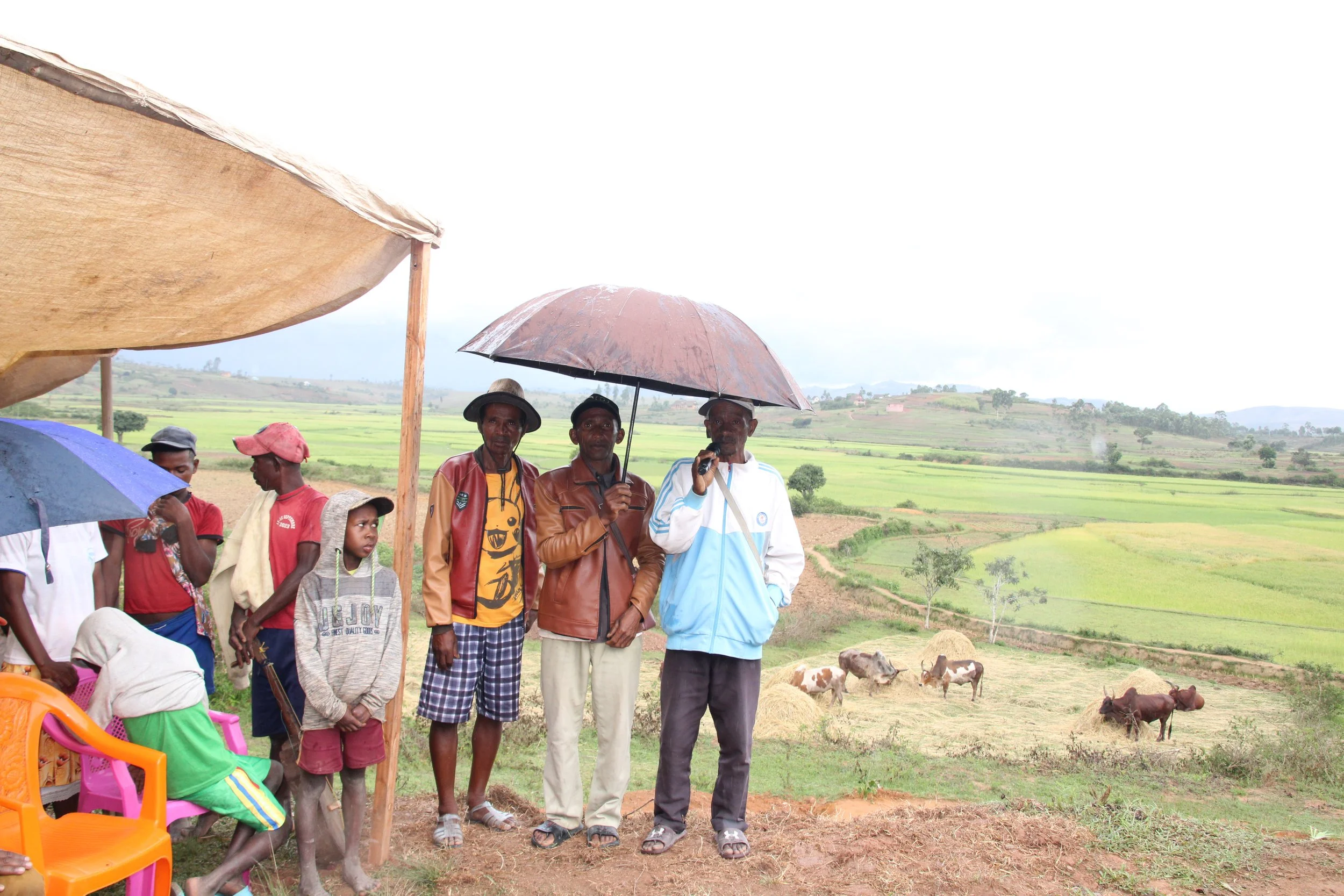
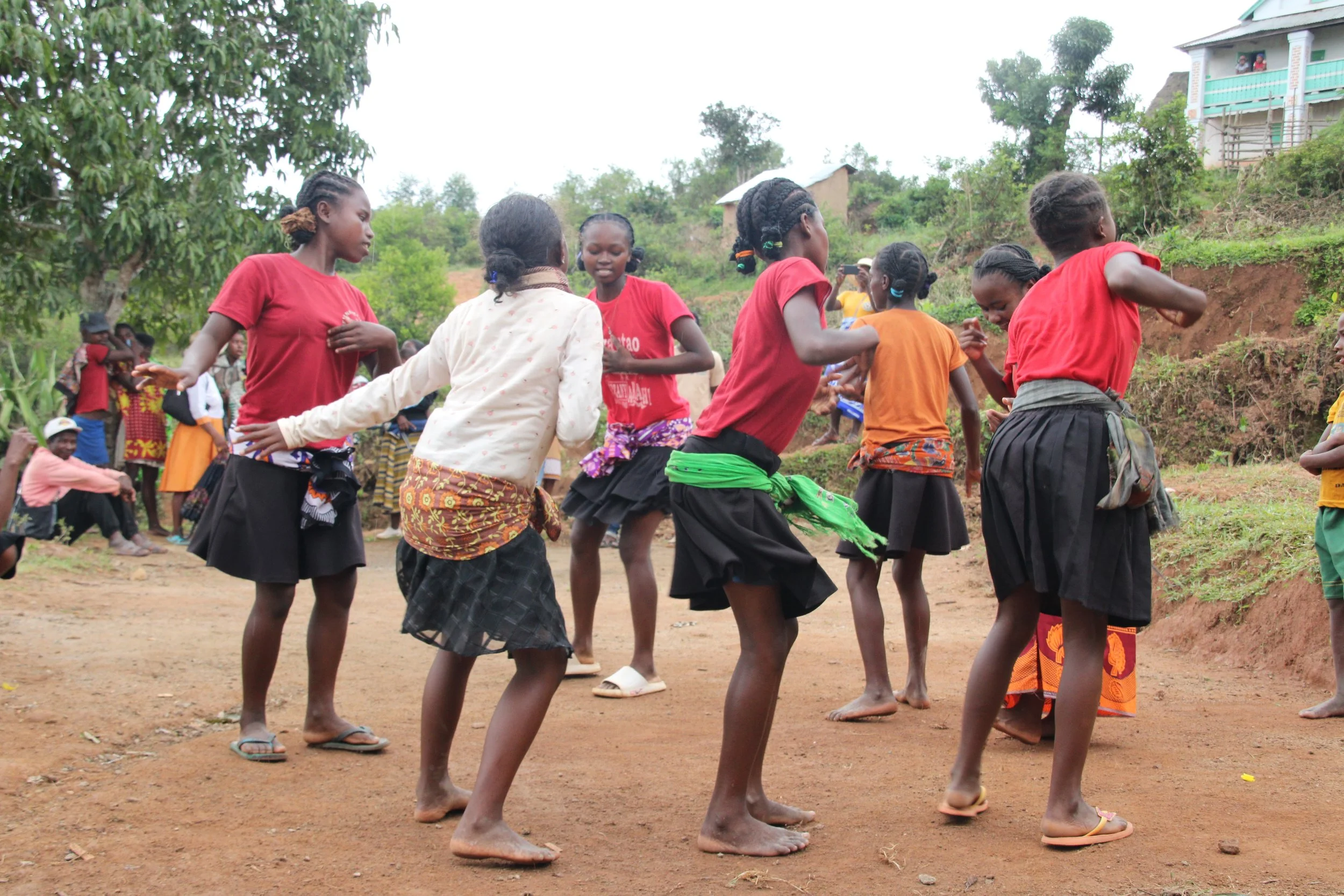
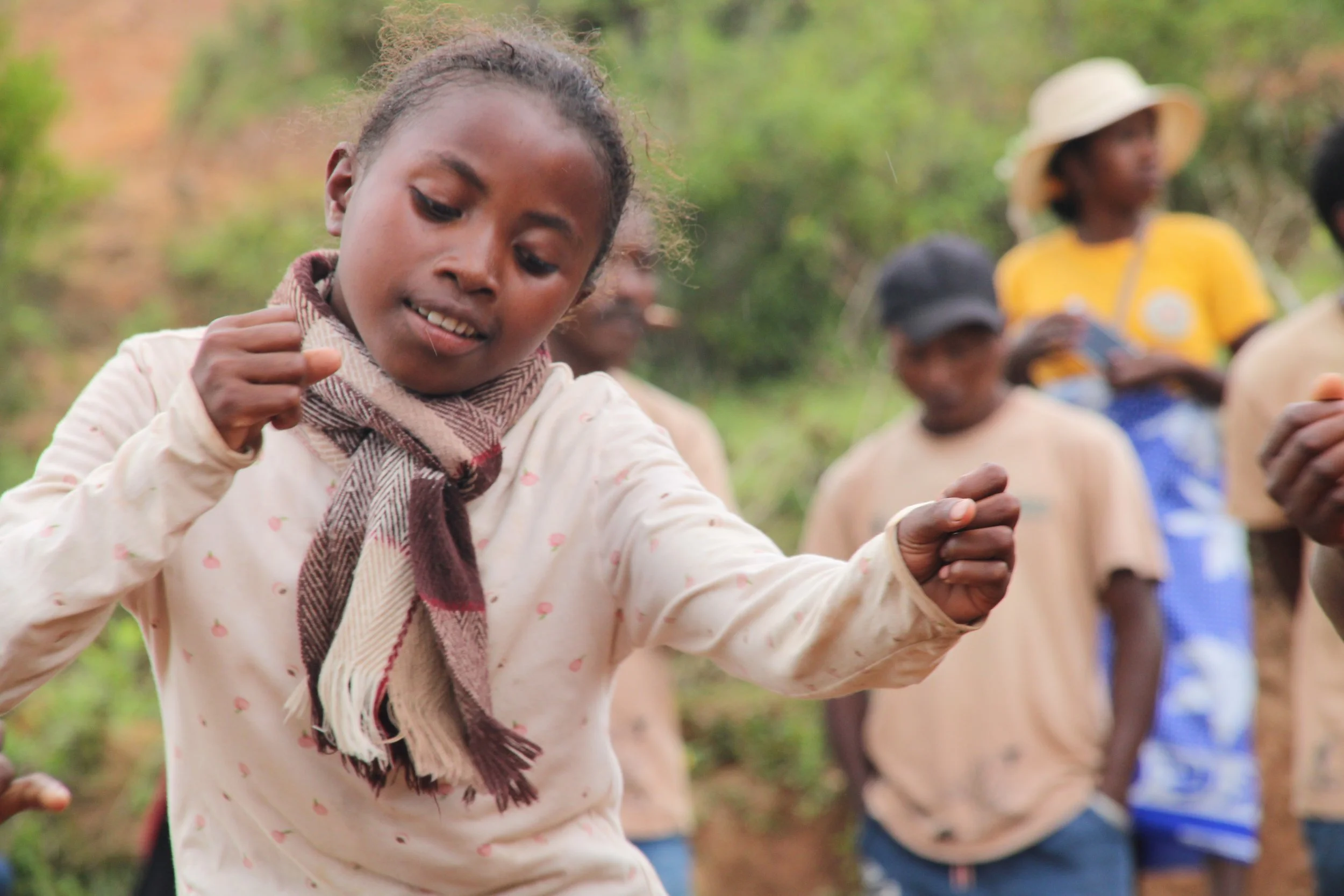
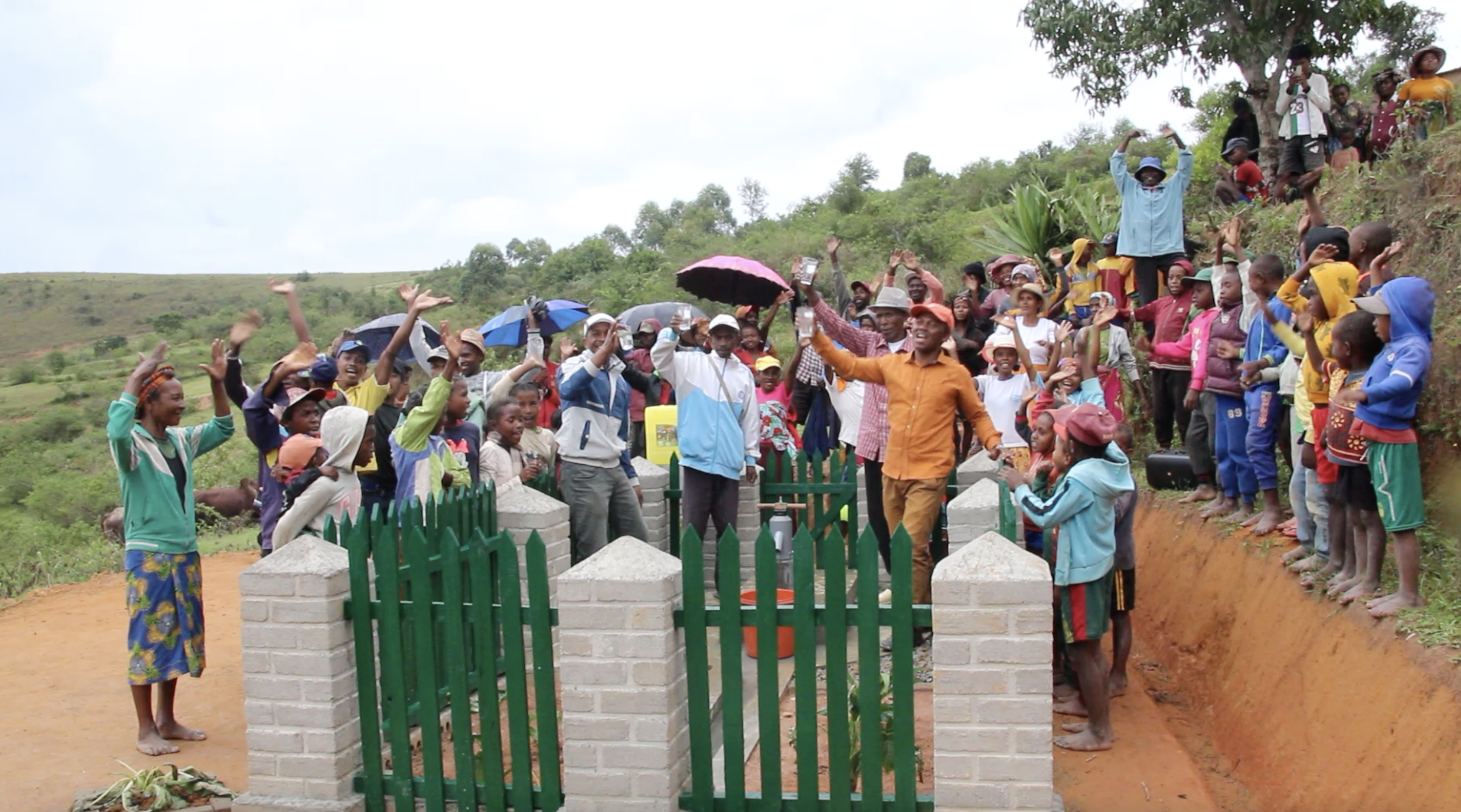
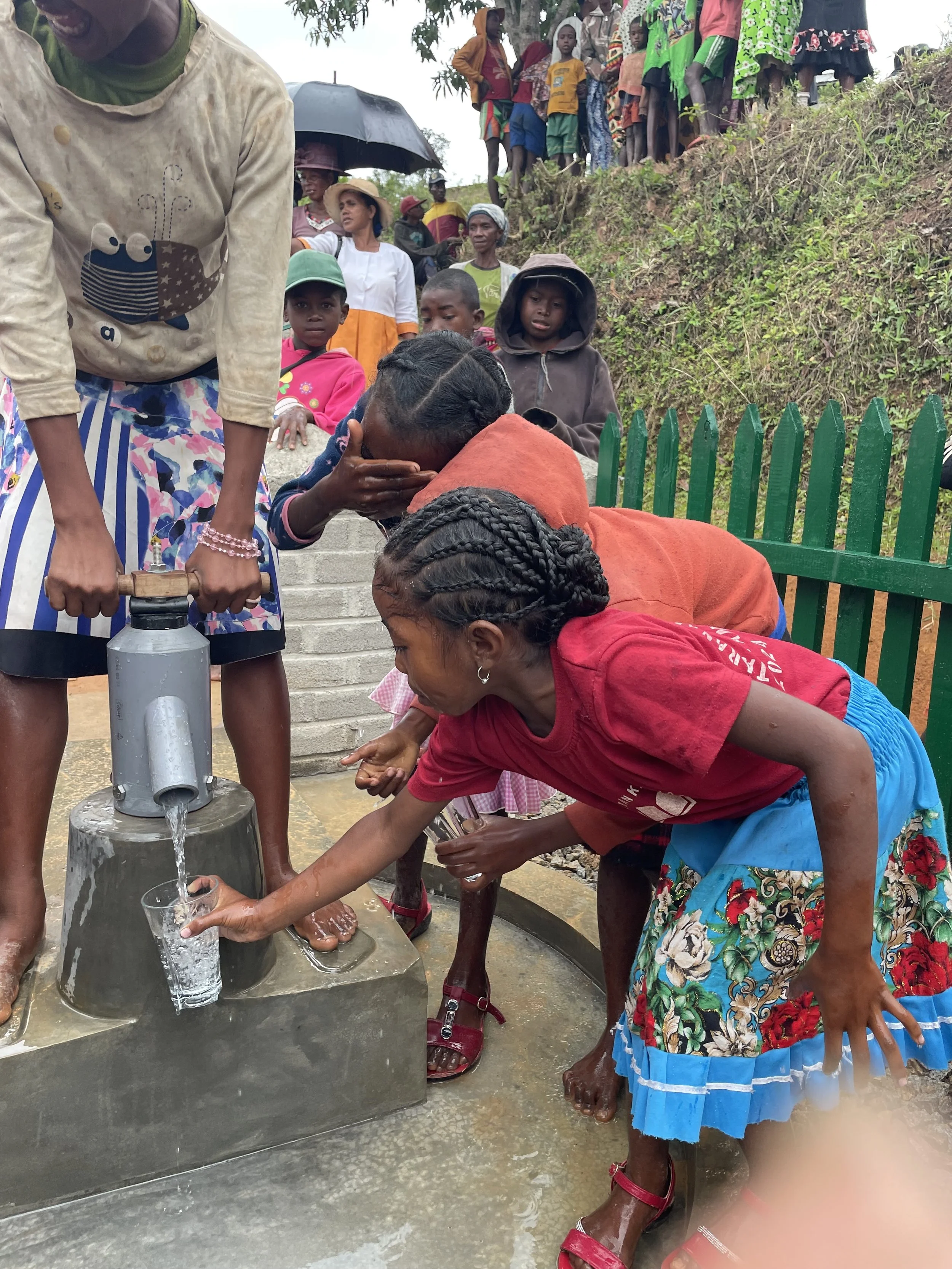
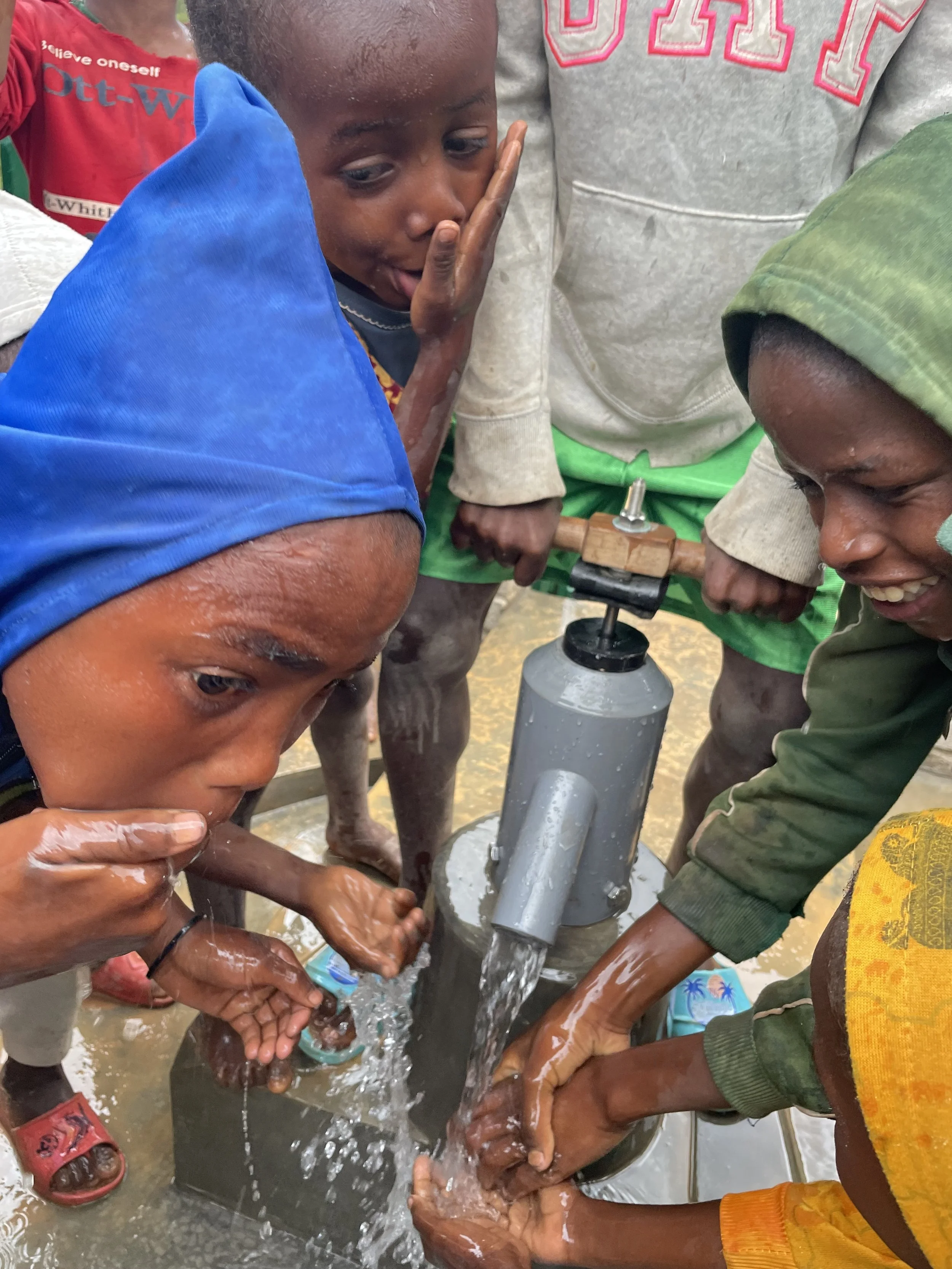
After a traditional blessing of the drilling site, construction began on November 21st and was completed on the 10th of December (including the re-roofing of a partially collapsed latrine). Even though the official inauguration took place on a rainy Tuesday morning, the weather did little to dampen the joy as everyone gathered around the new pump, playing music, performing celebratory dances and giving speeches.
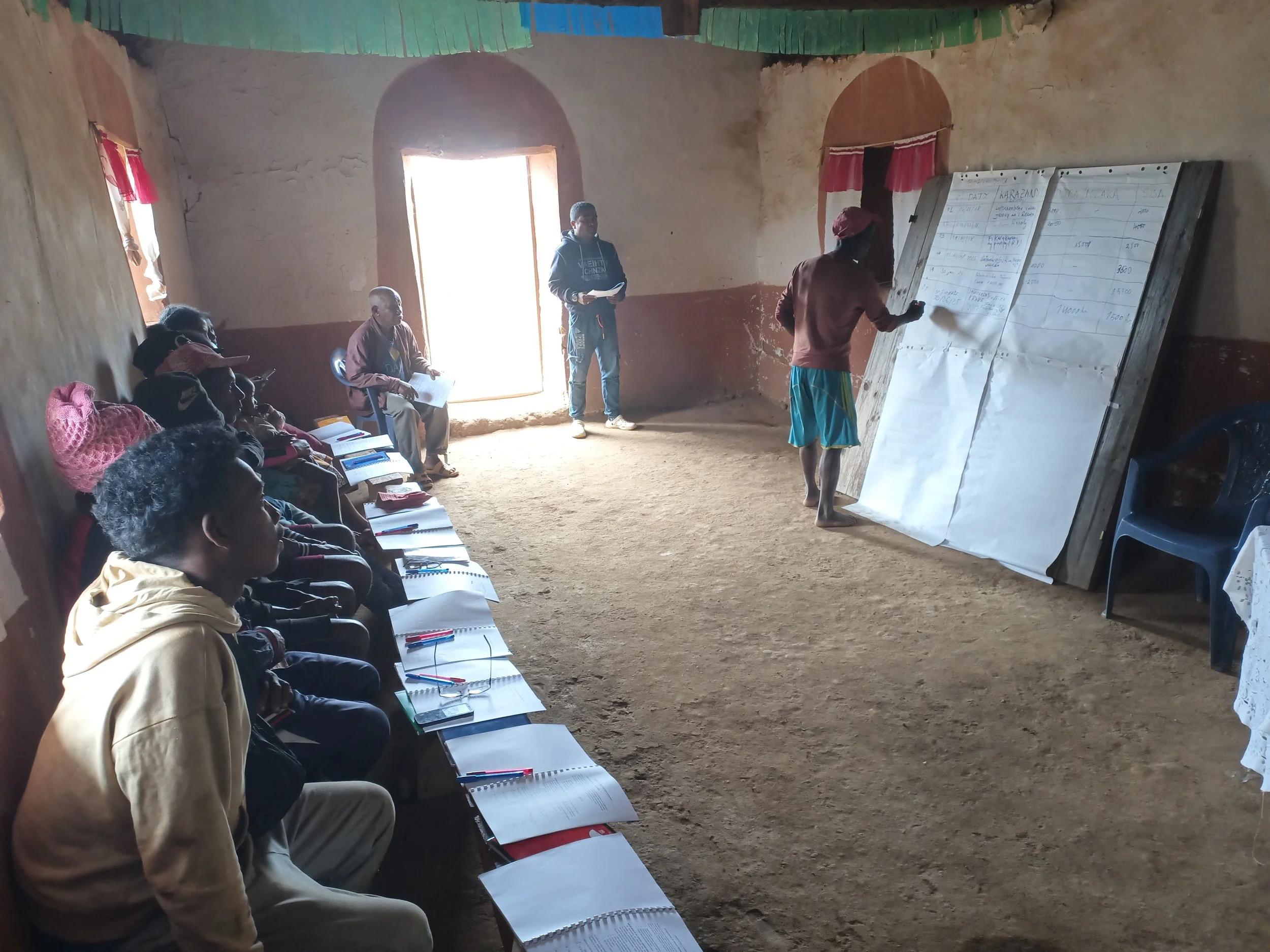
Before official handover, governance structures were already in place since, in October, a seven-member Water Maintenance Committee had been formally established and continued to receive training from our team throughout the construction process. Additionally, households agreed to contribute 1,000 ariary per month, to create a local maintenance fund for the new water source.
As always, we are on standby should major repairs be needed and conduct annual water testing to ensure the water remains safe.
Beyond the borehole
But Beyond Water does not end when construction is complete. Education and awareness raising, especially among young people, is central to the wider work.
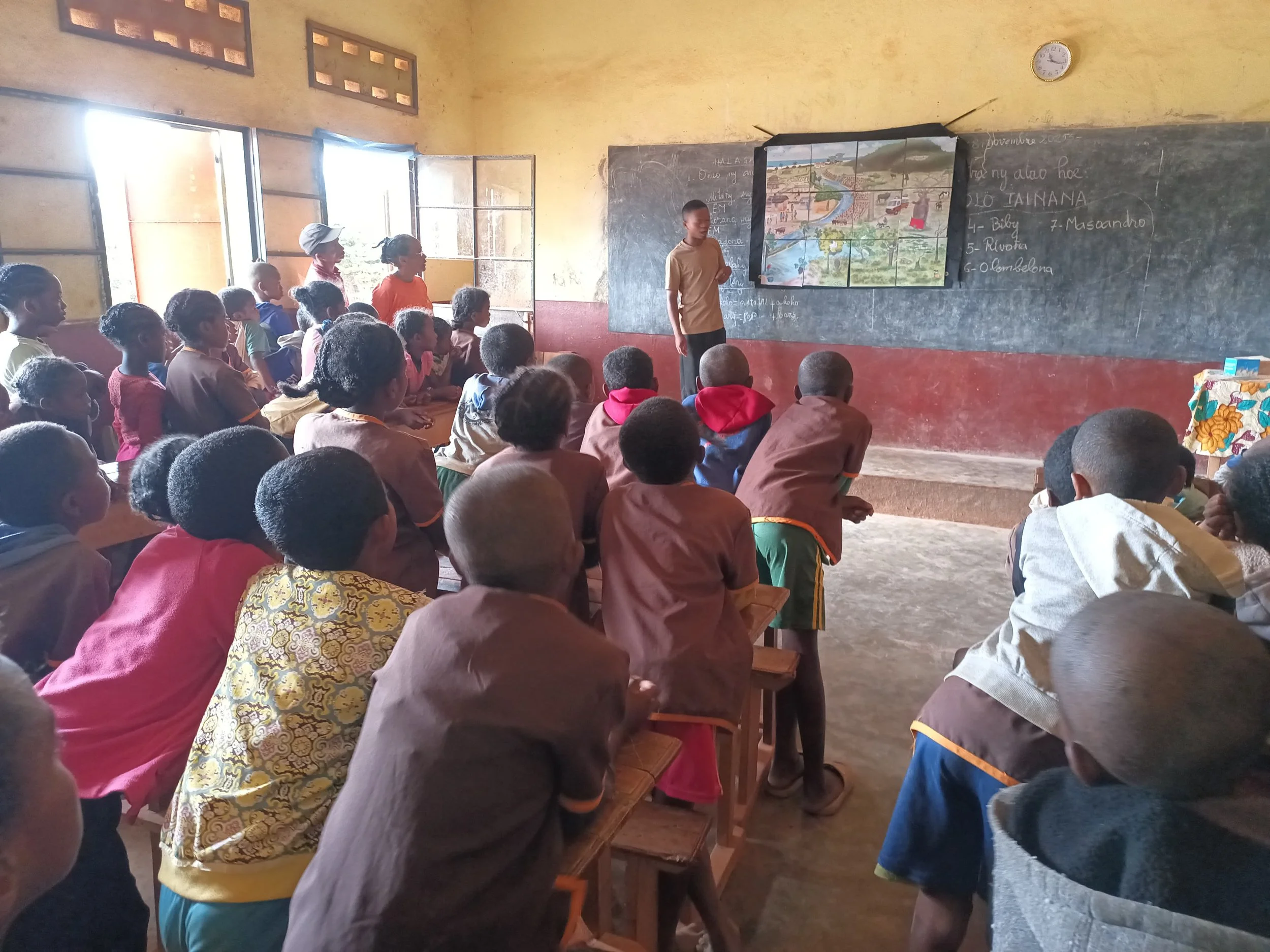
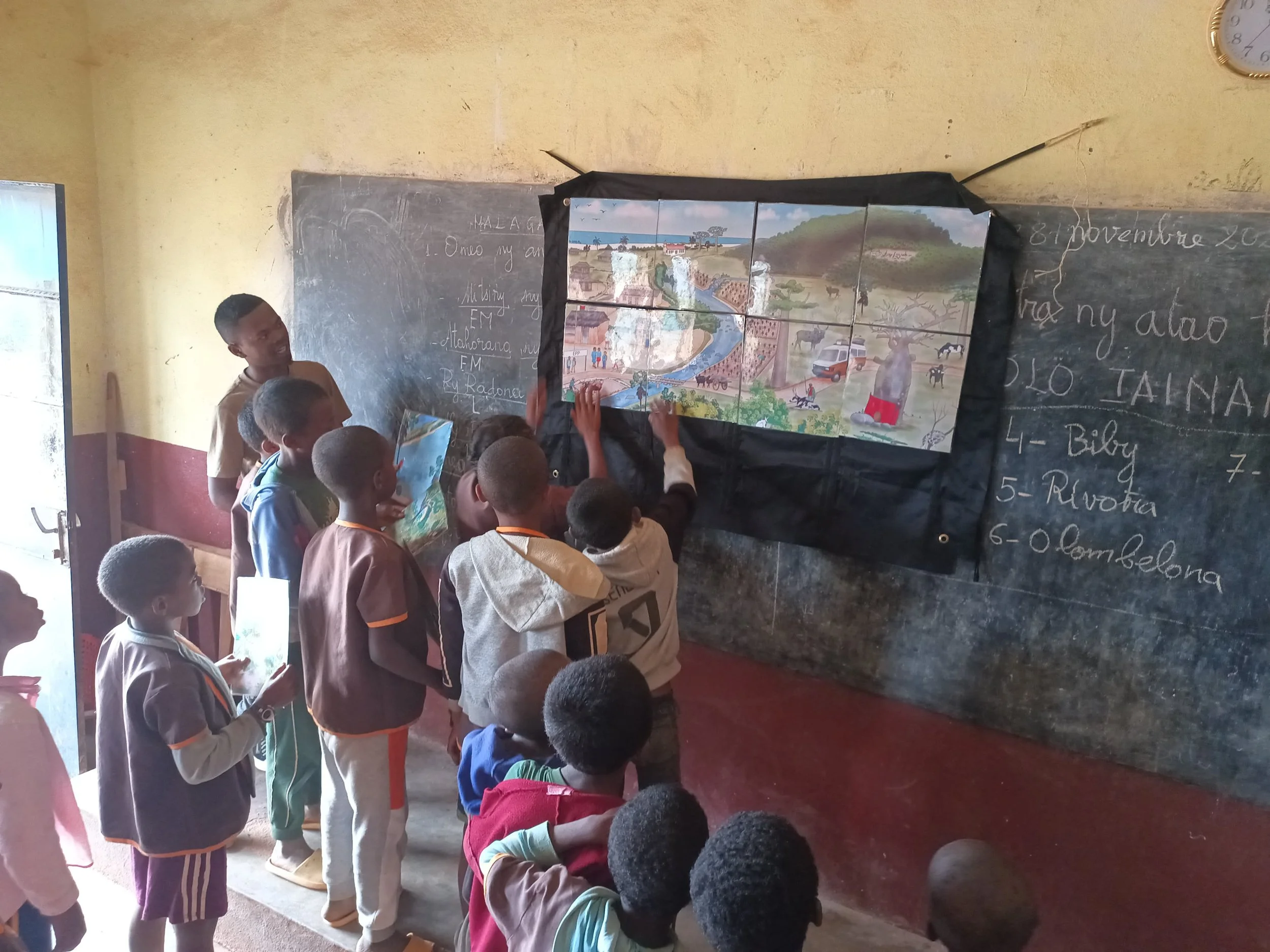
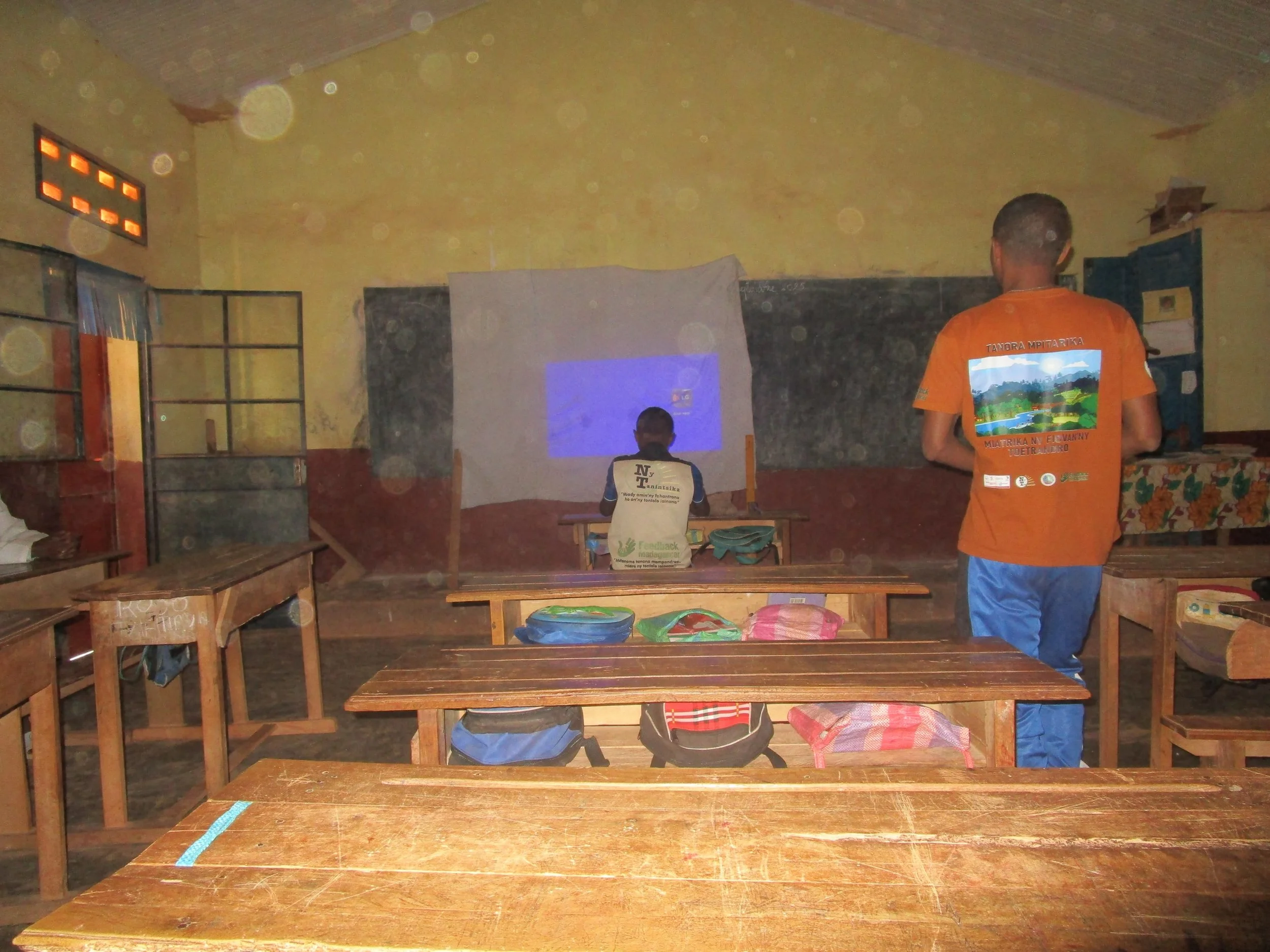
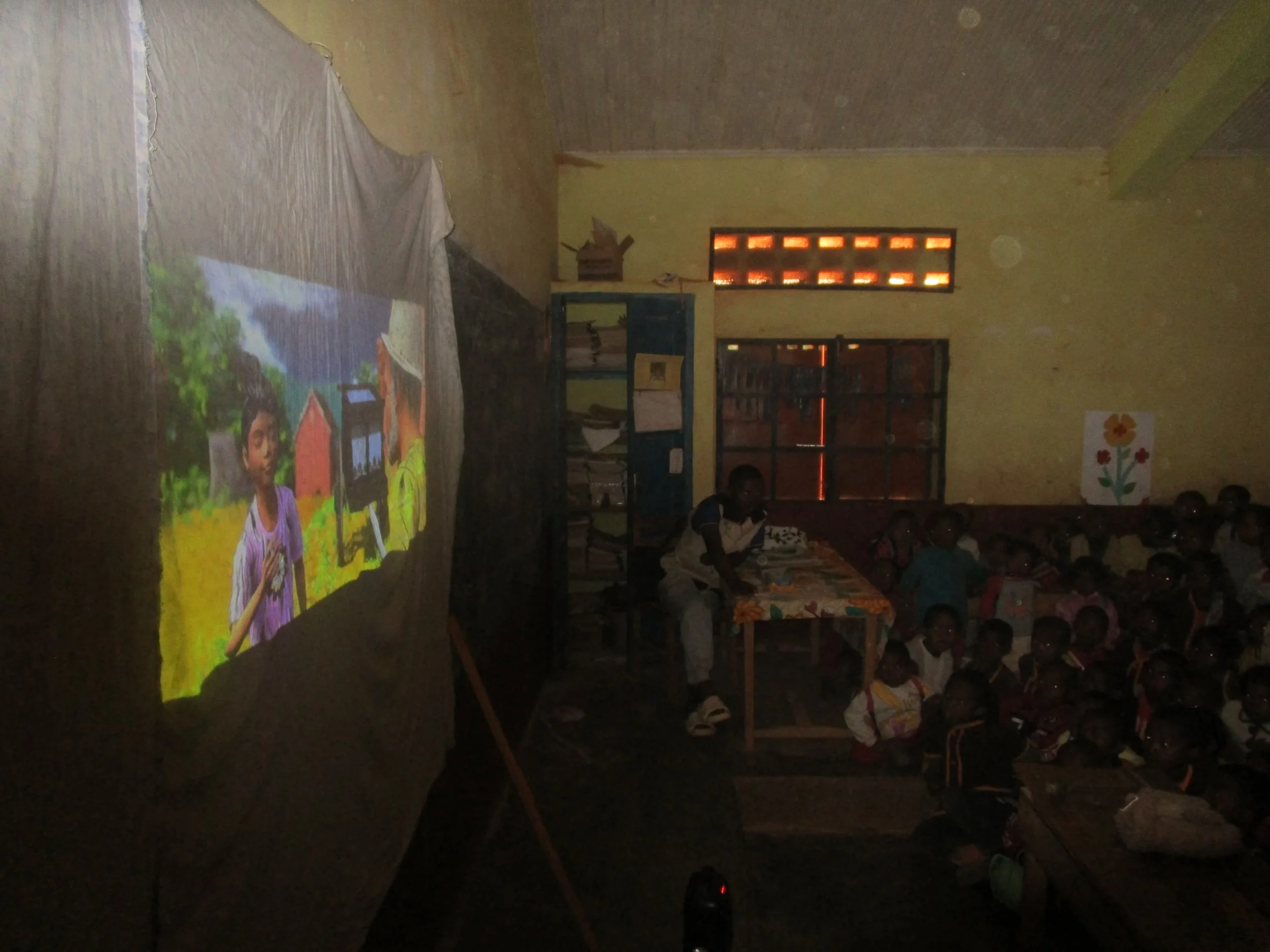
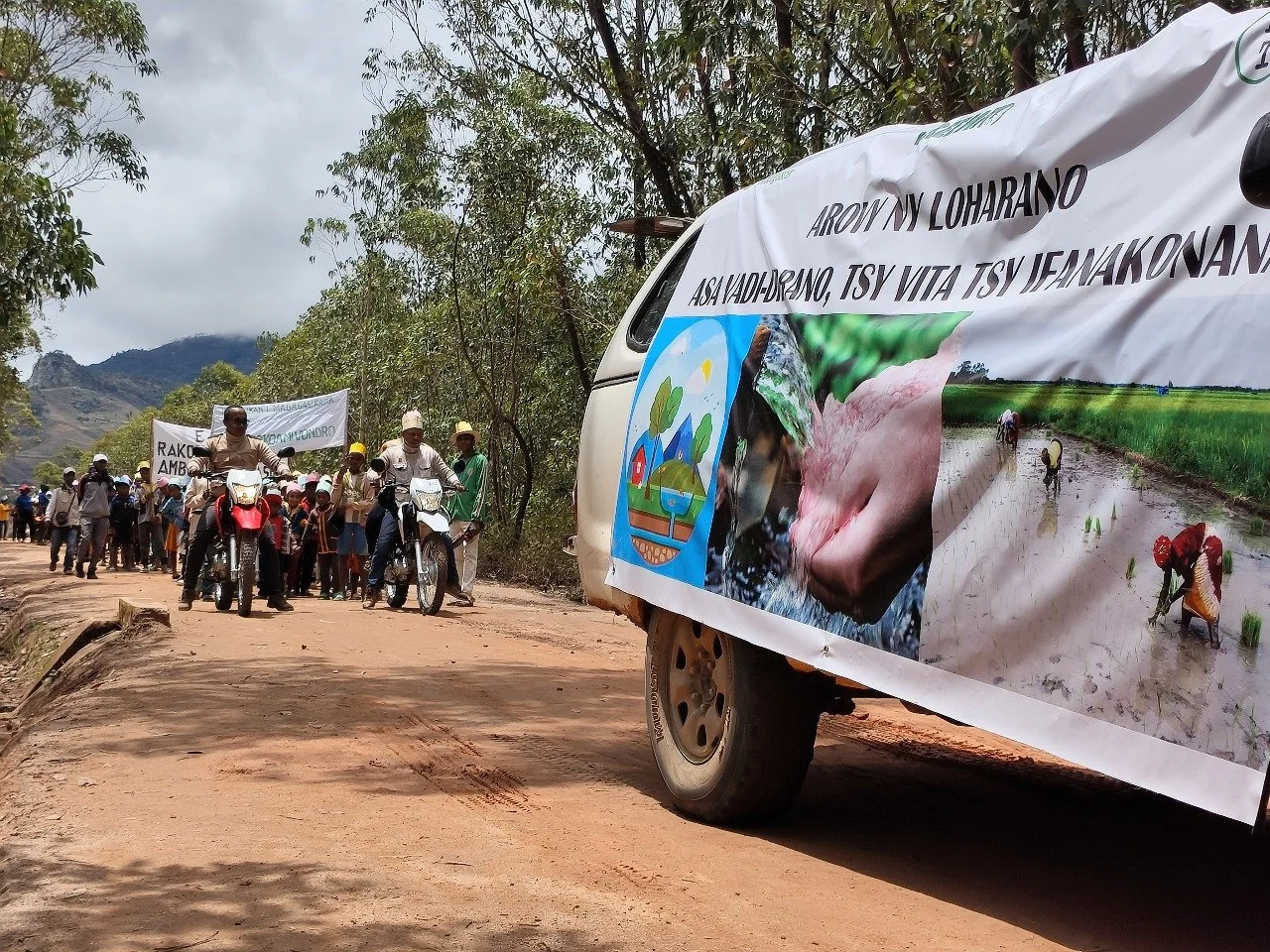
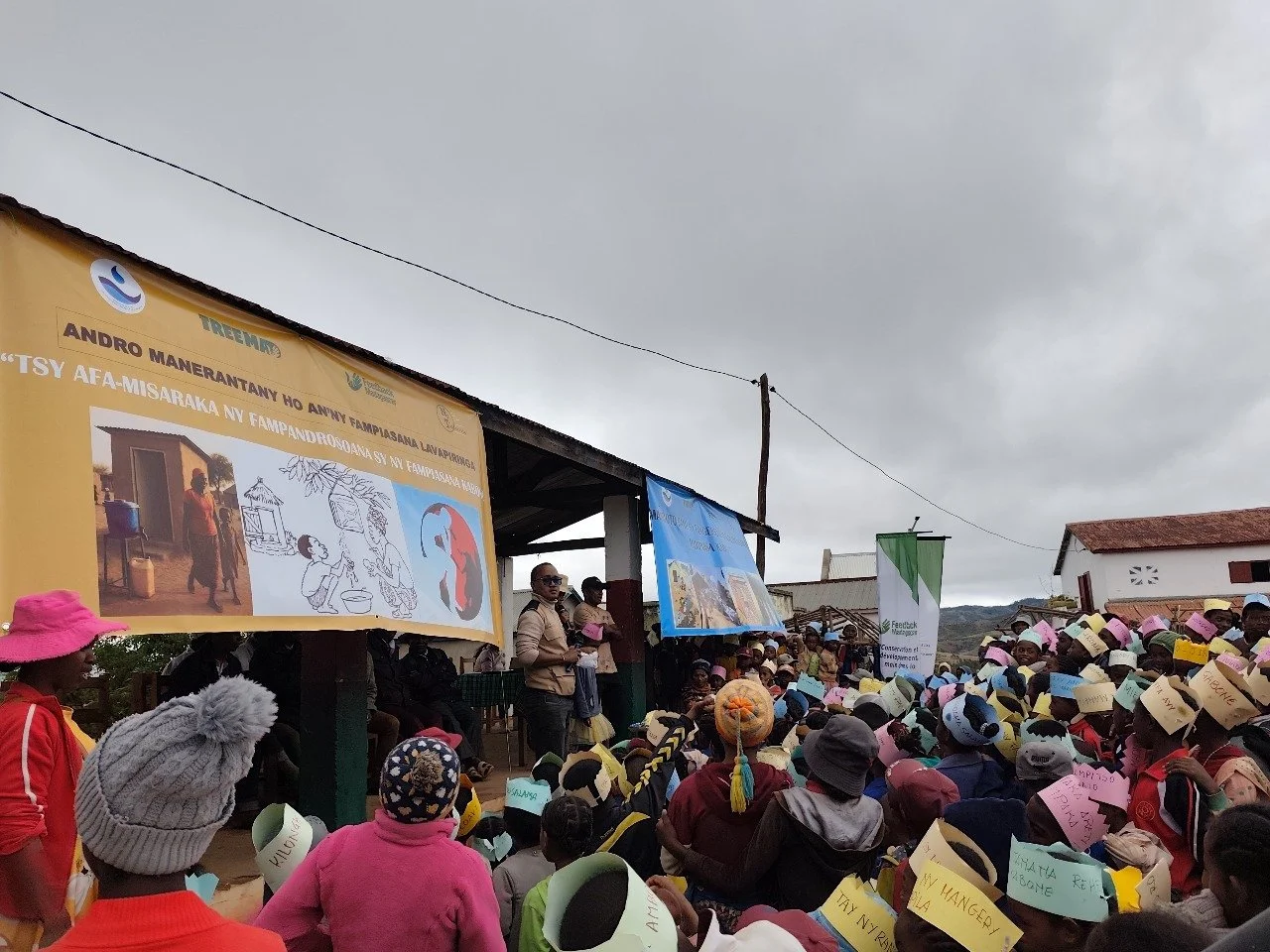
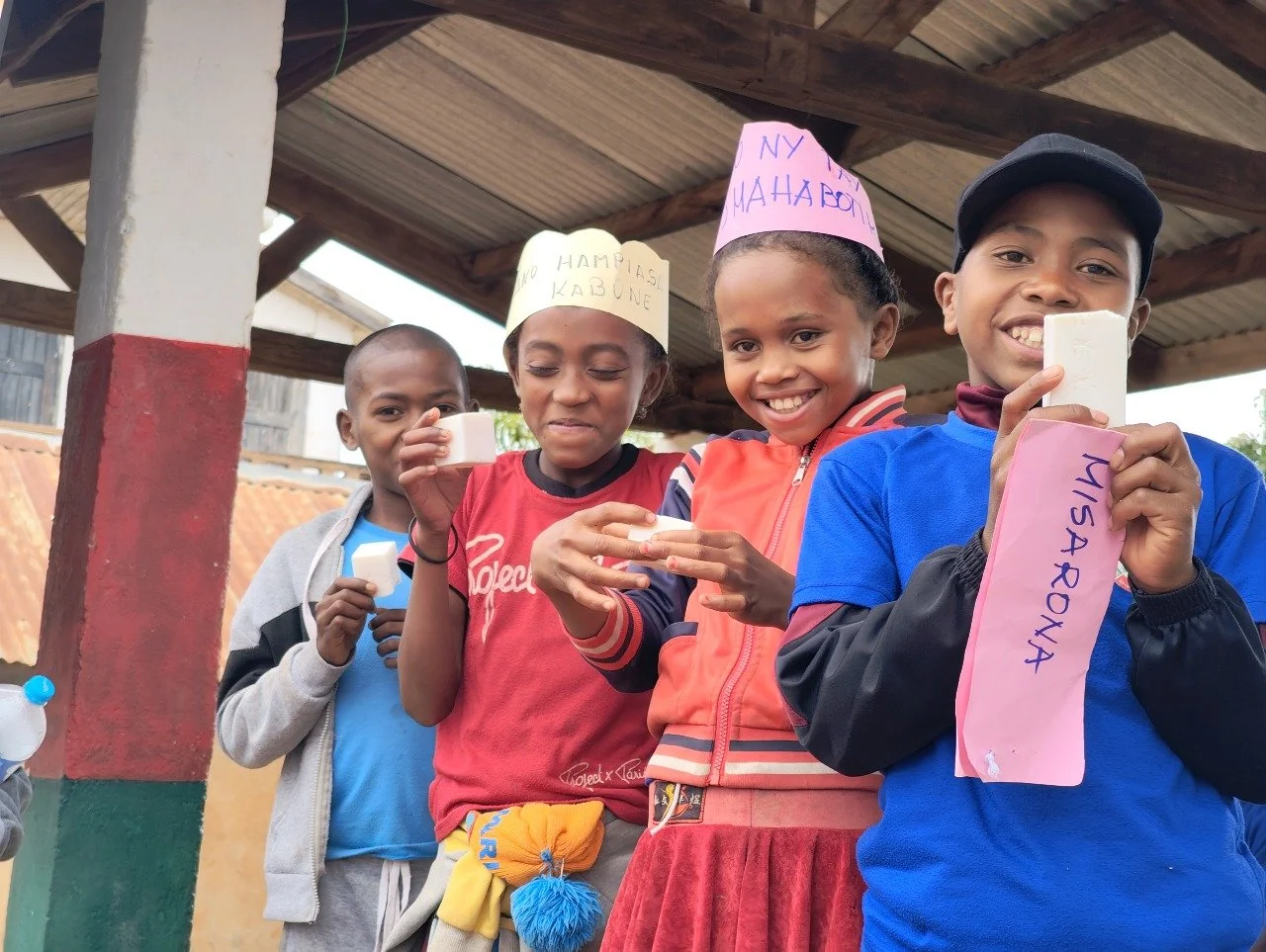
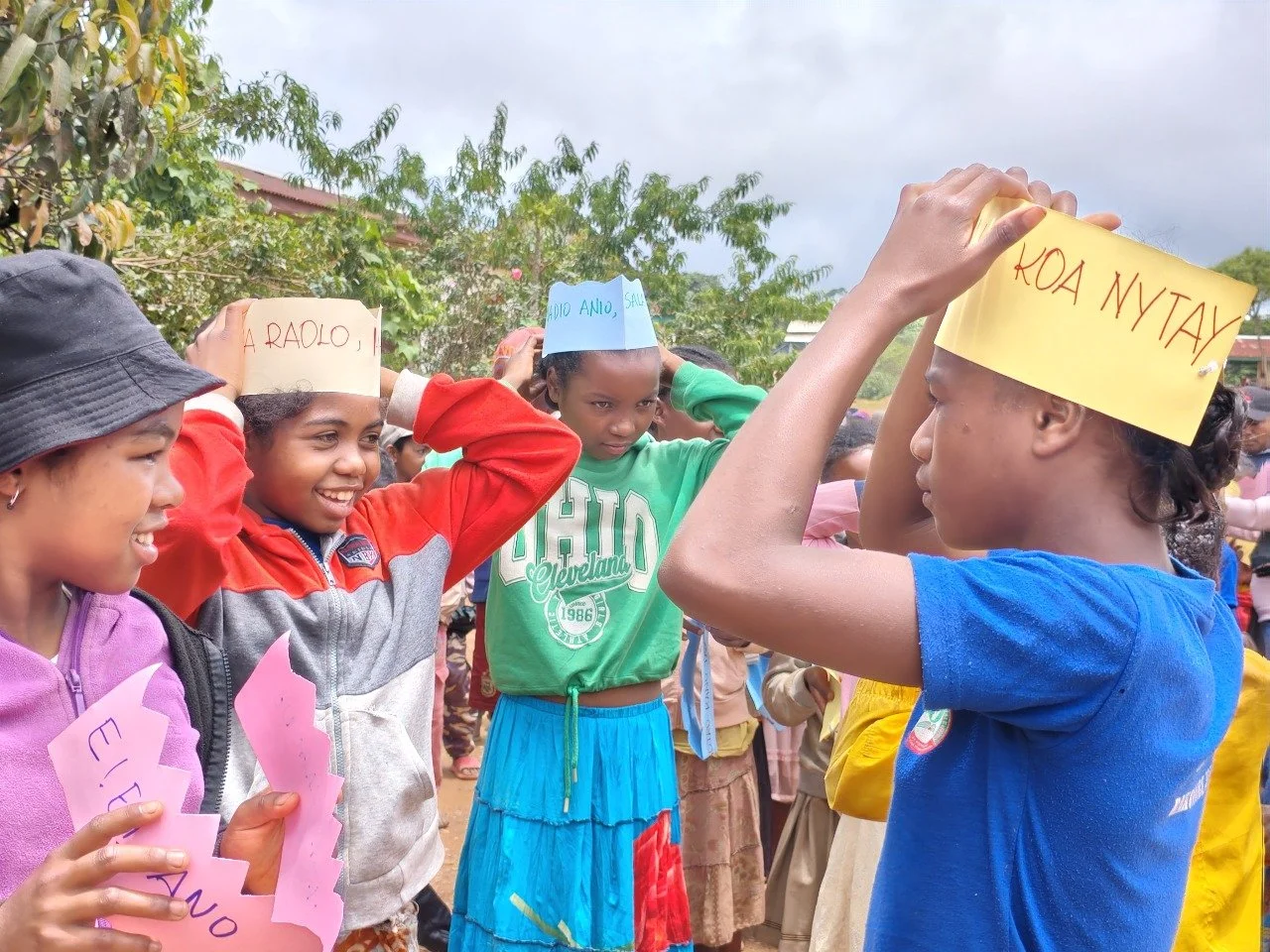
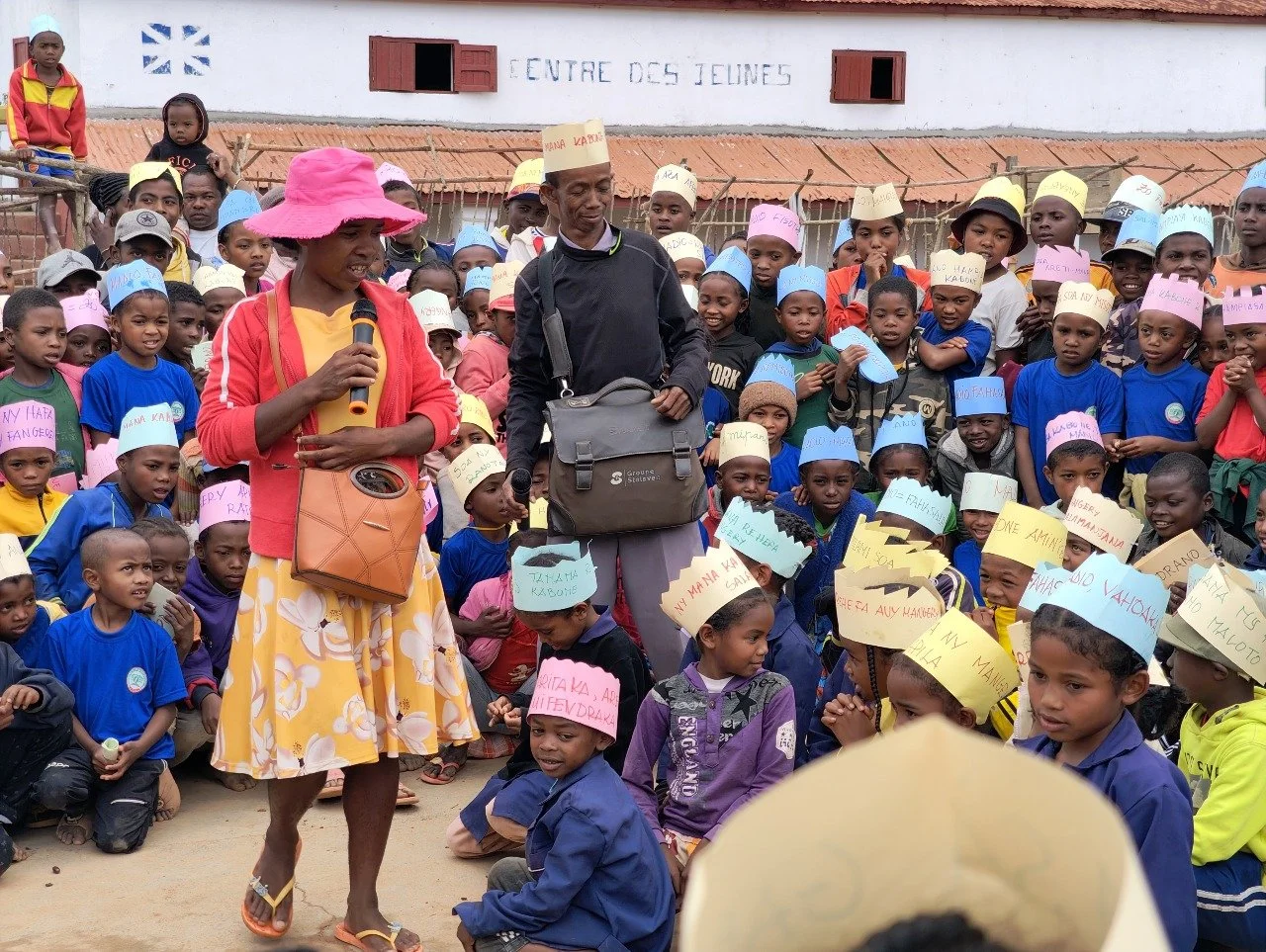
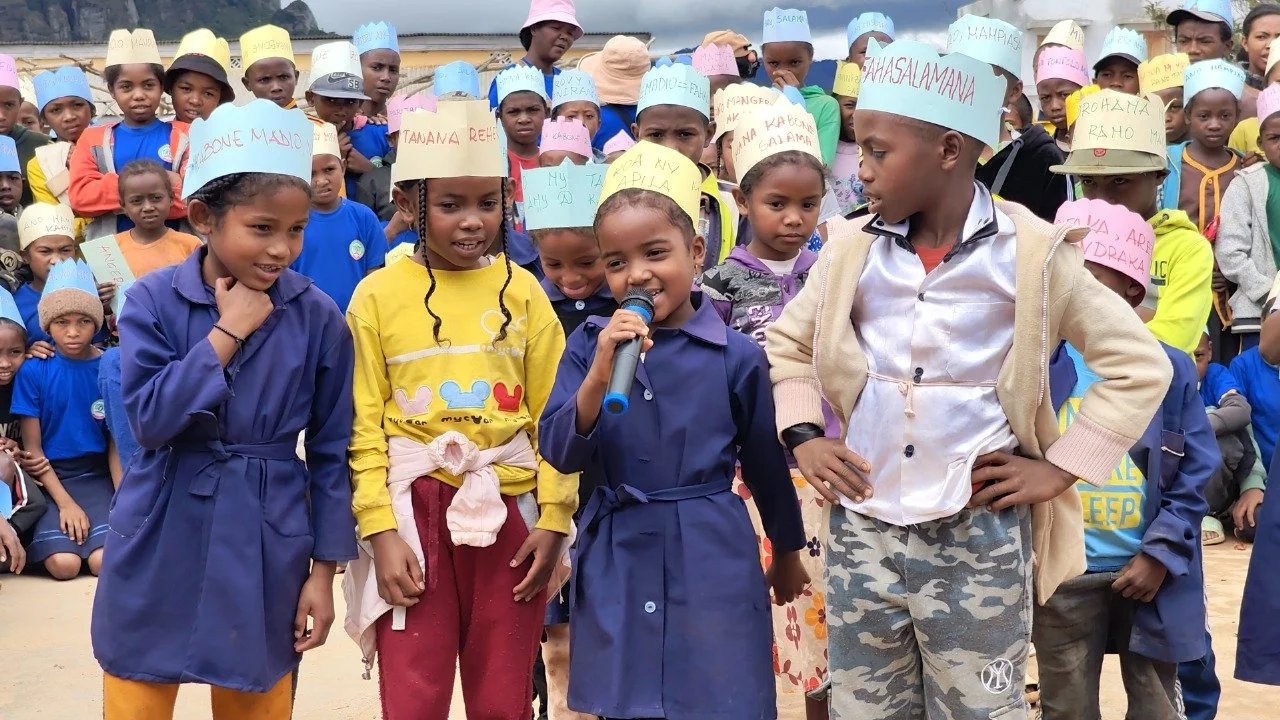
Health and sanitation training is part of every water project we carry out, but in November we went a step further and marked 'World Toilet Day’ with a large community carnival in Ambohimahamasina, including discussions, theatre, games and film screenings that explored the links between clean water, health and environmental care.
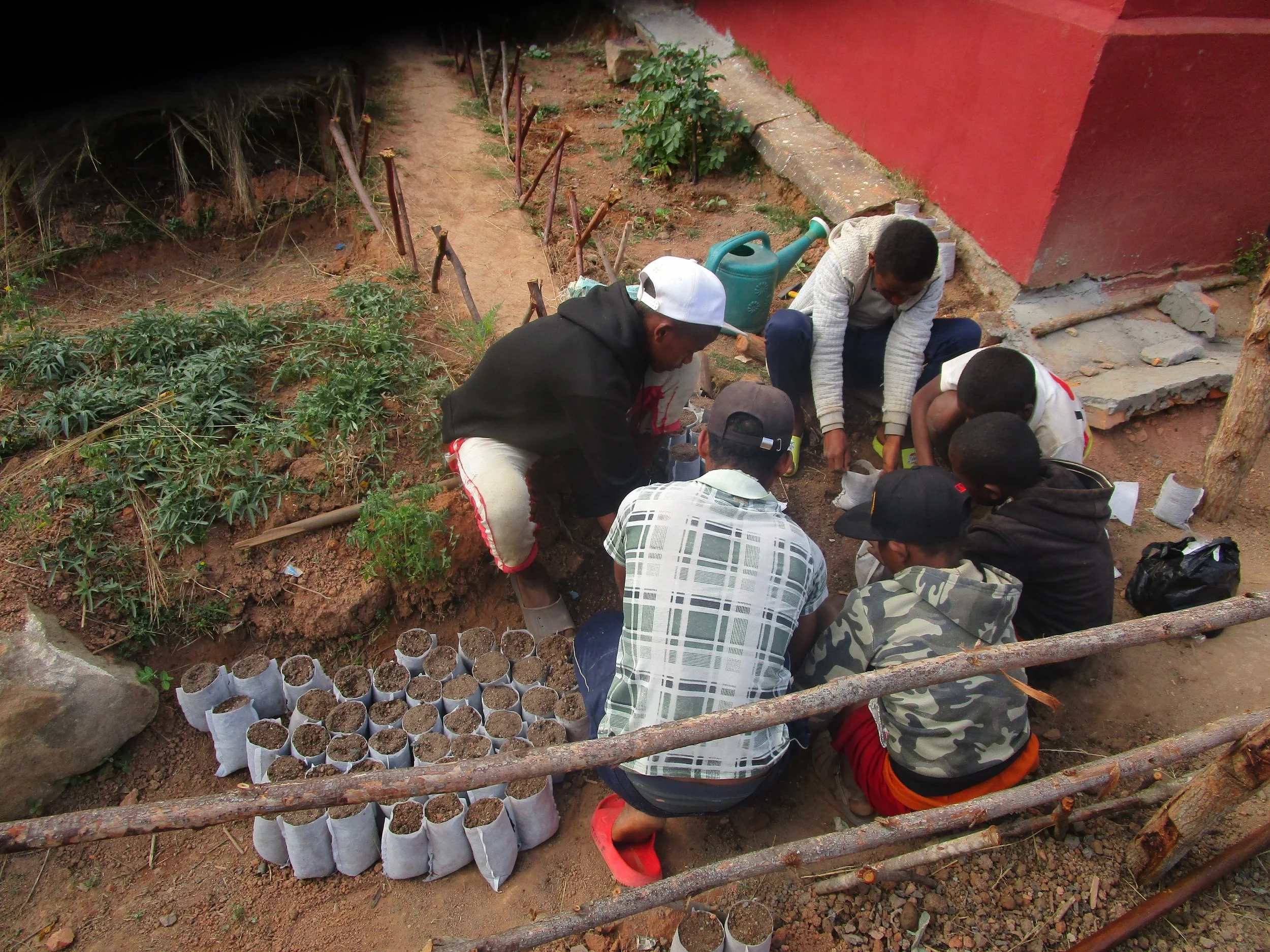
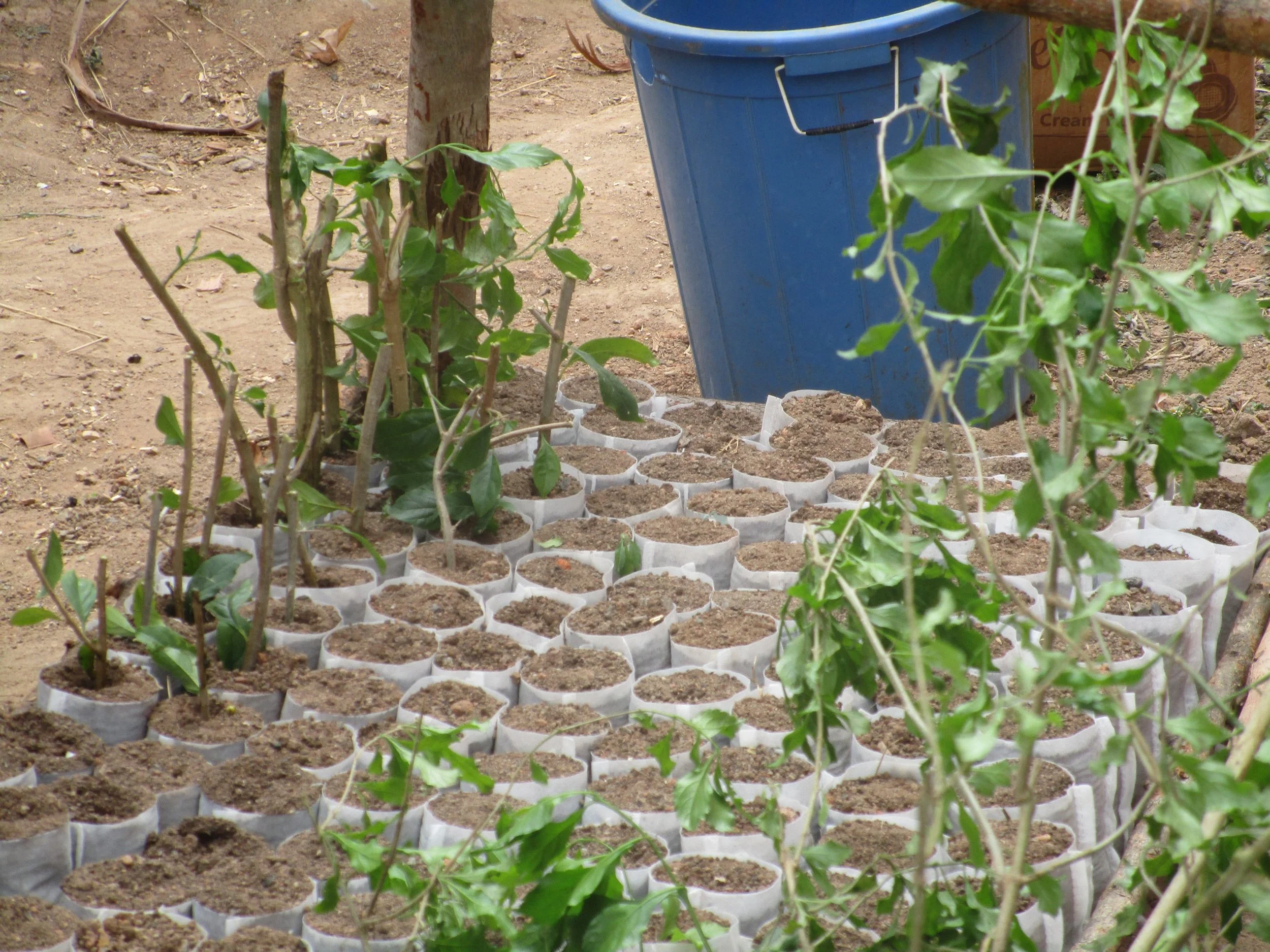
At the Ambohimahamasina Youth Centre (which we built in 2011), 200 seed pots have been prepared for seedlings that will later be planted as living fences protecting the new water sources. Meanwhile in schools such as EPP Sahamaina, environmental learning is being strengthened so that children grow up with a deeper understanding of how forests, soil and water systems depend on one another.
Beyond Water is also directly linked to our TreeMad programme. For each water system built, 1,000 trees are planted and grown around the main water catchments to stabilise soils and strengthen the water cycle. And at the end of 2025, communities in Sahandriaka — including the fokontany of Ambohipaha and Tokoamivondro — worked together with us to map protection zones around the key watersheds, regenerate critical perimeters, establish Watershed Management Committees and agree local by-laws (Dina) to prevent harmful land use as part of Beyond Water.
Adapting along the way
In Tolongoa Nord, installation coincided with rice cultivation season, when families were needed in their fields. As a result mobilisation became difficult.
Rather than pushing ahead regardless, we held another meeting and, together with the community, agreed that construction would take place in the mornings, allowing agricultural work to continue later in the day.
This responsiveness is central to how we work. If communities can’t freely say no, then their yes doesn’t mean much.
Tolongoa Nord is just one of over 90 villages in Ambohimahamasina and our work continues across the municipality. Feasibility studies are underway in several villages, and two additional boreholes in Itaolana and Ampitambe have already been drilled and are currently being connected to a wider solar-powered pipe system that will serve multiple villages where hand-pumped boreholes aren’t feasible.
Beyond Water will open doors to so many new opportunities for health, conservation, education, human rights, livelihoods and agriculture.
Together with the people of Ambohimahamasina, we want to seize them all.
